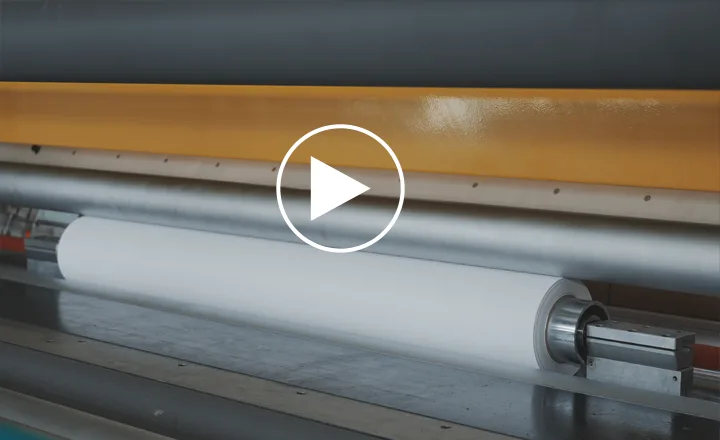
What is Roll to roll (R2R) processing?
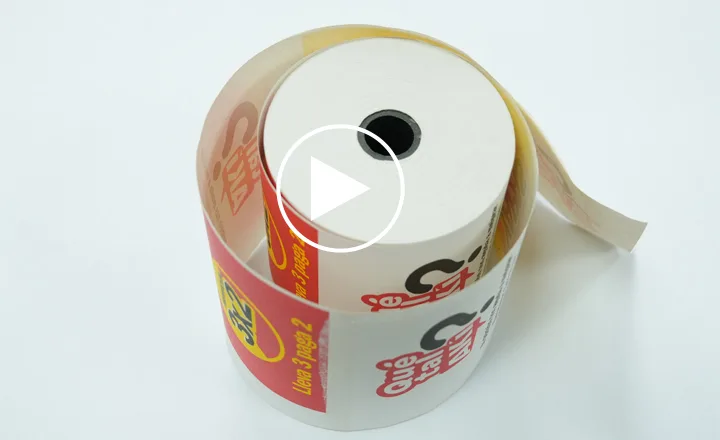
Roll-to-roll (R2R) processing is a continuous manufacturing method where flexible materials—such as paper, film, foil, or composites—are unwound from a large parent roll, processed through operations like slitting, coating, or printing, and then rewound into finished rolls. Unlike batch production, the entire process runs as a synchronized system, where material movement, tension control, and process stability determine the final product quality. In real production environments, R2R is not just about converting material—it is about maintaining consistent web behavior from start to finish to achieve high efficiency, repeatable quality, and scalable output.
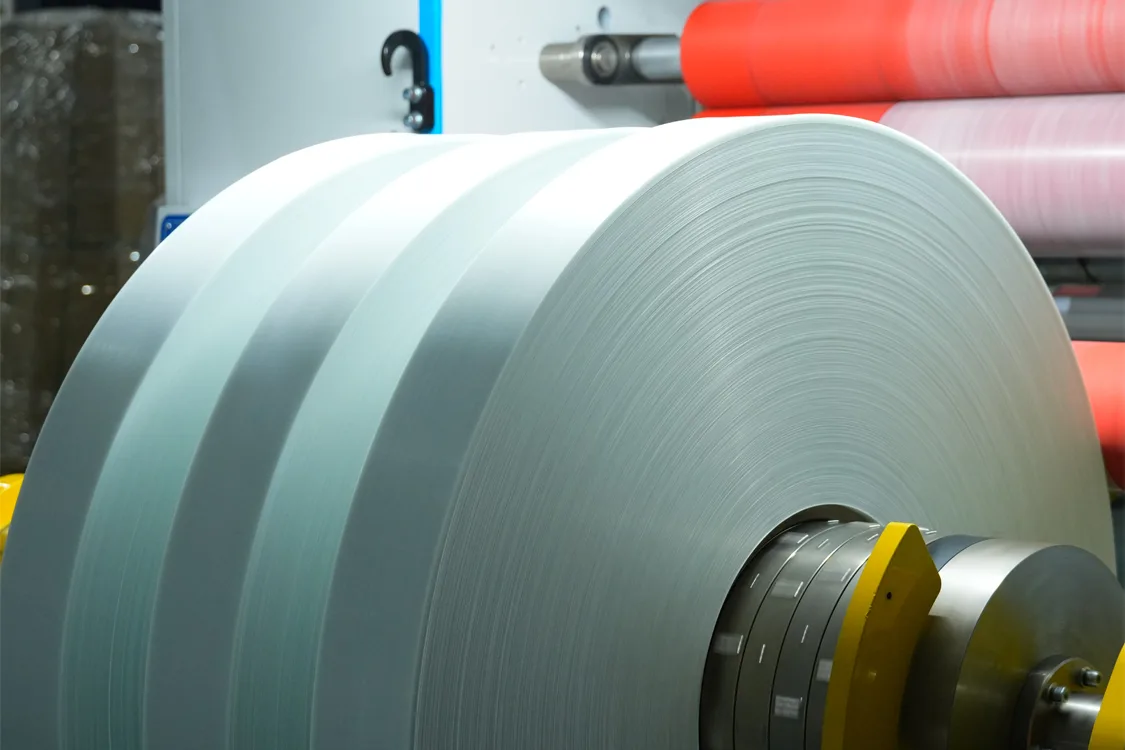
Core Converting Processes in Jota Machinery
A converting line is only as strong as its process control. At Jota Machinery, we design roll-to-roll systems as fully integrated workflows—where tension stability, slitting precision, and material behavior are managed as one continuous system. This approach allows converters to reduce waste, improve consistency, and run longer production cycles with confidence. Built from hands-on experience, our solutions are made to perform not just in theory, but in real factory conditions.
Why choose us
01
Proven Production Stability
Consistent output matters more than peak speed. Our systems are designed to maintain stable tension, precise slitting, and repeatable roll quality across long production runs—reducing waste and ensuring reliable delivery to your customers.
02
EU Compliance & Material Safety
We understand European regulatory requirements, including REACH, RoHS, and BPA-related standards for thermal paper. Our solutions are built to support compliant production and smooth market access across EU regions.
03
Adaptability to Different Materials
From thermal paper to films, labels, and specialty substrates, our machines are engineered to handle material variation without constant recalibration—ensuring flexibility for changing orders and market demands.
04
Lower Total Cost of Ownership
Efficiency is not just about machine price. With optimized energy use, reduced material waste, and long service life, our systems help converters minimize operating costs over time—not just upfront investment.
05
Fast Support & Spare Parts Availability
Downtime is expensive. We provide responsive technical support, clear troubleshooting guidance, and reliable spare parts supply to keep your production running without interruption.
06
Field-Tested Experience, Not Theory
Our solutions are built from real production experience, not lab assumptions. We work closely with converters worldwide, applying practical knowledge to solve actual challenges in slitting, rewinding, and roll-to-roll processing.
Our converting capabilities
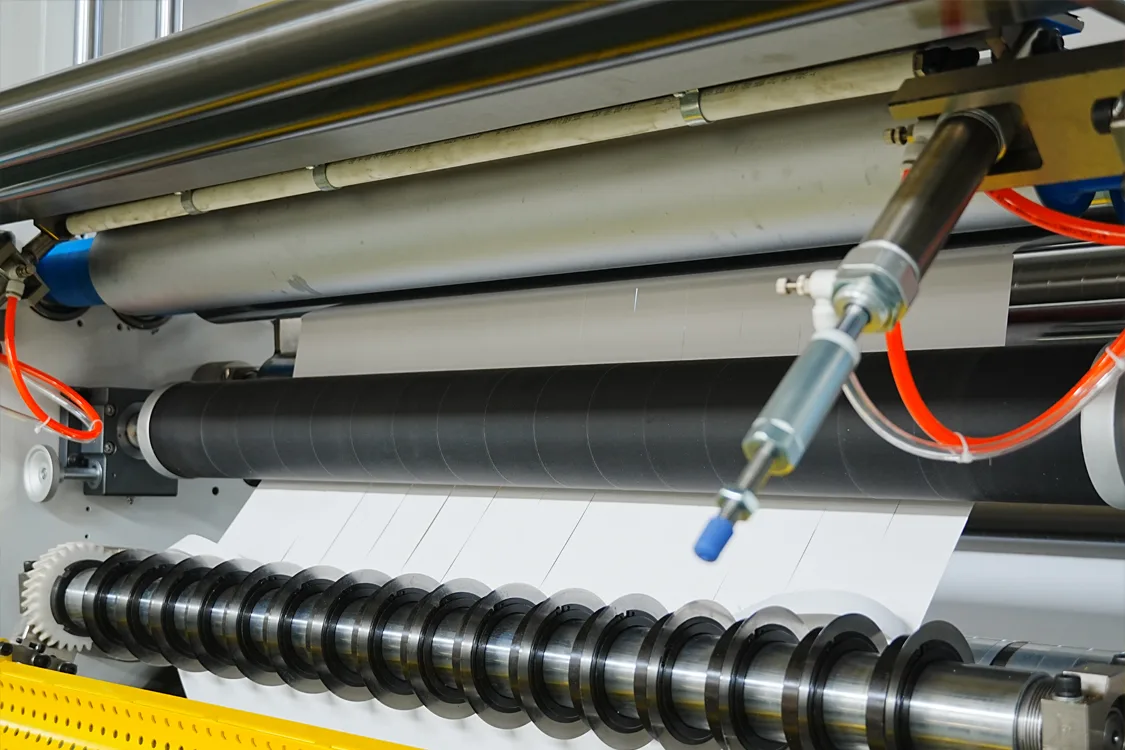
Slitting Rewinding
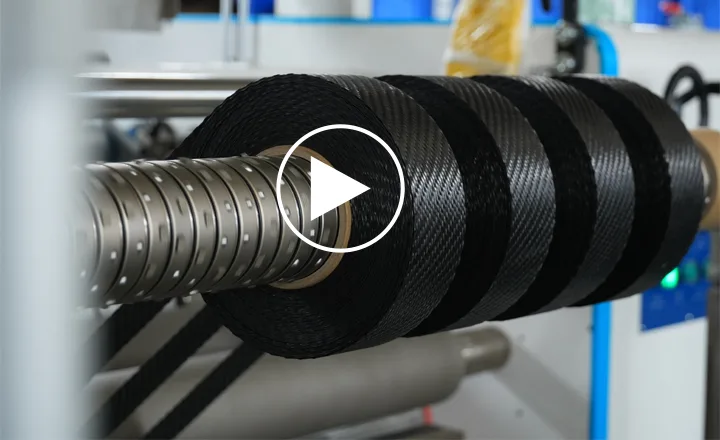
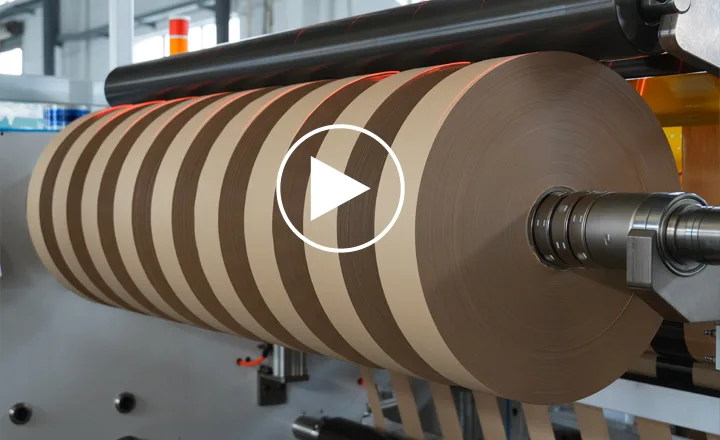
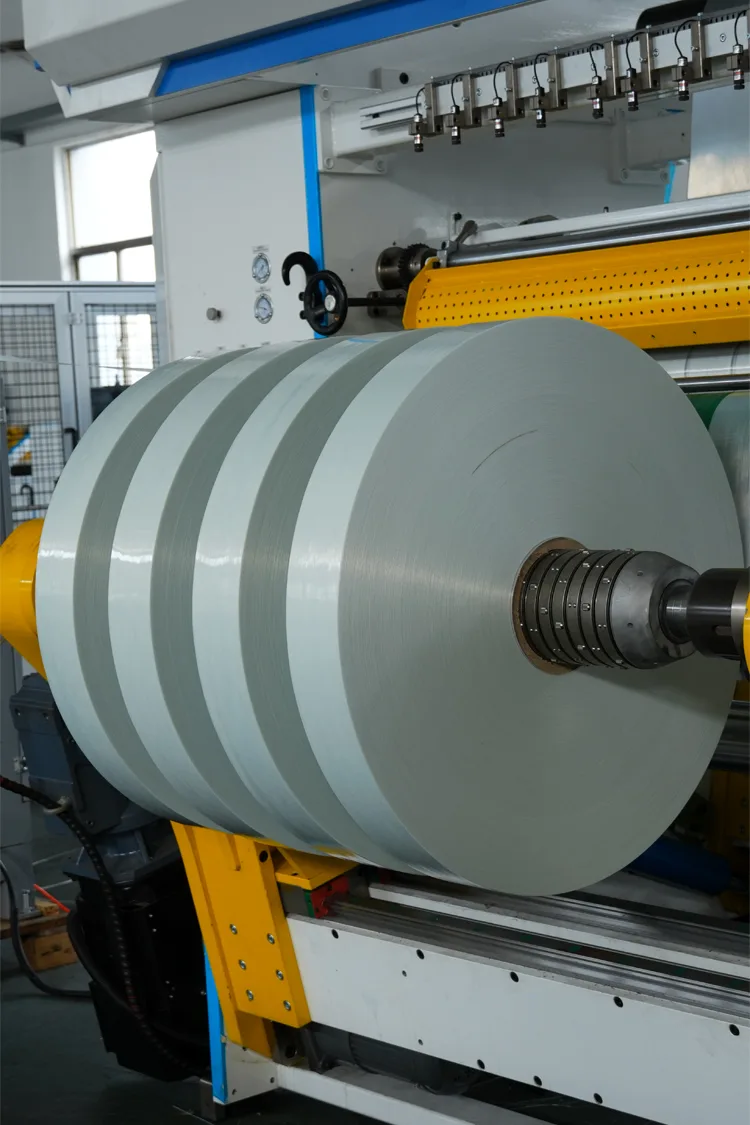
Slitting and rewinding is where product quality is truly defined. It’s not just about cutting material into narrower rolls—it’s about maintaining stable tension, clean edges, and consistent roll structure from start to finish. In real production, even small variations in web control or blade setup can lead to defects, waste, and customer complaints. A well-designed slitting system ensures repeatability, high-speed stability, and reliable output across different materials and operating conditions.
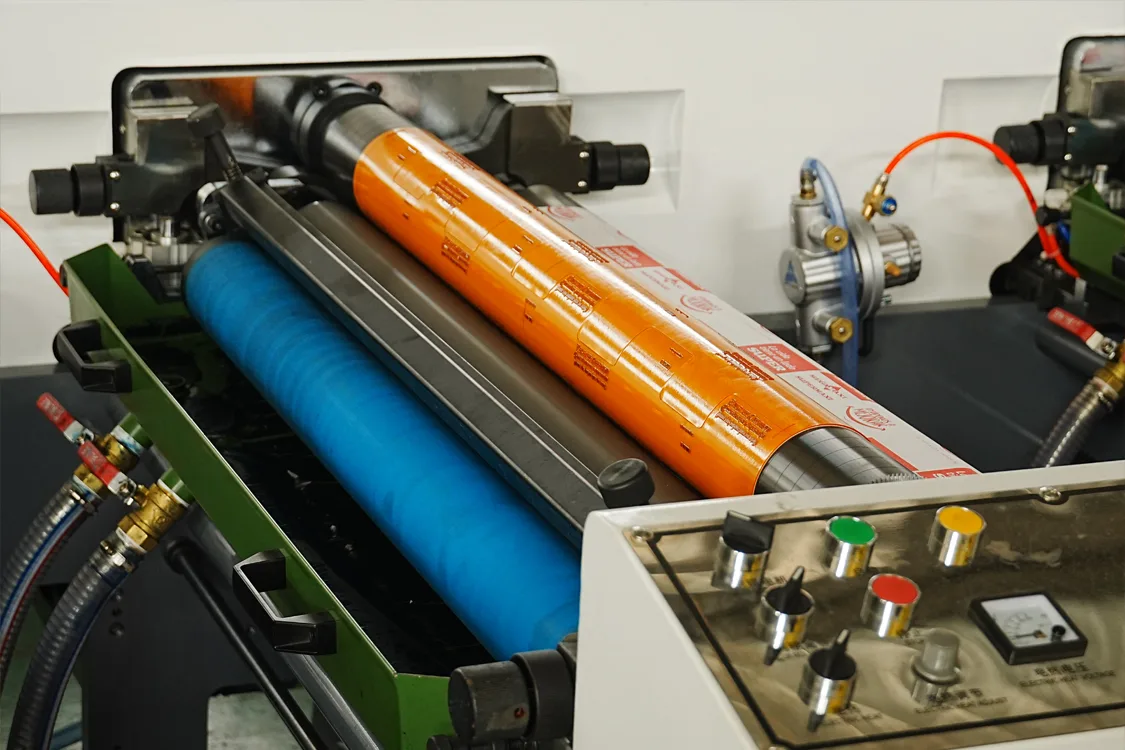
Flexo Printing
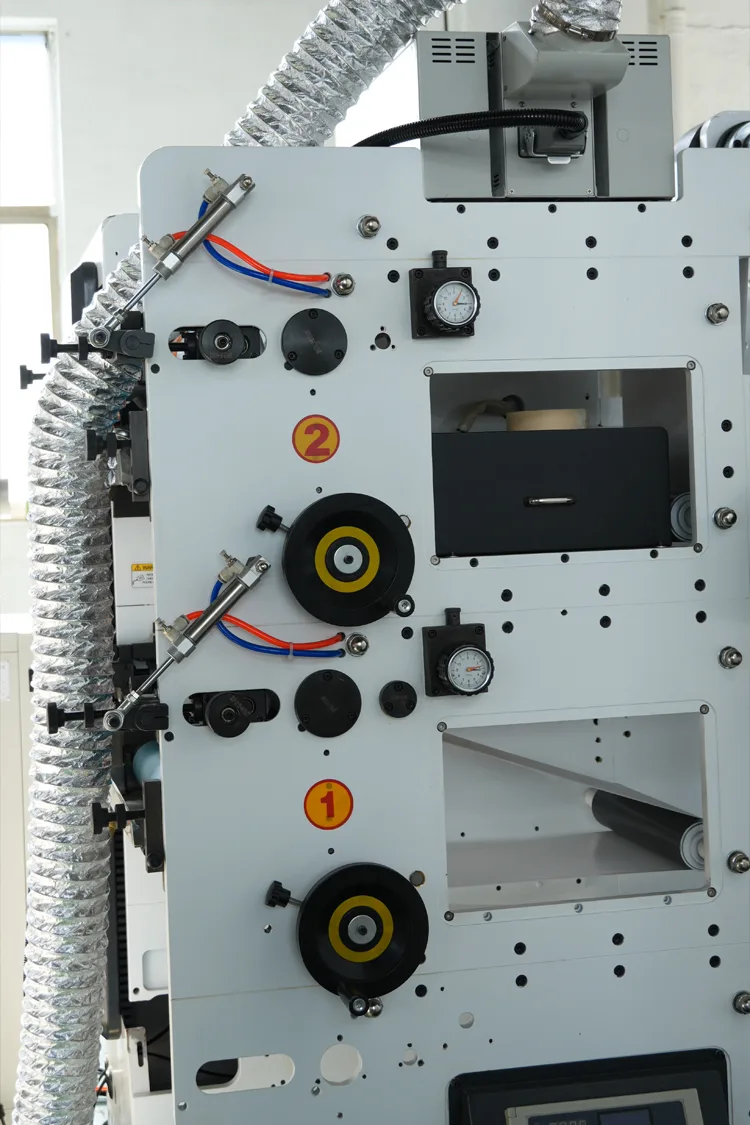
Flexo printing is a high-speed, roll-to-roll process where precision matters more than simplicity. While the principle is straightforward—ink transfer from anilox to plate to substrate—the real challenge lies in controlling ink volume, registration, and web behavior under continuous operation. Consistent print quality depends on the balance between mechanical setup and process stability, especially at higher speeds. When properly configured, flexo delivers efficient, scalable printing across a wide range of substrates.
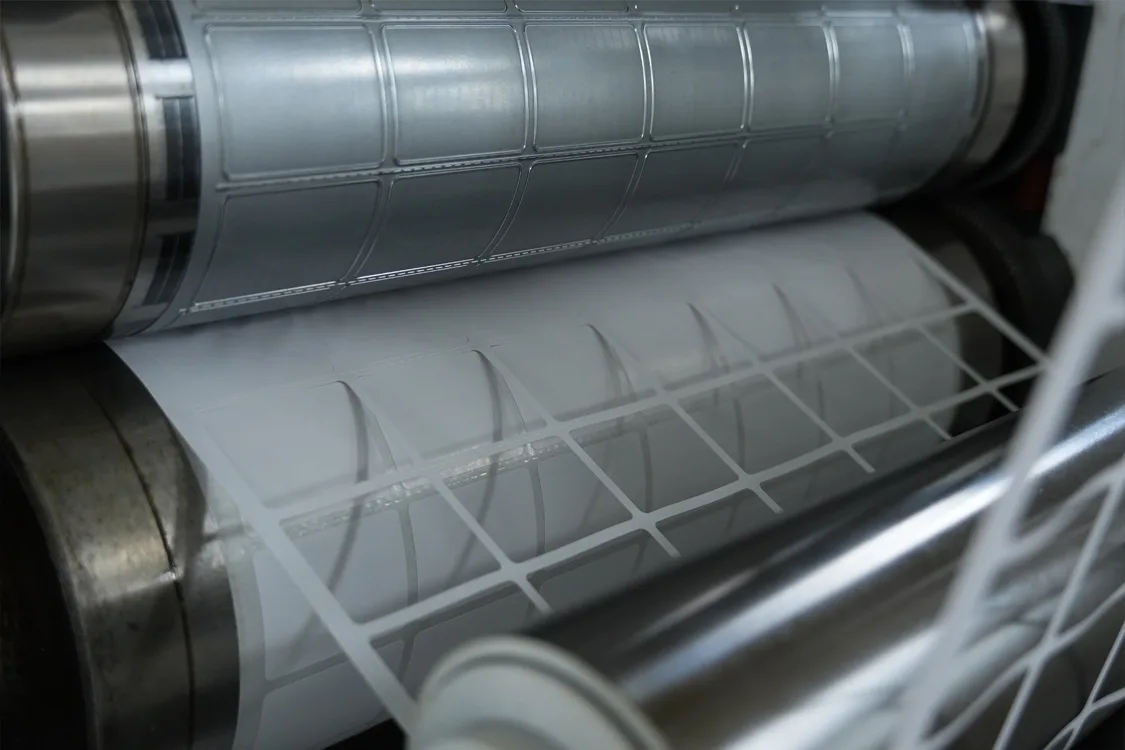
Die Cutting
Die cutting is the final step where design becomes a finished product. Accuracy, repeatability, and clean separation are critical, especially in high-speed converting lines. Poor alignment or unstable material handling can quickly lead to miscuts and production losses. A reliable die cutting system ensures precise registration, smooth operation, and seamless integration into existing workflows—allowing converters to maintain productivity while meeting strict quality requirements.
Slitting Method in Jota Machinery
Materials we process