
What is Bisphenol A(BPA)?
Bisphenol A (BPA) is an organic chemical compound first synthesized in 1891. It is primarily used to make polycarbonate plastics and epoxy resins, which have been widely applied in food packaging, beverage containers, water bottles, medical devices, and the inner linings of cans.
Structurally, BPA belongs to the family of bisphenols—molecules with two phenol functional groups. This structure gives BPA its unique ability to create strong, transparent plastics and durable coatings.

Official Evidence of Toxic Chemicals in Paper Receipts
Independent laboratory studies and government investigations have confirmed that thermal paper receipts often contain harmful chemicals such as Bisphenol A (BPA) and Bisphenol S (BPS). These endocrine-disrupting substances can transfer from receipts onto the skin and enter the body, raising serious health concerns for both consumers and retail workers. Scientific evidence shows clear links between these chemicals and risks including cancer, reproductive issues, and developmental problems.


Bisphenol A (BPA) Timeline
Founding Vision
Russian chemist Aleksandr Dianin first synthesizes Bisphenol A (BPA).
First Product Exploration
Scientists discover BPA mimics estrogen; considered briefly for use as a synthetic hormone.
Industrial Breakthrough
Industry adopts BPA as a raw material for polycarbonate plastics and epoxy resins (e.g., can linings, baby bottles).
Commercial Launch
Bayer commercializes Makrolon® polycarbonate; GE introduces Lexan®.
Regulatory Milestone
BPA included in the U.S. Toxic Substances Control Act without new testing.
Early Scientific Warning
National Toxicology Program reports BPA causes effects in high-dose animal studies.
Safety Benchmark
U.S. EPA sets safe daily intake at 50 µg/kg/day (based on old data).
Is BPA harmful to humans?
Bisphenol A (BPA) is a chemical widely used in plastics, food packaging, and thermal receipts, meaning most people are exposed daily. The concern is that BPA can act as an endocrine disruptor, imitating natural hormones and disturbing the body’s balance.
Research suggests links between BPA exposure and problems such as developmental changes in children, fertility issues, metabolic disorders, and possible effects on the brain and behavior. Because of these risks, countries like Canada, the EU, and the U.S. have restricted BPA in baby products and thermal paper.
In short, BPA is common, but its potential health effects make it a global public health concern worth understanding.
The health concern lies in the fact that BPA is an endocrine-disrupting chemical (EDC). Its molecular shape allows it to imitate estrogen, a natural hormone, and this interference may disturb how the body regulates growth, reproduction, and metabolism. Studies in animals and humans have suggested potential links between BPA exposure and:
Endocrine Disruption
Bisphenol A (BPA) is classified as an endocrine disruptor. Its molecular structure allows it to mimic estrogen, a key hormone that regulates reproduction, growth, and metabolism. When BPA enters the human body, it can bind to hormone receptors and send false signals, which may disturb normal hormone balance. Scientists have raised concerns that this interference could affect fertility, puberty timing, and even neurological development in children.
Health Risks at Low Doses
While early safety standards were based on high-dose animal studies, more recent research suggests that even very low levels of BPA exposure might be harmful. Studies have linked chronic low-dose BPA exposure to potential problems such as increased risk of obesity, type 2 diabetes, cardiovascular disease, and developmental effects in fetuses and young children. These findings have driven regulators to continuously re-evaluate what level of BPA exposure is safe.
Daily Exposure Through Consumer Products
BPA is not a rare contaminant—it is found in everyday life. People can be exposed when BPA leaches into food or beverages stored in polycarbonate bottles and epoxy-lined cans. Another significant source is thermal receipt paper, which uses BPA as a heat-activated coating. Handling receipts allows BPA to transfer to the skin and potentially enter the bloodstream. Because BPA is detected in the urine of most people worldwide, it is clear that exposure is widespread.
Regulations and Global Actions
Concerns about health risks have prompted many governments to act. Canada was the first to ban BPA in baby bottles (2008–2010). The European Union followed in 2011 and later extended restrictions to thermal paper in 2020. The U.S. FDA removed BPA from baby bottles and sippy cups in 2012, and several states have additional bans in place. In 2023, the European Food Safety Authority set an extremely low tolerable daily intake for BPA, reflecting the growing scientific consensus that even tiny exposures may be risky.
Countries and Regions with BPA Bans or Restrictions
Discover how our comprehensive solutions empower your journey.

European Union
Since 2 January 2020, the EU has banned the placing of thermal paper containing ≥0.02% BPA on the market under Regulation (EU) 2016/2235, amending REACH Annex XVII. This measure was adopted to reduce occupational exposure, especially for cashiers and workers handling receipts, based on scientific evidence that even dermal contact can transfer BPA.

United States
In 2010, the U.S. Environmental Protection Agency (EPA) issued a BPA Action Plan focusing on thermal paper, food packaging, and environmental impacts. While FDA later banned BPA in baby bottles and sippy cups (2012), most other uses remain permitted, with regulators relying on industry cooperation and ongoing safety reviews【EPA BPA Action Plan】

China
In 2011, China’s Ministry of Health issued a directive prohibiting BPA in baby bottles and infant feeding containers, aligning with international safety concerns. While BPA is still allowed in other plastics and thermal papers, the national standard GB 9685 and related updates require stricter migration limits and promote alternatives in products with direct food or skin contact【China MOH/SGS Safeguards 2011】.
Why use BPA for thermal paper manufacturing ?

High-Quality Image Development
BPA is an excellent color developer that reacts quickly with leuco dyes, producing sharp, dark, and durable images. This ensured receipts, tickets, and labels were always clear and easy to read.

Fast Printing Performance
Thanks to its strong heat sensitivity, BPA enabled thermal printers to operate at high speeds without sacrificing print quality—essential for POS systems, ATMs, and retail applications.
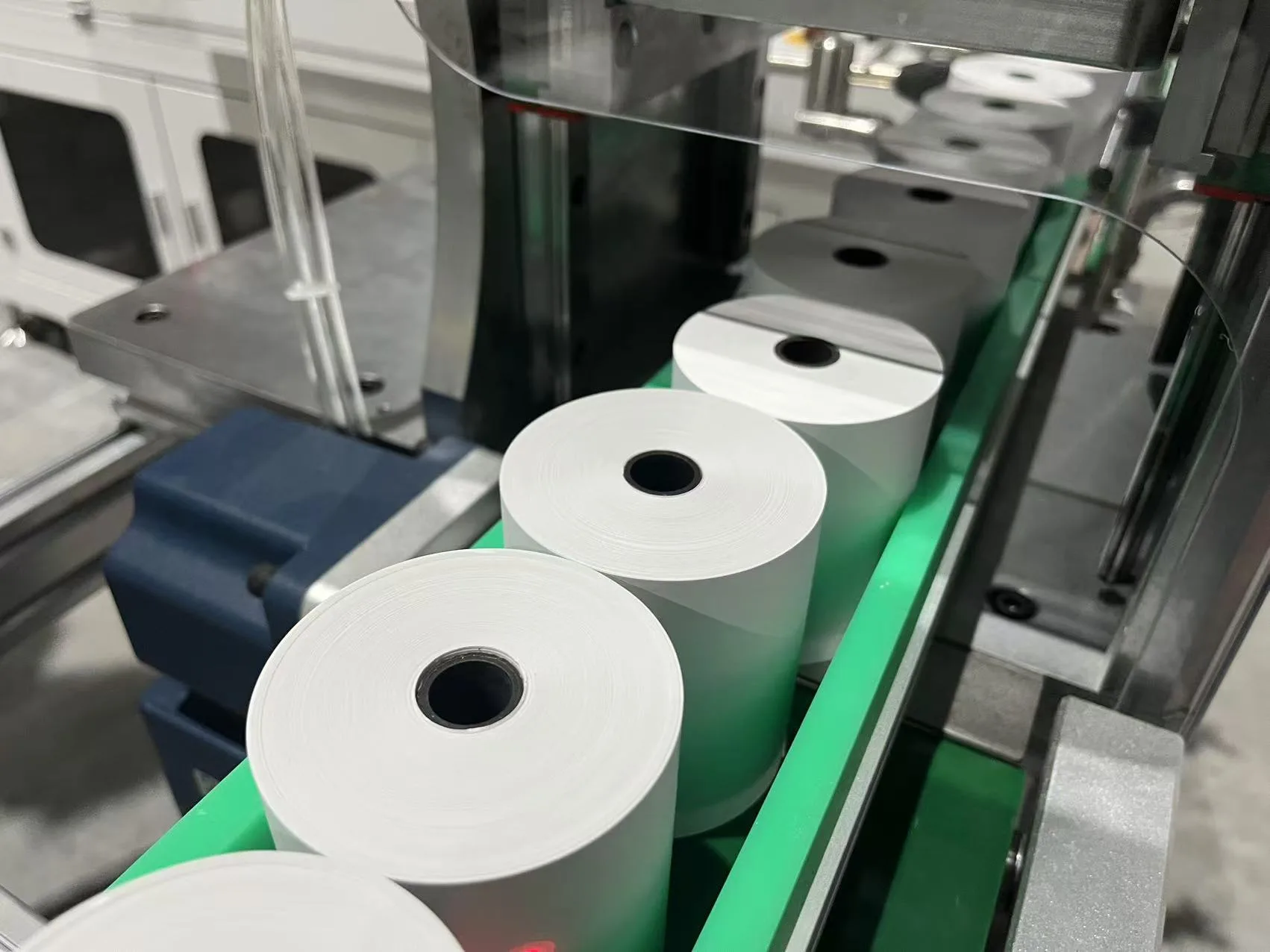
Cost-Effective and Reliable
BPA was inexpensive to produce and provided consistent results, making thermal paper affordable for mass use while maintaining stability during manufacturing, slitting, and storage.
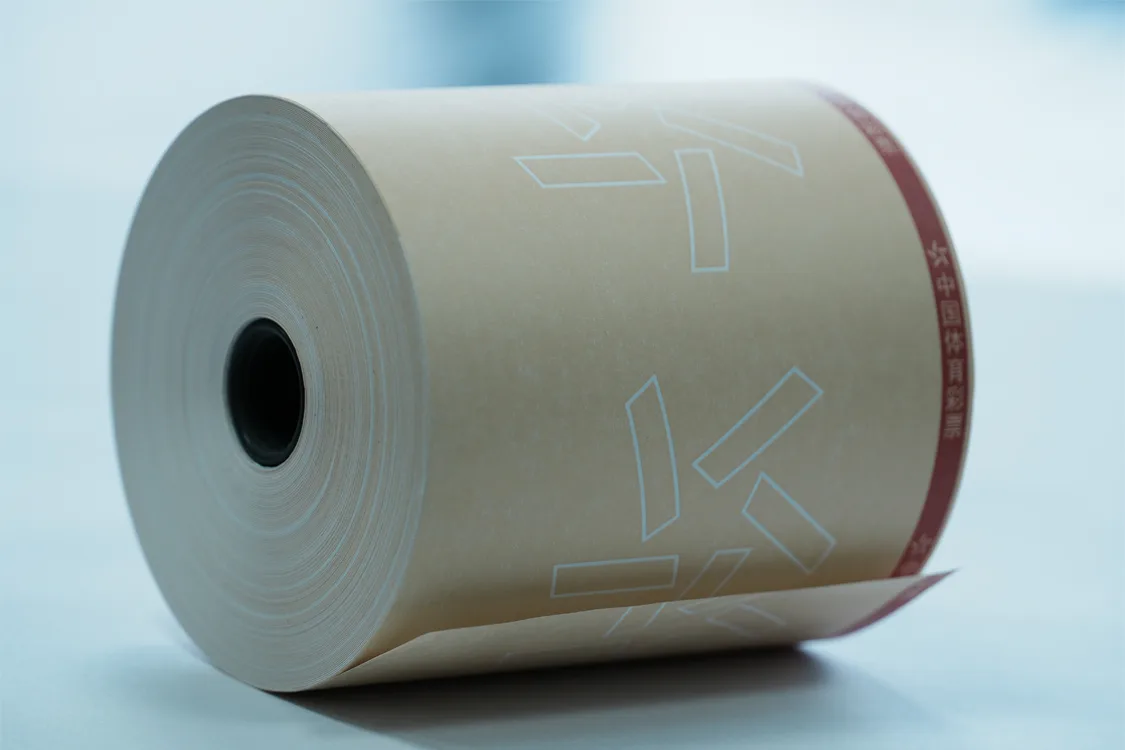
Compatibility With Existing Technology
BPA worked perfectly with the standard temperature ranges of thermal printheads, meaning no redesign of printers was required. This compatibility accelerated its global adoption.
how to avoid bPA in receipts
Choose Digital Options
Ask for e-receipts via email or SMS whenever possible. This avoids direct contact with thermal paper that may contain BPA or BPS.
Limit Direct Handling
Only take receipts when absolutely necessary. If you must keep one, fold it with the printed side inward to reduce skin contact.
Protect Your Skin
Avoid touching receipts with freshly moisturized or sanitized hands, as chemicals transfer more easily. Always wash your hands afterward.
Safer Storage Practices
Keep receipts away from food, groceries, or children’s belongings. Store important receipts in a sealed envelope or folder instead of loose in wallets or bags.
Recognize Safer Alternatives
Some retailers provide BPA-free or phenol-free receipts. Look for receipts with eco-labels or a slightly blue/gray tint (e.g., Blue4est®).
Reduce Receipt Dependence
Use banking apps, loyalty programs, or store apps to track purchases digitally. Dispose of paper receipts in the trash (not recycling bins) to avoid contaminating recycled paper.
Understanding BPA and BPA-Free Products
Learn what BPA is, why it’s used in plastics and thermal paper, and what “BPA-free” really means.
01
01
“BPA-free” means that a product does not contain Bisphenol A (BPA), a chemical once widely used in plastics and thermal paper. Instead, safer alternatives are used to prevent BPA exposure, which has been linked to potential health and environmental risks.
02
02
BPA, or Bisphenol A, is an industrial chemical used in plastics, resins, and as a developer in thermal paper. Scientific studies have raised concerns that BPA may interfere with hormones, potentially affecting human health. Because of these risks, the European Union has restricted its use in thermal paper since 2020.
03
03
Historically, most thermal paper receipts contained BPA in the coating to produce sharp print images. However, due to regulatory bans, many manufacturers have shifted to BPA-free alternatives such as Bisphenol S (BPS) or phenol-free coatings. Still, some older or imported rolls may contain BPA.
04
04
BPA-free thermal paper is usually labeled by manufacturers or suppliers. To verify, check the packaging or request certification from the supplier. Another method is laboratory testing, where the paper’s coating is analyzed for BPA content. When in doubt, always choose certified BPA-free rolls from trusted sources.
📚 Sources Used in the BPA Article
China Daily
“China bans BPA in babies’ bottles” – report confirming China’s 2011 nationwide ban in infant feeding bottles.
chinadaily.com.cn
American Chemical Society (ACS)
“Bisphenol A – American Chemical Society”
acs.org – background on BPA history and synthesis.
Federal Register (FR)
“Indirect Food Additives: Polymers” – FDA’s 2012 rule removing BPA-containing polycarbonate resins from baby bottles/sippy cups.
federalregister.gov
SGS
“EU Regulates BPA in Thermal Paper under REACH” – outlining EU Regulation (EU) 2016/2235 restricting BPA in receipts.
sgs.com
American Scientist (AmSci)
“Assessing Risks from Bisphenol-A” – overview of EPA’s 1988 reference dose and ongoing debates.
americanscientist.org
FDA
“Bisphenol A (BPA): Use in Food Contact Application” – FDA’s current stance that BPA is safe at current exposure levels.
fda.gov
EFSA (European Food Safety Authority)
“Bisphenol A” – EU scientific opinions and 2023 reassessment drastically lowering the tolerable daily intake.
efsa.europa.eu