


Written by Jota Machinery | Bruce Zhou

A Complete Guide to Thermal Paper Receipts and Safer Alternatives
Introduction
Every time you pick up a receipt at a store, you’re holding more than just a proof of purchase. For decades, many receipts were coated with Bisphenol A (BPA), a chemical used as a color developer in thermal paper.
While effective in producing sharp, fast printing, BPA raised alarms due to its health and environmental risks. Today, concerns over endocrine disruption, human exposure, and recycling contamination have pushed governments worldwide to rethink the use of BPA in receipts.
BPA has been used as a color developer in some thermal paper grades. Restrictions differ by jurisdiction, product scope, and effective date. This guide summarizes selected rules and links to official sources so businesses can check the requirements that apply to their markets.
Why BPA Became a Target
- Explanation of BPA in thermal receipts (how it works as developer).
- Health risks (hormone disruption, cashier exposure, transfer to skin).
- Environmental persistence and recycling contamination.
Countries That Have Banned or Restricted BPA in Thermal Paper

1. European Union (EU)
- Ban effective Jan 2020 (≥0.02% BPA restricted).
- Regulation details under REACH.
- Importance: EU became the global benchmark.
2. Switzerland
- Went further: banned both BPA and BPS in 2020.
- Showcases leadership in avoiding “regrettable substitution.”
3. United States
- No federal ban, but several state-level bans:
- Connecticut (2011 law, effective 2015).
- Illinois (BPA-Free Receipt Act, 2020).
- Washington State (full bisphenol ban by 2026).
- Patchwork system creates uneven compliance.
4. Canada
- No BPA ban for receipts yet, only for baby bottles.
- Receipts still widely contain BPA.
- Environmental groups pushing for similar EU-style restrictions.
5. Japan
- Industry-government phase-out completed in 2003.
- First country worldwide to eliminate BPA in receipts.
- Example of proactive policy.
6. South Korea
- Regulation proposed in 2021, effective 2022 (aligning with EU limits).
7. China
- No ban in place as of 2025.
- BPA receipts remain common domestically and for exports.
Why “BPA-Free” Isn’t Always Safer
- Many replacements use BPS, which has similar risks.
- Phenol-free alternatives (Pergafast, Vitamin C-based, Koehler’s Blue4est).
- Industry pressure to move beyond “free-from” labels toward genuine safer substitutes.
What These Bans Mean for Businesses
- Retailers, banks, and governments must comply with local bans.
- Converters need to source phenol-free jumbo rolls.
- Exporters must align with stricter markets (EU, Switzerland).
The Future of Receipts
- Trend toward e-receipts to cut waste and exposure.
- Wider adoption of phenol-free paper.
- Regulatory domino effect — more countries expected to follow EU/Washington model.
Converting Thermal Paper Rolls for Different Markets?
Jota Machinery manufactures slitting and rewinding equipment for thermal paper converters. Share your jumbo roll width, finished roll sizes, core requirements, and target output to discuss a suitable machine configuration for your production needs.
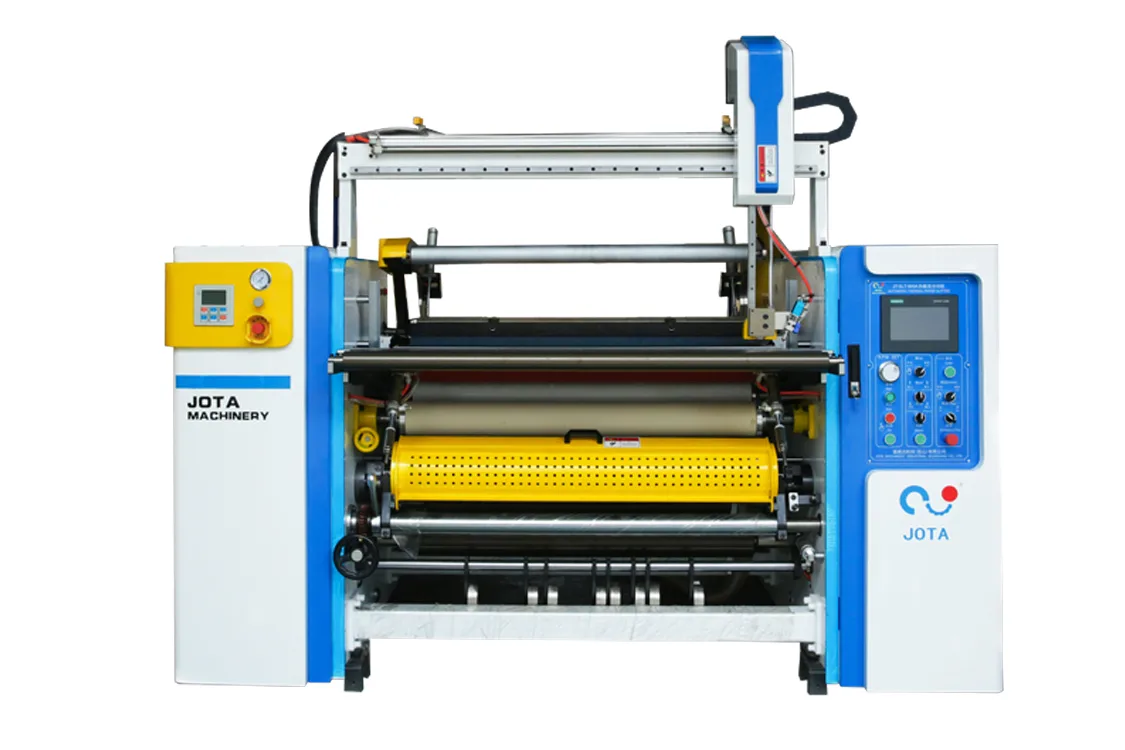
For standard POS and receipt-roll production, thermal paper jumbo rolls are slit and rewound into the required finished widths, diameters and core specifications.
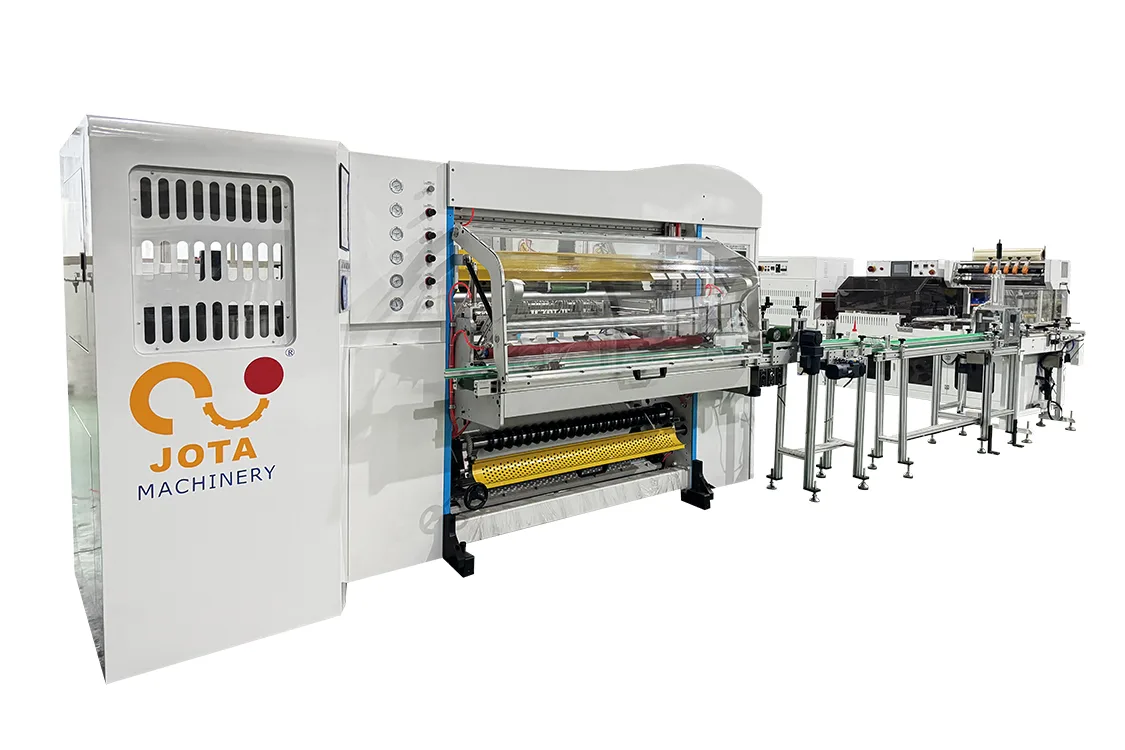
For higher production output, a fully automatic configuration can reduce manual handling and integrate additional roll finishing, packaging or palletizing processes.
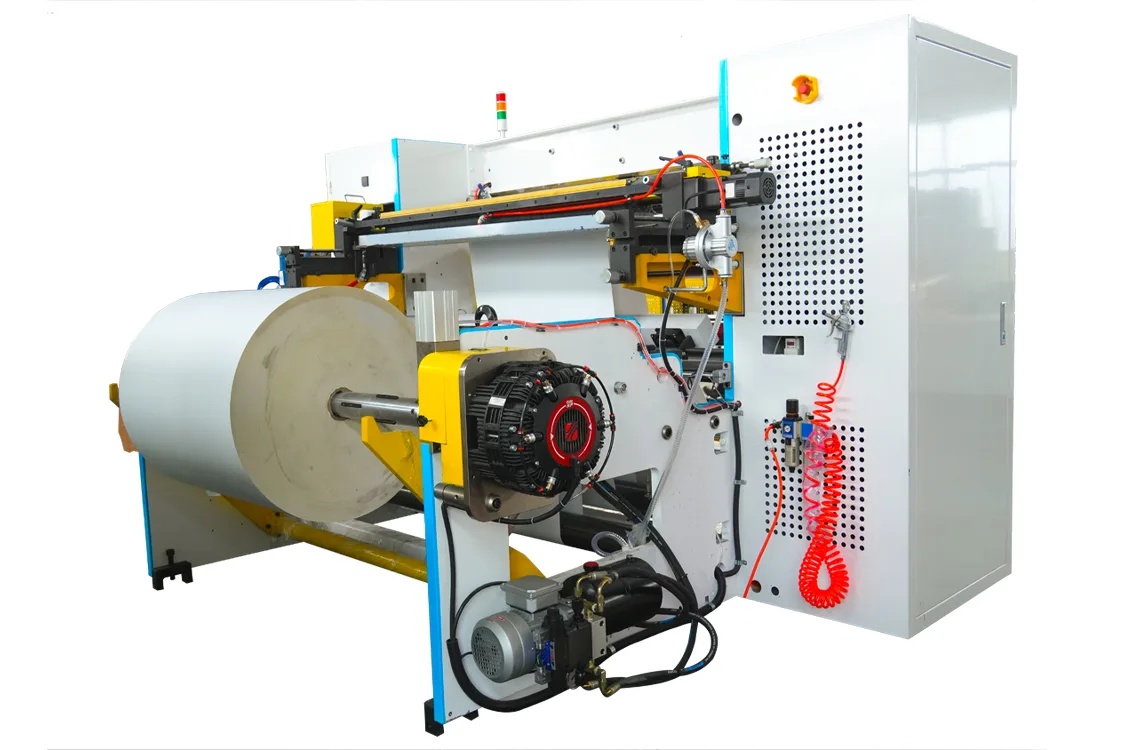
If your rolls require logos or promotional information, inline flexographic printing can be combined with slitting and rewinding in one production process.
Conclusion
The global movement against BPA in receipts reflects a growing alignment between public health protection and sustainable manufacturing. While some regions are still catching up, the direction is clear: BPA’s days in thermal paper are numbered. For businesses and converters, the real opportunity lies not just in adopting BPA-free materials but in moving to truly safer and eco-friendly solutions.

Contact Our Team!
Thank you for visiting our website and taking an interest in the our products. We’re looking forward to connecting with you and discussing more about how we can help.

Company address
No 68, Shaojing Road, Economic Development Zone, Kunshan City, Suzhou, Jiangsu Province, China

Email Address

Contact Number
+86-13868814910
