


Is Thermal Paper Harmful?
Thermal paper uses a heat-sensitive coating to form printed text and images. The chemicals used in that coating vary by product. Some thermal papers have used bisphenol A (BPA) or bisphenol S (BPS) as developers, while others use different alternatives.
This means there is no single answer that applies to every thermal receipt. The chemical composition of a specific roll, the amount of contact and the applicable regulations all matter. Check the paper supplier’s technical documents if you need to identify the developer used.
What Are BPA and BPS?
BPA and BPS are different chemical developers that have been used in some thermal papers. A “BPA-free” label means that BPA is not used; it does not identify every substitute or, by itself, describe the overall safety profile of the paper.
In the European Union, thermal paper containing BPA at a concentration of 0.02% by weight or more may not be placed on the market from 2 January 2020. This restriction applies to BPA. It does not mean that every alternative developer has been assessed as safe. Requirements can differ by market, so businesses should check the regulations that apply where their products are sold.
What Do We Know About Exposure?
Research has shown that BPA can transfer from some thermal papers to skin. The amount of transfer or absorption depends on the paper’s formulation and the conditions of contact. A study of selected BPA alternatives also found that skin absorption differed between the substances tested.
These findings do not establish a single exposure level or health outcome for every receipt, paper formulation or person. A contact time alone cannot determine whether a particular receipt presents a health risk.
Workers who handle receipts repeatedly may have different exposure patterns from people who handle them occasionally. Employers should follow the occupational and chemical-safety requirements that apply in their location and consult the paper supplier’s documentation.
Sources: ECHA: Bisphenols; ECHA: BPS use in thermal paper; Peer-reviewed review of BPA and alternatives in thermal paper.
How to Choose Thermal Paper for Your Business
If chemical composition is important for your product or workplace, ask the paper supplier for a written declaration identifying the developer used and the applicable compliance documents. Do not rely on the term “BPA-free” alone to identify all chemicals in the paper.
Before ordering, confirm that the roll specification is compatible with the intended printer and that the supplier’s documentation meets the requirements of your sales market
Regulations Depend on the Market
Rules for bisphenols in receipts and thermal paper vary by location and may change over time. For example, the European Union has restricted BPA in thermal paper since January 2020. Businesses should verify current requirements with the relevant regulator or qualified compliance adviser before selecting paper for a specific market.
Practical Steps for Businesses
Businesses that handle thermal receipts regularly should identify the paper grade they use, request the supplier’s chemical and compliance documentation, and follow local workplace-safety guidance. Where permitted and suitable for the business, offering a digital receipt can reduce the use of paper receipts.
Final Answer: Is Thermal Paper Harmful?
Thermal paper is not made with one universal formulation. Some products use developers that have raised regulatory or scientific concerns, while others use alternatives. The label “BPA-free” does not identify every alternative or establish the overall safety of the paper.
To assess a specific product, check its supplier documentation and the rules that apply in your market. Exposure and health conclusions should be based on the specific paper and relevant evidence, rather than on contact time alone.
Jota Machinery’s Role in Thermal Paper Converting
Jota Machinery manufactures slitting and rewinding equipment for converting jumbo thermal paper rolls into finished POS rolls. The machine processes the paper; the paper’s chemical composition is determined by the paper manufacturer.
If you are planning a thermal paper converting line, share your jumbo roll width, finished roll sizes and production requirements with our team. We can discuss suitable machine options.
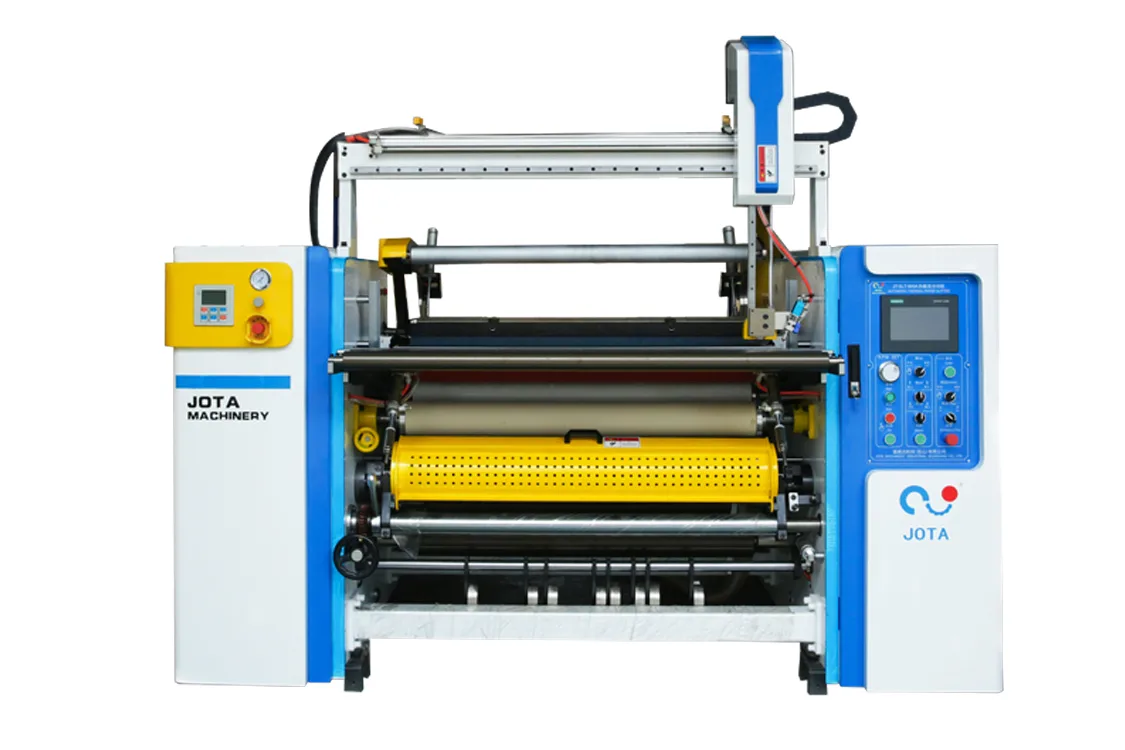
For standard POS and receipt-roll production, thermal paper jumbo rolls are slit and rewound into the required finished widths, diameters and core specifications.
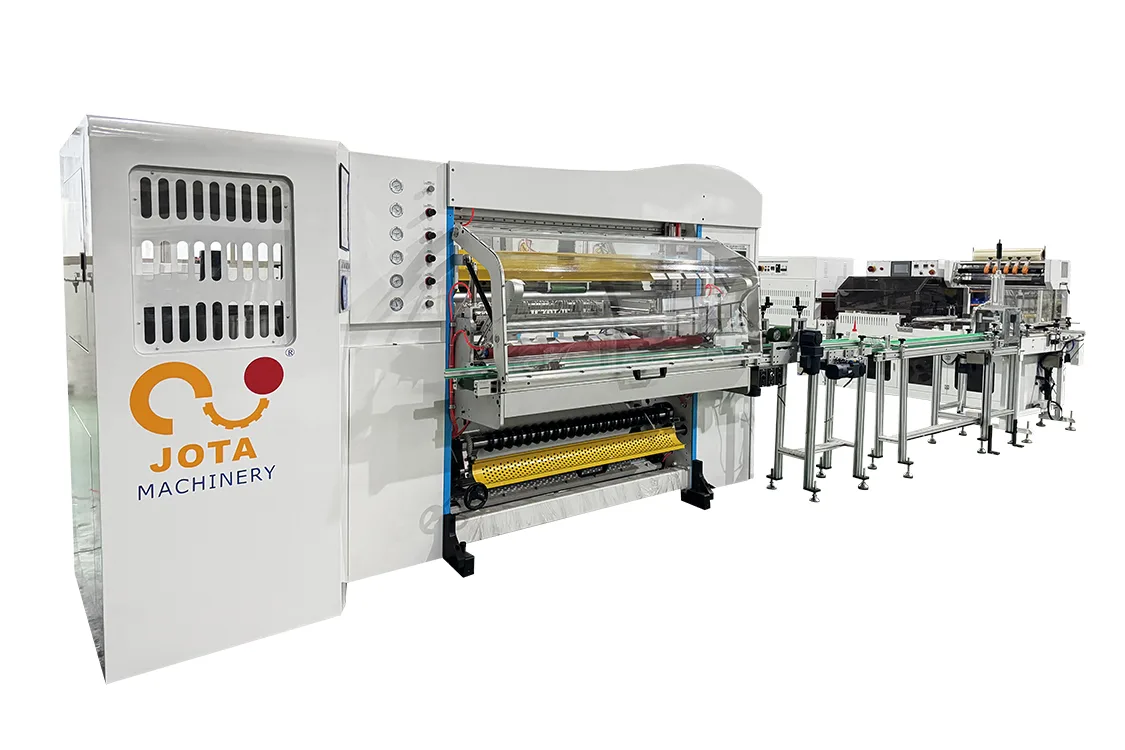
For higher production output, a fully automatic configuration can reduce manual handling and integrate additional roll finishing, packaging or palletizing processes.
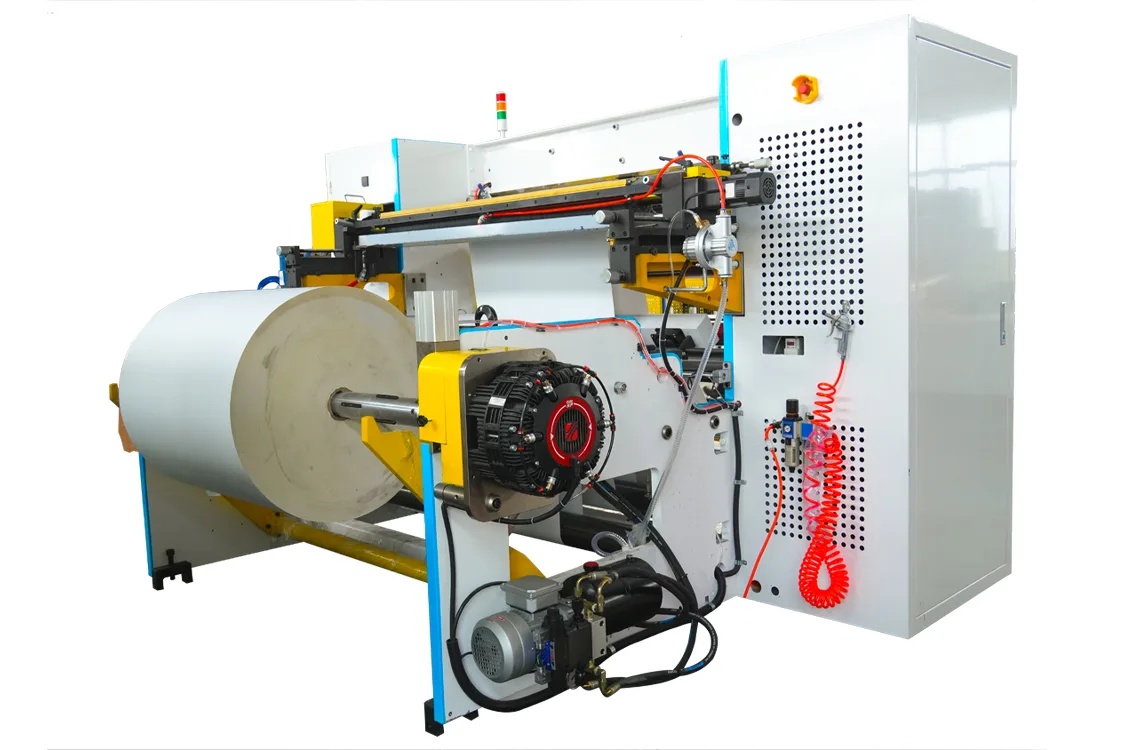
If your rolls require logos or promotional information, inline flexographic printing can be combined with slitting and rewinding in one production process.
📩 Contact us: jotamachinery@gmail.com
🌐 Visit: www.jotamachinery.com

Contact Our Team!
Thank you for visiting our website and taking an interest in the our products. We’re looking forward to connecting with you and discussing more about how we can help.

Company address
No 68, Shaojing Road, Economic Development Zone, Kunshan City, Suzhou, Jiangsu Province, China

Email Address

Contact Number
+86-13868814910
