


Keyphrase: Start a Thermal Paper Roll Factory in Saudi Arabia
Written by Jota Machinery | Bruce Zhou

Introduction
Starting a thermal paper roll factory does not mean manufacturing thermal paper from pulp. For many new businesses, the operation begins with purchasing thermal paper jumbo rolls and converting them into smaller finished rolls.
The production process can include slitting, rewinding, printing and packaging according to the finished product required by the customer.
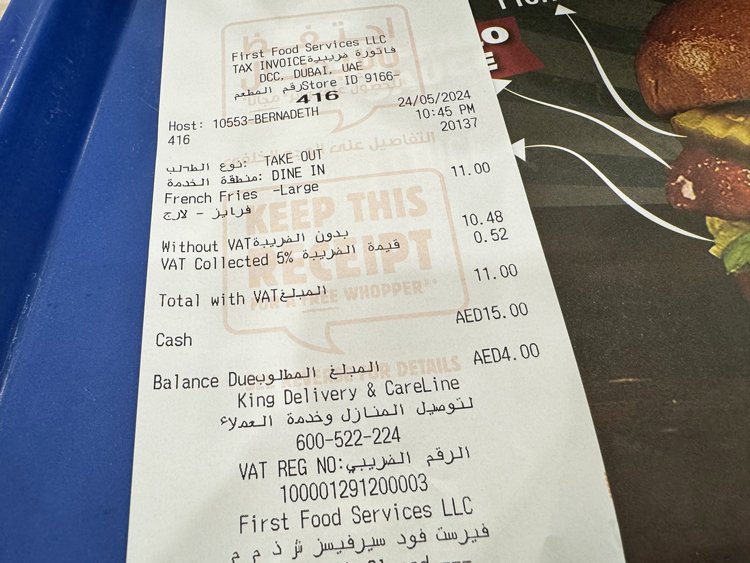
In Saudi Arabia, potential customers may include businesses serving retail, banking, logistics and other applications that use POS, ATM and thermal printing systems.
Before selecting equipment or planning factory capacity, define the thermal paper rolls you intend to sell, the customers you want to supply and the expected production requirements.
This guide covers the main considerations for planning a thermal paper converting factory in Saudi Arabia.
1. Start With the Products and Customers
Before investing in a converting line, identify the customers you intend to supply.
Potential customer groups discussed in this market include retailers, banks, logistics businesses and other companies using thermal printing systems.
Then define the products those customers actually purchase:
- POS or receipt rolls
- ATM rolls
- Printed or unprinted rolls
- Required roll width and diameter
- Core or coreless format
- Thermal paper grade
- Packaging requirements
These specifications should form the basis of the factory plan.
The question at this stage is not how fast a slitter rewinder can run. It is whether the planned production setup can consistently manufacture the thermal paper rolls your customers require.
2. Licenses and Company Registration
Foreigners must go through the Ministry of Investment (MISA) for approval:
Investment License (MISA)
- Apply via MISA e-portal as a foreign investor.
- Submit business plan, authenticated financials, and proof of capital
- Pay license fee
- Processing time
Company Structure
- LLC is the most common choice for factories.
- Register with the Ministry of Commerce (MOC): submit Memorandum of Association, appoint a GM, and get your Commercial Registration (CR).
- Processing time
Industrial License (MIMR or MODON)
- Requires feasibility study, EIA (Environmental Impact Assessment), and fire safety approval.
- Fee
- Processing time
Other Registrations
- Tax & Insurance: Register with ZATCA and GOSI for social insurance.
- Permits: Civil Defense for fire and safety approval.
Licensing, investment, tax, employment and industrial requirements can change. Confirm the current requirements directly with the relevant Saudi authorities or a qualified local adviser before making an investment decision.
3. Residency and Work Permits
As a foreign investor, you’ll need:
- Investor Visa / Premium Residency (Iqama): Long-term, renewable residency for investors.
- Work Permits: For employees via Qiwa platform. Saudization quotas apply.
Foreign investors should also confirm the current residency, work-permit and employment requirements for owners, managers and production staff before establishing the factory.
4. Build the Investment Around Your Production Plan
The investment required for a thermal paper converting factory depends on the production model rather than a single standard budget.
Main cost categories can include:
- Factory or workshop
- Thermal paper converting equipment
- Thermal paper jumbo rolls
- Paper cores
- Printing materials where required
- Packaging equipment and materials
- Air supply and utilities
- Operators and production staff
- Warehousing and logistics
Equipment investment also changes according to the required level of automation.
A startup producing a limited range of standard receipt rolls does not necessarily require the same production configuration as a factory producing multiple sizes, printed rolls or higher volumes.
5. Plan the Factory Around Material Flow
The factory layout should follow the actual thermal paper converting process.
A practical layout needs space for thermal paper jumbo-roll storage, slitting and rewinding, optional printing, packaging, finished-roll storage and loading.
The production area also needs the electrical and compressed-air supply required by the selected equipment.
When planning the workshop, consider how the jumbo rolls enter the factory, move to the slitter rewinder and leave the production area as packaged finished rolls.
6. Equipment and Raw Materials for Thermal Paper Roll Production
The main raw material is the thermal paper jumbo roll. The jumbo roll is converted into smaller finished rolls according to the dimensions required by the customer.
A typical production flow is:
Thermal paper jumbo roll → Slitting and rewinding → Finished thermal paper rolls → Packaging
Depending on the finished product, additional processes can be added.
Thermal Paper Slitter Rewinder
The slitter rewinder is the main converting machine. It unwinds the thermal paper jumbo roll, slits the web into the required widths and rewinds the material into smaller finished rolls.
The appropriate machine configuration depends on the jumbo-roll width, finished-roll size, core requirement and expected production output.
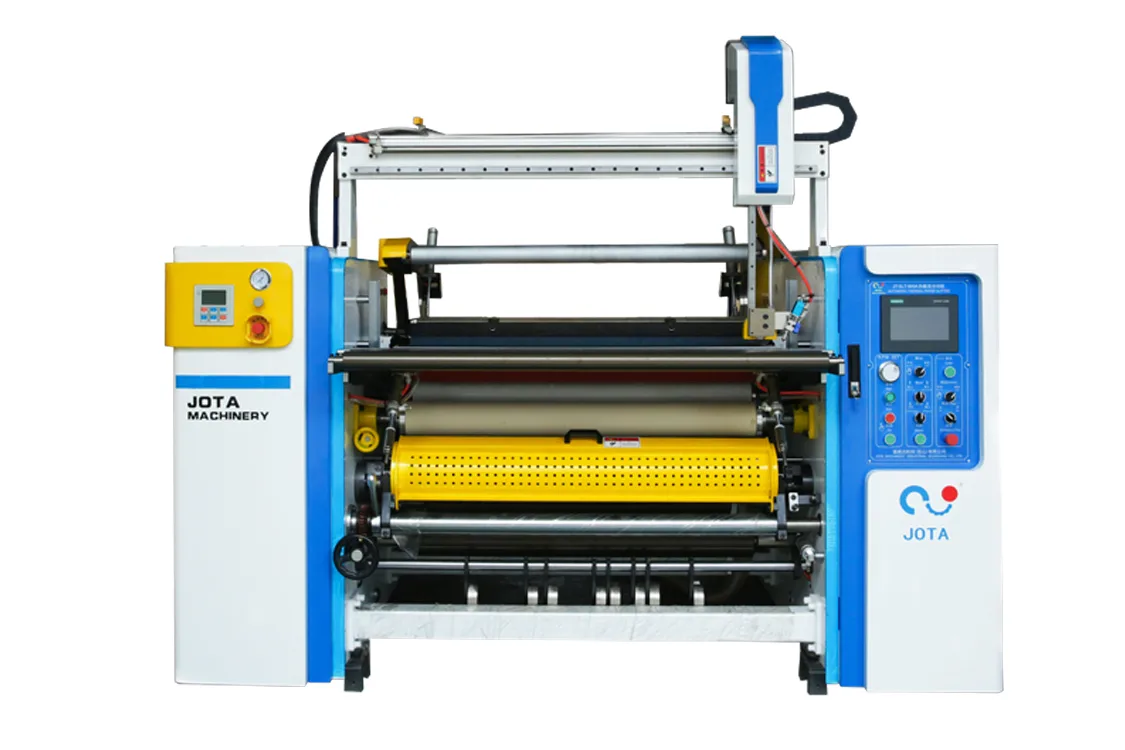
For standard POS and receipt-roll production, thermal paper jumbo rolls are slit and rewound into the required finished widths, diameters and core specifications.
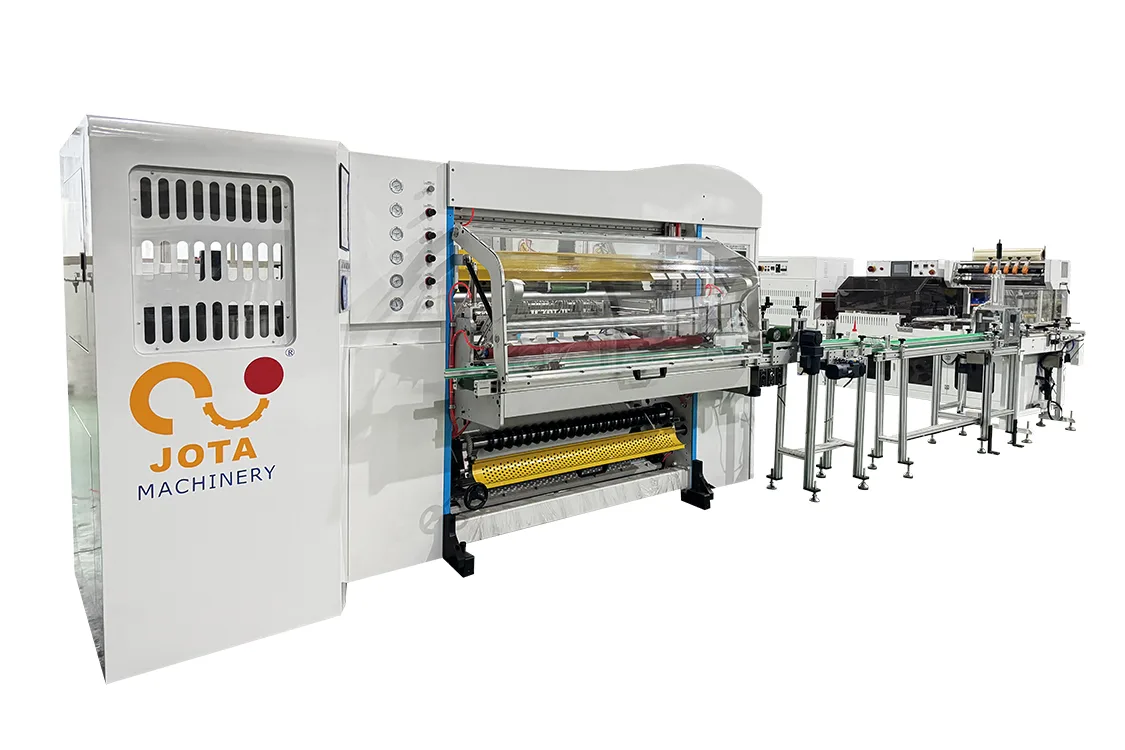
For higher production output, a fully automatic configuration can reduce manual handling and integrate additional roll finishing, packaging or palletizing processes.
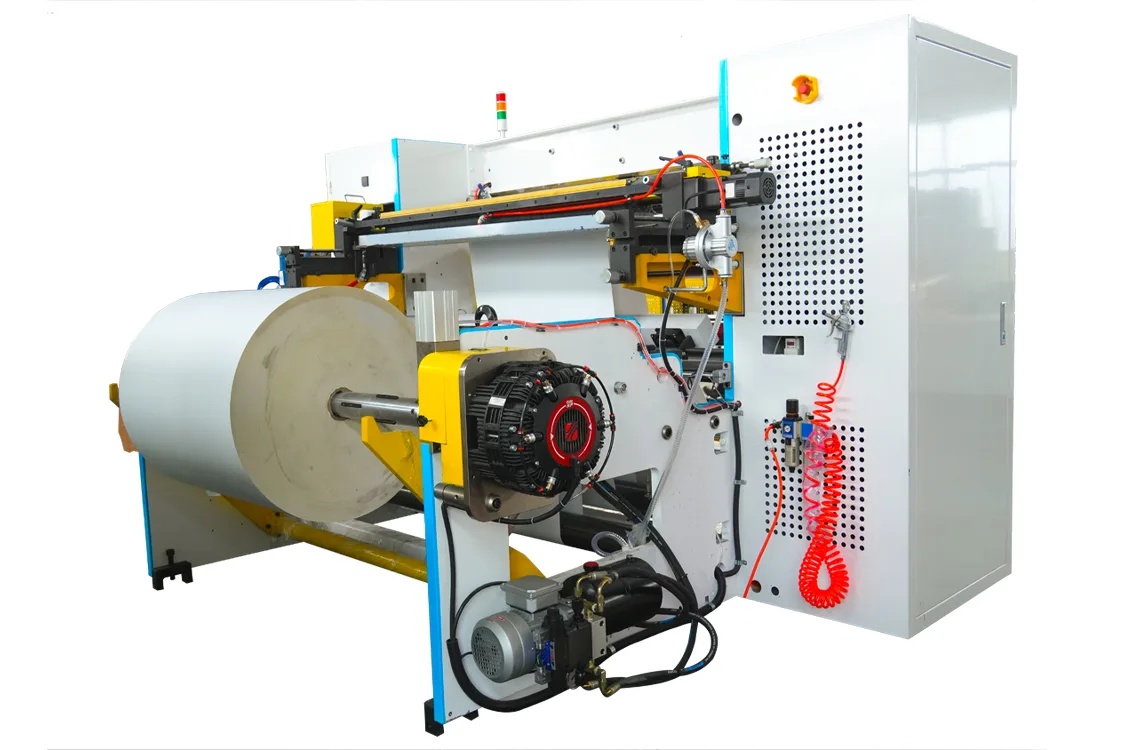
If your rolls require logos or promotional information, inline flexographic printing can be combined with slitting and rewinding in one production process.
Inline Printing
If the finished thermal paper roll requires a warning line, logo or other printed information, printing can be integrated into the production process.
Core Preparation
Where paper or plastic cores are used, the core dimensions need to match the finished thermal paper roll specification.
Coreless production requires a different rewinding arrangement.
Packaging
After slitting and rewinding, finished rolls can be packed according to the customer’s packaging requirements.
Before selecting the equipment, prepare the jumbo-roll specification and the finished thermal paper rolls you intend to produce.
7. Hiring and Saudization
- Team Size: 10–20 staff (operators, QC, logistics, manager).
- Wages: SAR 3,000–10,000/month depending on role.
- Saudization (Nitaqat):
- 25–40% Saudis required in manufacturing roles.
- Non-compliance leads to fines (SAR 2,400/month per expat).
- Subsidies available for training Saudi workers.
Insurance: Liability, fire, property, and workers’ comp.
Confirm current Saudization and employment requirements with the relevant Saudi authorities before finalizing the staffing plan.
8. Launching and Marketing
Operations
- Start with 1,000–5,000 rolls/day.
- Test for SASO/SFDA approval.
Marketing
- Domestic: “Made in Saudi” branding for retailers and banks.
- Export: Use Saudi Exports portal to connect with GCC buyers.
- Events: Exhibit at Saudi Print & Pack Expo.
Pricing: SAR 0.5–2/roll, ~10% below imports.
Start With a Defined Product Range
A new thermal paper converter does not need to manufacture every possible roll size from the beginning.
Start with a defined range based on customer demand, then organize the jumbo-roll inventory, cores, printing and packaging around those products.
Before full production, run the intended thermal paper and finished-roll specifications on the converting equipment and check the finished rolls for winding consistency, dimensions, cut quality and printing where applicable.
As demand develops, additional roll sizes or automation can be added according to the production requirement.
Challenges and Solutions
- Raw material sourcing
- Finished-roll specifications
- Production efficiency
- Local compliance
Planning a Thermal Paper Roll Factory in Saudi Arabia?
Before asking for a machine quotation, define the thermal paper products you intend to manufacture.
Prepare the following information:
- Thermal paper jumbo-roll width and diameter
- Paper grade
- Finished-roll width
- Finished-roll diameter or length
- Core size or coreless requirement
- Printing requirements
- Packaging requirements
- Expected production output
Share these requirements with JOTA Machinery.
Our team can use your actual product specifications to discuss the appropriate thermal paper slitting, rewinding, printing and automation configuration for your factory.

Contact Our Team!
Thank you for visiting our website and taking an interest in the our products. We’re looking forward to connecting with you and discussing more about how we can help.

Company address
No 68, Shaojing Road, Economic Development Zone, Kunshan City, Suzhou, Jiangsu Province, China

Email Address

Contact Number
+86-13868814910
