

Written by Bruce Zhou
Founder & Managing Director | JOTA Machinery
Paper converting machinery specialist since 2002.
Connect with me on LinkedIn
Published: 09,October, 2026
Last Updated: 08,October, 2026 11:06:24 GMT+8
A cash register roll is a continuous roll of paper used in cash registers, point-of-sale (POS) systems, receipt printers, and some payment terminals. It feeds through the printer to produce transaction records, such as item descriptions, prices, taxes, payment details, and the date and time of a sale.

Cash register rolls are also called receipt rolls, POS rolls, till rolls, or cash register tape. The paper type must match the printer: a thermal printer uses heat-sensitive paper, while older impact printers may use bond or multi-ply carbonless paper.
What are the main types of cash register rolls?
Thermal paper rolls
Thermal paper has a heat-sensitive coating. A thermal printhead activates selected areas of the coating to form the receipt image, so the printer does not need an ink ribbon or toner. Thermal rolls are widely used in modern POS systems and receipt printers.
Bond paper rolls
Bond paper is uncoated paper. It requires an impact printer and an ink ribbon to print. It is commonly associated with older cash registers and receipt systems.
Carbonless rolls
Carbonless, or NCR, paper is used when a transaction needs multiple copies. The layers transfer writing or print impressions to create duplicates, such as a customer copy and a business record.
What sizes are available?
Common receipt paper widths include 57 mm or 58 mm and 80 mm. The exact width, roll diameter, and core size depend on the printer model. For example, Epson printer specifications list models that support 58 mm and 80 mm paper, while the permitted roll diameter and other dimensions vary by model.
Before ordering or producing rolls, check the printer manual or ask the customer to confirm:
- Paper type
- Roll width
- Maximum roll diameter
- Core diameter
- Required roll length, if specified
A roll that is the wrong width or diameter may not fit the printer correctly, even if the paper type is suitable.
How are cash register rolls produced?
Thermal paper mills supply large parent rolls, often called jumbo rolls. A paper converter uses a slitter rewinder to unwind the parent roll, slit it into narrower widths, and rewind the resulting strips into finished POS or receipt rolls.
The machine must match the converter’s planned products. Relevant specifications include the parent-roll width and diameter, finished-roll widths and diameters, core sizes, and required production capacity. If the product needs printed warning lines or other markings, confirm whether printing is part of the line configuration.
For converters, this is where equipment selection affects the range of rolls they can produce. Jota Machinery supplies slitter rewinders for thermal paper roll production. Send us your parent-roll and finished-roll specifications to discuss a machine configuration for your product range.
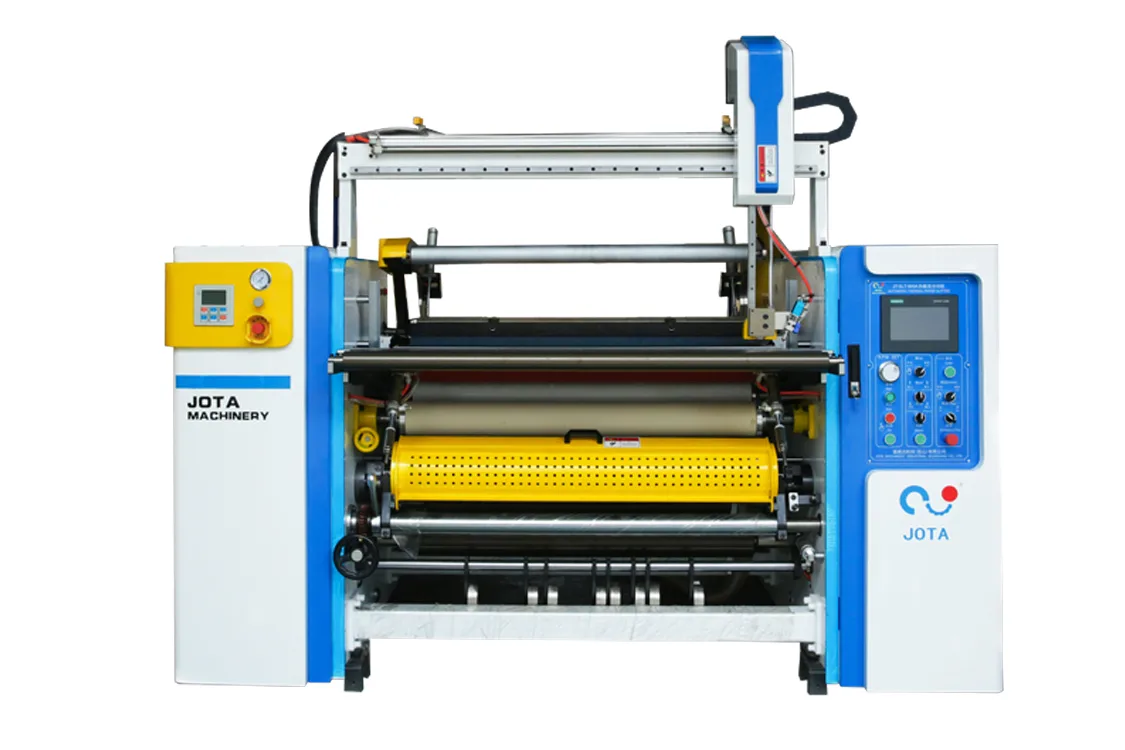
For standard POS and receipt-roll production, thermal paper jumbo rolls are slit and rewound into the required finished widths, diameters and core specifications.
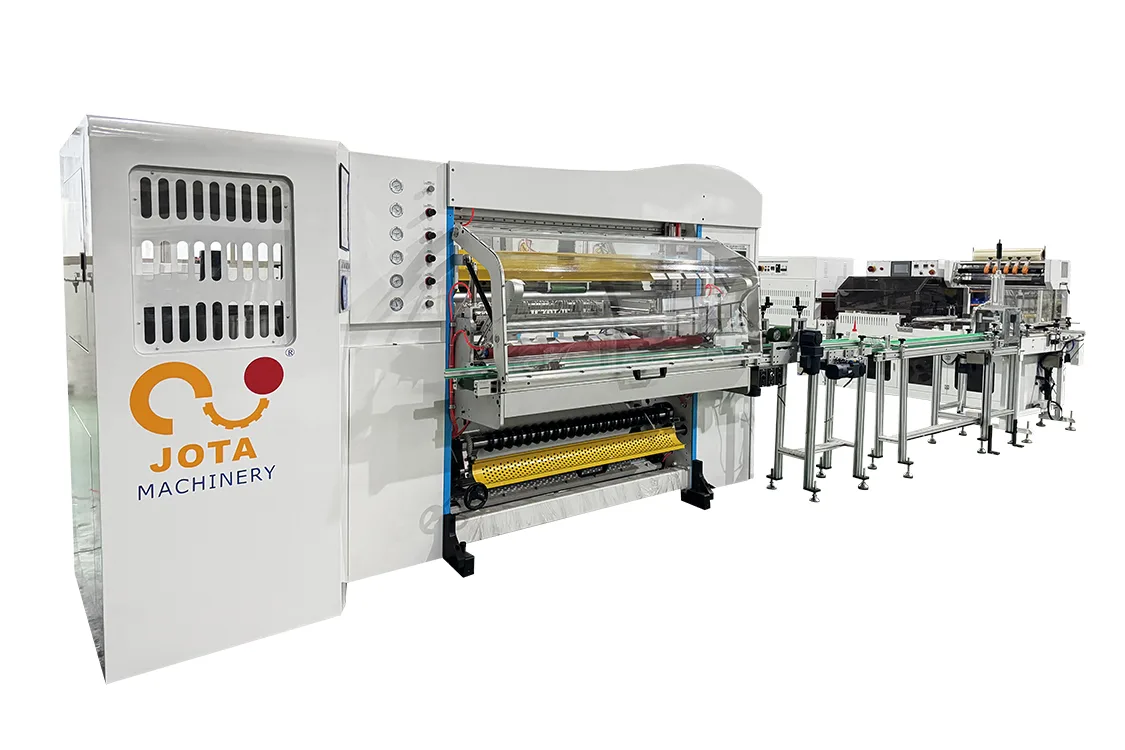
For higher production output, a fully automatic configuration can reduce manual handling and integrate additional roll finishing, packaging or palletizing processes.
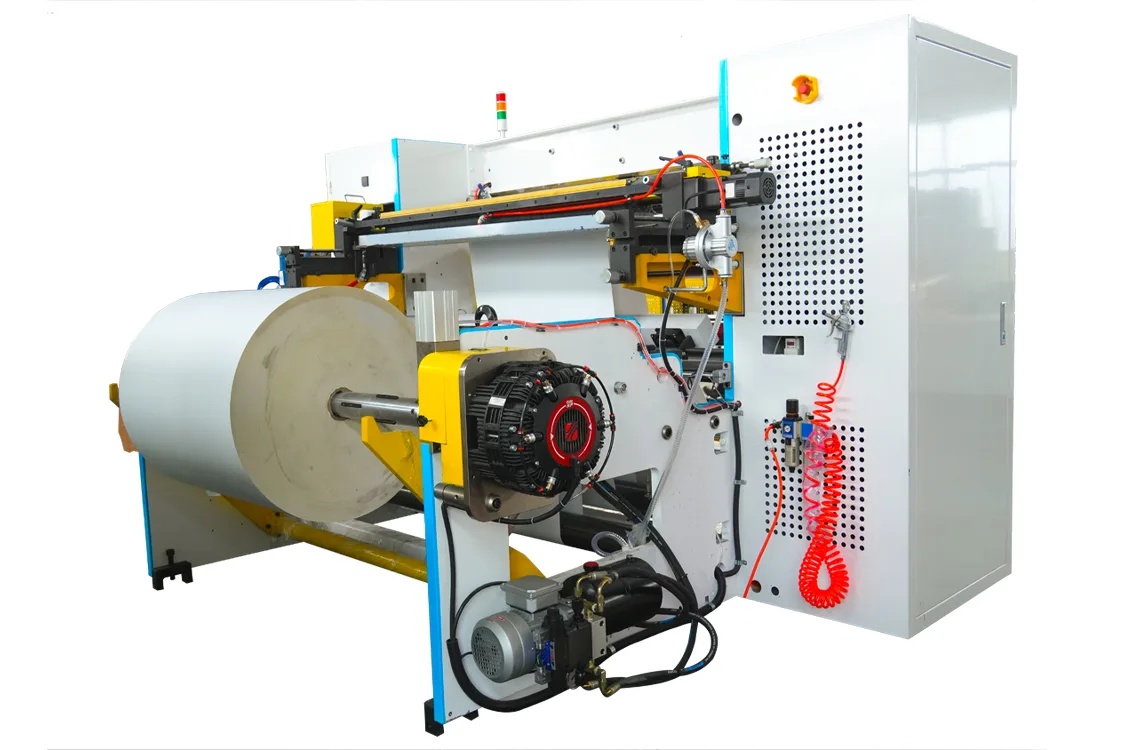
If your rolls require logos or promotional information, inline flexographic printing can be combined with slitting and rewinding in one production process.
Who uses cash register rolls?
Retailers, restaurants, supermarkets, banks, and other businesses use receipt rolls to print records of transactions. Receipts can also support returns, bookkeeping, and internal sales records. Some older systems used a second journal roll to keep an additional record of transactions.
Last Updated on 09/10/2026 by Jota Machinery