


Written by Jota Machinery | Bruce Zhou

Introduction
In the fast-moving world of retail, logistics, healthcare, and manufacturing, printing speed and reliability can directly affect how smoothly a business runs. For many of these industries, thermal printers have become the backbone of everyday operations — from producing receipts at the checkout counter to printing durable shipping labels that withstand rough handling.

If you’ve ever wondered what a thermal printer is, how it works, and why so many companies rely on it, you’re in the right place. This guide covers everything — from its technical workings to its applications — and explains how Jota Machinery supports businesses worldwide with high-quality thermal paper rolls and slitting solutions.
What is a Thermal Printer?
A thermal printer uses heat to create text or images. Direct thermal printers apply heat to specially coated media, while thermal transfer printers use a heated printhead to transfer ink from a ribbon onto the media. The right method depends on the printer, media, and how long the print needs to remain readable.This makes it especially suited for high-speed, low-maintenance printing needs.
Thermal printers are found in retail stores, courier warehouses, hospitals, manufacturing plants, and even in fieldwork equipment. Their efficiency, reliability, and quiet operation have made them a preferred choice for businesses that handle high-volume, time-sensitive printing tasks.
What is a Thermal Printer Used For?
Thermal printers are not just for receipts — their scope of use is far wider:
- Retail and Hospitality – Point-of-sale receipts, price tags, and event tickets.
- Logistics and Shipping – Shipping labels, warehouse barcodes, and pallet tags.
- Healthcare – Patient wristbands, specimen labels, and prescription labels.
- Manufacturing – Product tracking labels, compliance tags, and quality control markings.
- Transportation – Parking permits, boarding passes, and baggage tags.
- Specialized Fields – Casino vouchers, lottery tickets, and even oceanographic equipment logs.
Thermal printers can be a practical option for frequent receipt or label printing. Before choosing one, compare printer and media costs, print volume, and how long the print needs to remain readable.
How Does a Thermal Printer Work?
A thermal printer works by applying precisely controlled heat through a printhead. This heat interacts with the media in one of two main ways:
- Direct Thermal Printing
- Uses special heat-sensitive thermal paper that changes color (usually black, sometimes red or blue) when heated.
- No ink, toner, or ribbon required.
- Common for receipts, tickets, and short-term labels.
- Limitation: Image fades over time with exposure to heat, light, or abrasion.
- Thermal Transfer Printing
- Uses a wax, resin, or wax-resin ribbon that melts when heated, transferring the pigment to the paper, film, or fabric.
- Produces long-lasting, durable prints resistant to water, chemicals, and UV exposure.
- Ideal for product labels, industrial tags, and outdoor signage.
Because thermal printers have fewer moving parts than inkjet or laser printers, they tend to last longer, require less maintenance, and operate more quietly.
Thermal Printer Brands and Models: Epson, UPS, and More
While the basic technology is the same, different brands design thermal printers with unique strengths:
- Thermal Printer Epson
Epson is known for reliable retail and POS thermal printers. Models like the Epson TM-T88 series are industry favorites for fast, quiet printing and robust connectivity. - Thermal Printer UPS
UPS and other logistics giants often use industrial-grade thermal printers (such as Zebra or Honeywell) to produce shipping labels with precise barcodes that can be scanned quickly during package sorting.
Thermal Printer vs. Label Printer
Many people confuse thermal printers with label printers. The key difference is that “thermal printer” refers to the technology (heat-based printing), while “label printer” describes the purpose (printing labels).
- Some label printers use thermal printing. Others use inkjet or laser technology. “Label printer” describes the printer’s purpose, while “thermal” describes its printing method.
- A receipt printer in a supermarket is thermal but not a label printer.
- A barcode label printer in a warehouse is both thermal and a label printer.
Advantages and Disadvantages of Thermal Printers
| Aspect | Advantages | Limitations |
|---|---|---|
| Cost | Low running costs for direct thermal; fewer consumables. | Higher initial cost; ribbons add cost for transfer printing. |
| Speed | Extremely fast print output, ideal for high-volume jobs. | Not suited for full-color photographic printing. |
| Maintenance | Few moving parts, low wear and tear. | Thermal heads can wear out over time if not cleaned. |
| Durability | Transfer prints are weather- and chemical-resistant. | Direct thermal prints fade over time. |
Why Thermal Printers Matter in Business Operations
The right printing equipment can make or break operational efficiency. A slow or unreliable printer can delay shipping, frustrate customers, or even halt production lines.
With a thermal printer:
- Retailers can keep checkout lines moving.
- Logistics operations use thermal printers to produce shipping labels at high volume. Print quality and reliability depend on the printer setup, media, and maintenance.
- Hospitals can issue patient wristbands instantly without smudging.
This reliability explains why thermal printing technology is deeply embedded in global supply chains.
Thermal Paper Rolls: The Unsung Hero
A thermal printer is only as good as the thermal paper roll it uses. Poor-quality paper can lead to printhead damage, unclear images, and shorter printer lifespan.
At Jota Machinery, we specialize in manufacturing thermal paper roll slitting machines that ensure rolls are cut to precise dimensions for optimal printer performance.
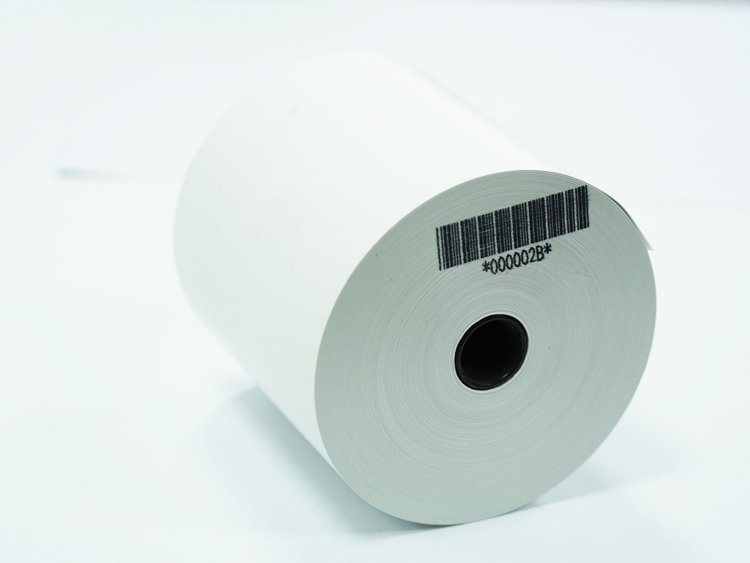
Whether you need 80x80mm POS rolls or custom-sized label stock,JOTA manufactures slitting and rewinding machines for thermal paper converters. A suitable line is selected according to the jumbo-roll dimensions, finished-roll sizes, paper grade, required output and packaging needs. Roll quality depends on the material, machine setup and operating conditions.
Industry Trends: Why Thermal Printing Is Growing
- E-commerce Growth → Massive demand for shipping labels.
- Retail POS Modernization → Faster checkout experiences require instant printing.
- Healthcare Compliance → Accurate patient and specimen labeling reduces medical errors.
- Sustainability Push → Development of BPA-free and phenol-free thermal paper.
These trends are expected to keep thermal printing technology relevant for decades.
Choosing the Right Thermal Printer
When selecting a thermal printer, consider:
- Print Volume – How many labels or receipts per day?
- Durability Needs – Indoor short-term vs. outdoor long-term use.
- Media Size – Standard POS rolls, wide-format labels, or custom widths.
- Connectivity – USB, Ethernet, Bluetooth, or Wi-Fi.
- Total Cost of Ownership – Including ribbons, maintenance, and paper.
From Printer to Paper: How Jota Machinery Supports You
At Jota Machinery, we go beyond just talking about thermal printing — we help businesses run it profitably. Jota Machinery supplies slitter rewinder machines for businesses converting thermal paper into POS rolls and other paper rolls. Machine configuration depends on the target roll width, paper specifications, and production requirements.
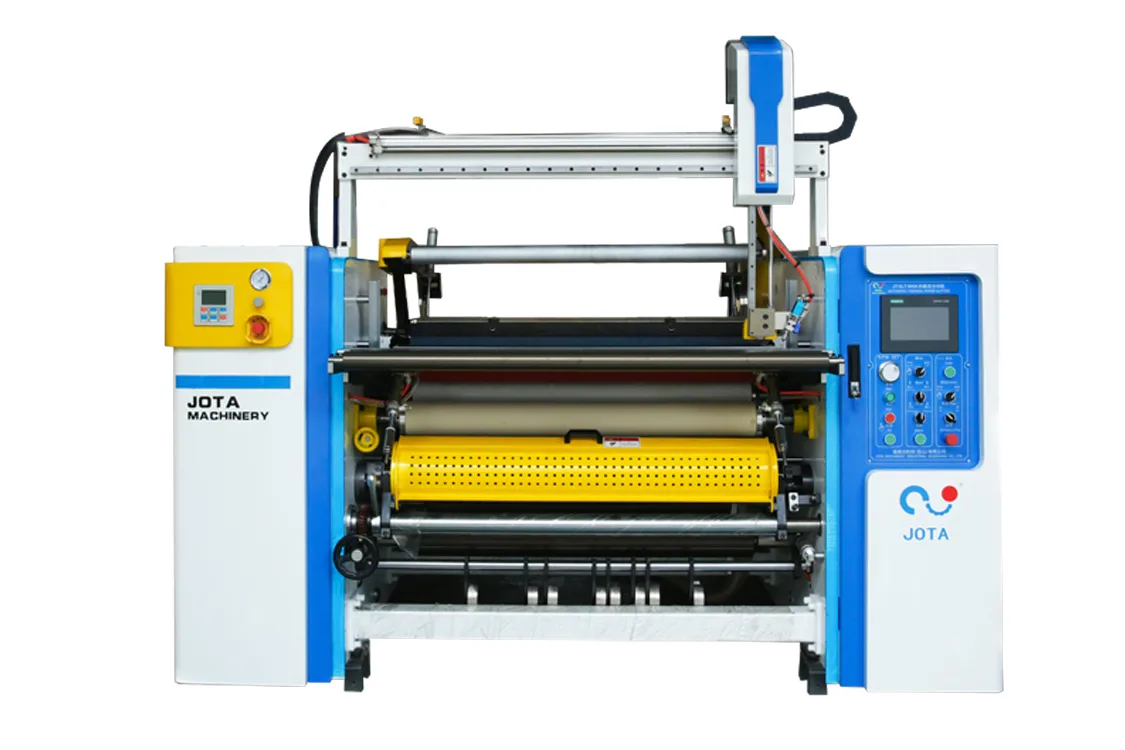
For standard POS and receipt-roll production, thermal paper jumbo rolls are slit and rewound into the required finished widths, diameters and core specifications.
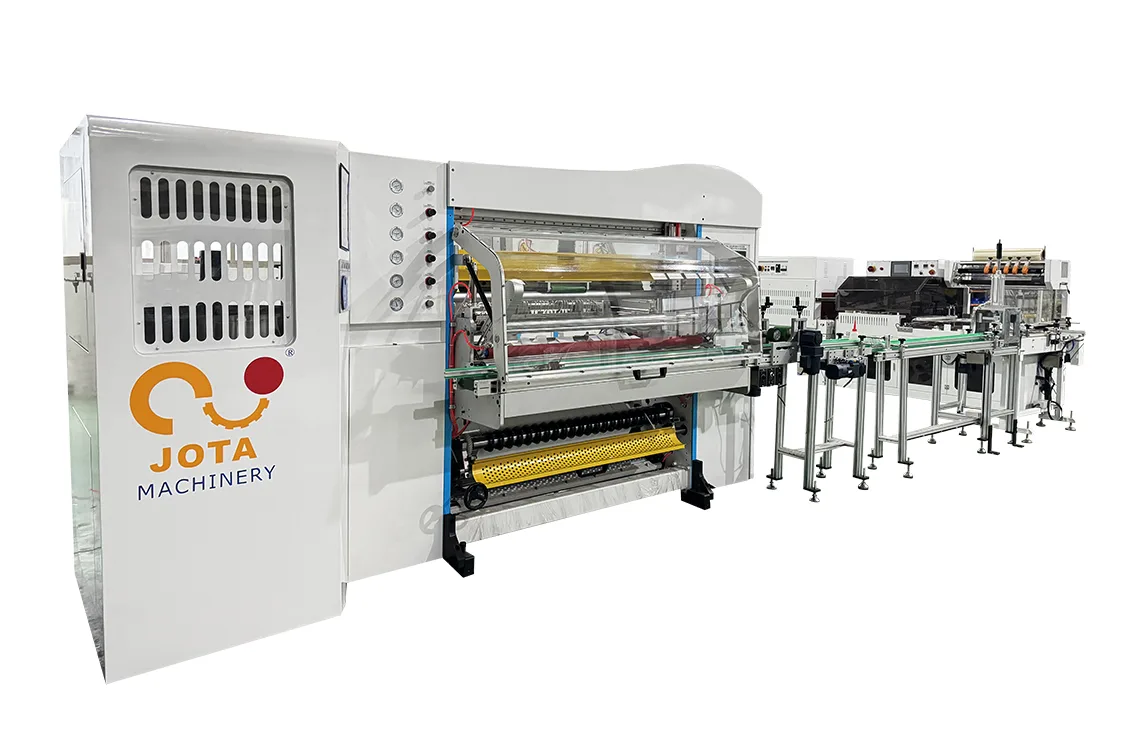
For higher production output, a fully automatic configuration can reduce manual handling and integrate additional roll finishing, packaging or palletizing processes.
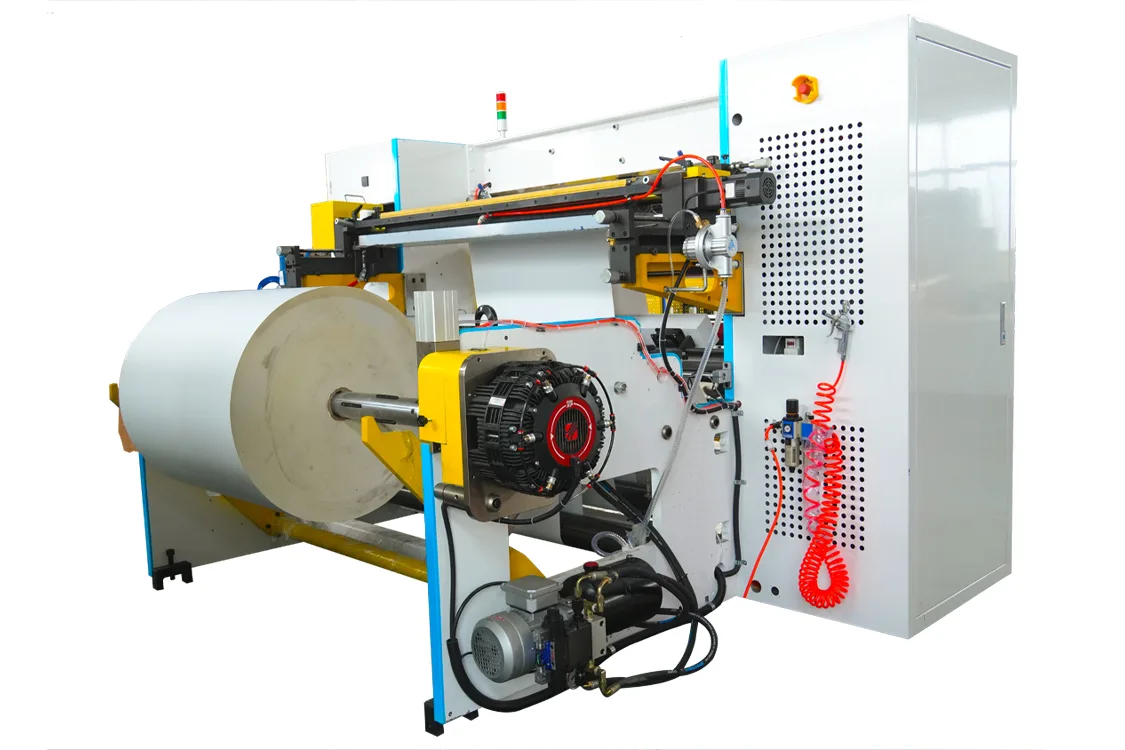
If your rolls require logos or promotional information, inline flexographic printing can be combined with slitting and rewinding in one production process.
We’ve supplied:
- POS roll producers in Europe
- Label converters in North America
- Logistics hubs in Southeast Asia
- Medical supply distributors in the Middle East
Our clients choose us because we combine engineering precision with responsive service, ensuring that your printer never runs out of reliable paper supply.
Call to Action
If you’re in the thermal paper roll business or planning to start one, the printer is only half the equation — your paper supply quality decides your output reliability.
Planning to produce thermal paper rolls? Contact Jota Machinery with your paper width, finished roll size, core diameter, and target output. Our team can help you assess a suitable slitting and rewinding machine configuration.
🌐 Visit: www.jotamachinery.com
📧 Email: jotamachinery@gmail.com

Contact Our Team!
Thank you for visiting our website and taking an interest in the our products. We’re looking forward to connecting with you and discussing more about how we can help.

Company address
No 68, Shaojing Road, Economic Development Zone, Kunshan City, Suzhou, Jiangsu Province, China

Email Address

Contact Number
+86-13868814910
