


Understanding the Weight Behind Every Thermal Receipt
GSM means grams per square meter. It describes the mass of a square meter of paper and is used to specify paper weight. For thermal paper, GSM is one part of the specification. It does not, by itself, tell you the paper’s thickness, print life, roll length or compatibility with a particular printer.
When comparing thermal paper grades, check the supplier’s technical data sheet and consider the intended printer and finished roll specifications.
🧠 What Does GSM Mean in Paper?
GSM (Grams per Square Meter) refers to the mass of one square meter of paper, including both the base and the thermal coating. It is a universal standard used to express paper weight. In thermal paper, GSM determines:
- How sturdy or delicate the paper feels
- How much space a roll consumes
- How durable the printout is over time
In short, GSM is a proxy for thickness, but not a direct measure of it.
🔍 Why GSM Matters in Thermal Paper Rolls
Whether you’re a buyer sourcing POS paper rolls or a technician calibrating a thermal printer, GSM can dramatically impact the performance of your system:
| GSM Level | Common Use Cases | Paper Feel | Print Durability |
|---|---|---|---|
| 48gsm – 55gsm | POS receipts, parking meters | Lightweight | Moderate |
| 60gsm – 65gsm | Bank receipts, transport tickets | Medium | Good |
| 70gsm – 80gsm | Medical printouts, cinema tickets | Thick & strong | Excellent |
GSM is useful when comparing paper weight, but it should not be used alone to predict paper strength, print durability or printer compatibility. In JOTA’s thermal paper converting projects, POS grades commonly fall around 48–55 g/m². The suitable grade still depends on the paper supplier’s specifications, printer requirements and finished roll dimensions.
🏭 Typical GSM in Thermal Paper Industry
Based on global manufacturing trends:
- 48gsm: Popular for cost-saving and high-speed retail environments.
- 55gsm: The sweet spot for POS receipts in supermarkets and hospitality.
- 60-65gsm: For businesses that need a balance between performance and cost.
- 70-80gsm: Premium rolls used in healthcare, transportation, or event ticketing.
Thermal Paper GSM vs. Caliper (Thickness)
Although GSM affects thickness, GSM ≠ caliper. Thickness (or caliper) is measured in microns, and two papers with the same GSM may differ due to fiber density or coating process.
📦 GSM Affects Roll Length — Here’s How
The higher the GSM, the thicker the paper, which means shorter roll length at the same roll diameter.
GSM alone is not enough to calculate the length of an 80 mm × 80 mm roll. The paper’s measured caliper, core diameter and winding conditions also affect the result. For a reliable estimate, use the paper supplier’s technical data and confirm the finished roll with a production sample.
Businesses focused on operational efficiency often choose lower GSM to reduce downtime from roll replacement — an important factor in fast-paced retail and logistics environments.
📊 GSM Across Different Paper Types
| Paper Type | GSM Range |
|---|---|
| Thermal Paper | 45 – 80 gsm |
| Copier Paper | 70 – 90 gsm |
| Magazine Paper | 90 – 120 gsm |
| Cardstock | 200 – 300 gsm |
As you can see, thermal paper is one of the lightest commercial paper categories, engineered for specialized applications like heat-sensitive printing.
🌱 Sustainability & GSM in Thermal Paper
Lower GSM means using less pulp, making it more eco-friendly and cost-efficient. However, ultra-low GSM (e.g., below 45gsm) may compromise print quality and printer head safety.
Higher GSM, while slightly less sustainable, often supports long-term archiving, critical for legal documents or medical imaging.
🛠 Real-World Tip: How to Choose the Right GSM?
- For POS use: 55gsm is the industry default — reliable, cost-effective, and compatible with most printers.
- For medical or transport: Go for 70gsm or above to ensure legibility and durability.
- For printing custom logos or coupons: Choose a GSM with a smooth coating to improve print clarity.
✅ Always test a sample roll before bulk purchasing, as GSM alone doesn’t guarantee printer compatibility.
🔚 Final Thoughts: GSM Is More Than Just a Number
GSM is the silent backbone of thermal paper performance. It influences not only how your receipts look, but also how they behave — in storage, in thermal printers, and in customer hands.
Whether you’re manufacturing, converting, or purchasing thermal paper rolls, a deep understanding of GSM ensures better cost control, printer longevity, and customer satisfaction.
📌 Key Takeaways
- GSM = Grams per square meter, indicating paper weight.
- Common values: 48gsm to 70gsm, depending on the application.
- GSM affects print quality, roll length, and durability.
- Choose GSM based on end use, printer type, and cost efficiency.
Suggested Readings
- Thermal Paper 101: GSM and Thickness | Panda Paper Roll
- What is GSM in Paper | Golden Paper Company
- Printing Terminology | Color Vision Printing
- Reddit: What Does 70gsm Mean?
Planning a Thermal Paper Roll Converting Line?
We manufacture thermal paper slitter rewinders. Share your paper grade, jumbo roll width, paper caliper, finished roll width and diameter, core size, target output, and any inline printing requirements. Our team can discuss a machine configuration for your production line.
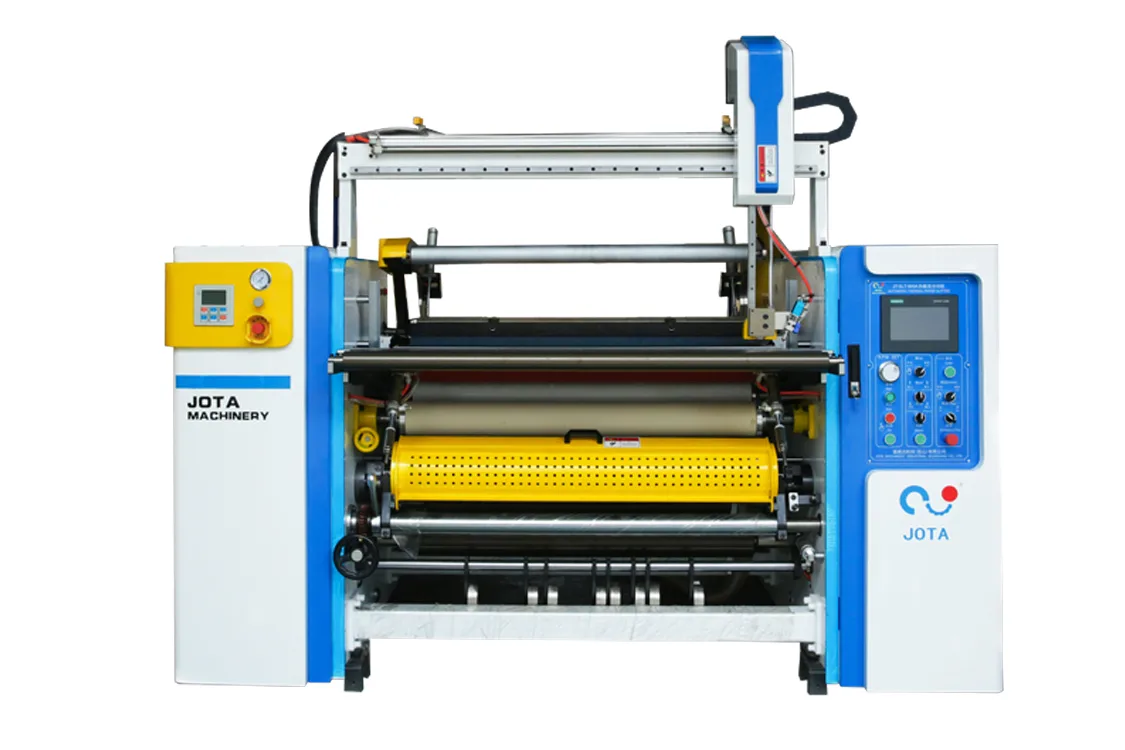
For standard POS and receipt-roll production, thermal paper jumbo rolls are slit and rewound into the required finished widths, diameters and core specifications.
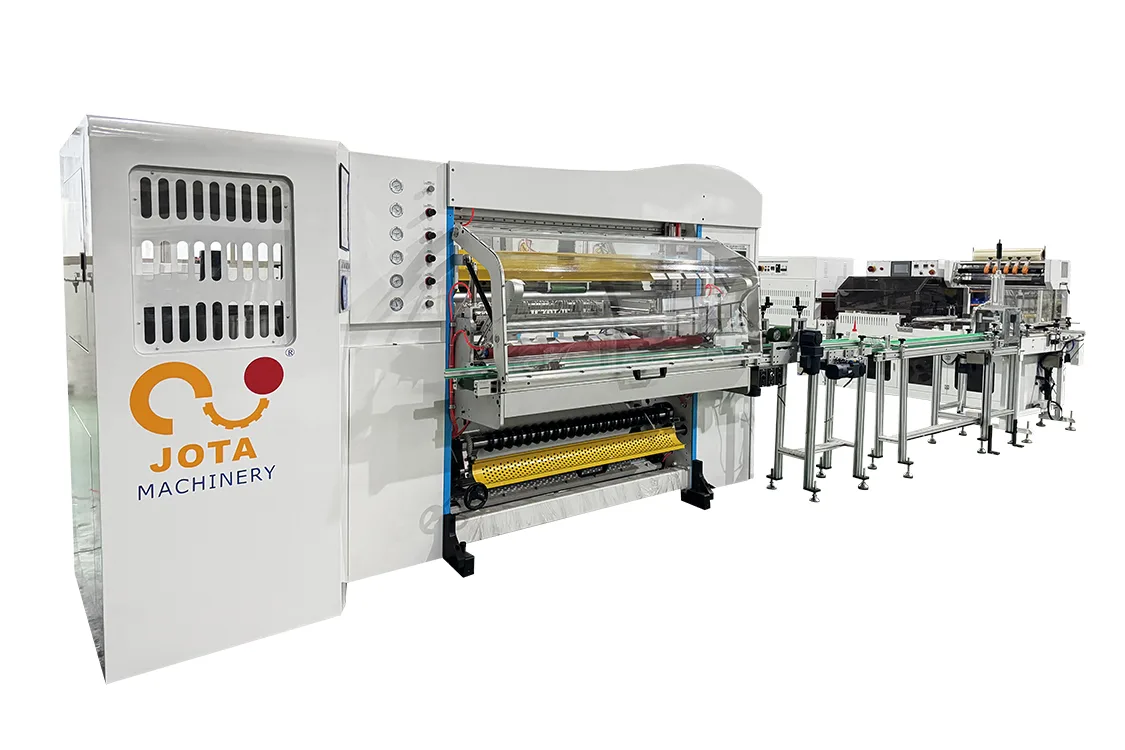
For higher production output, a fully automatic configuration can reduce manual handling and integrate additional roll finishing, packaging or palletizing processes.
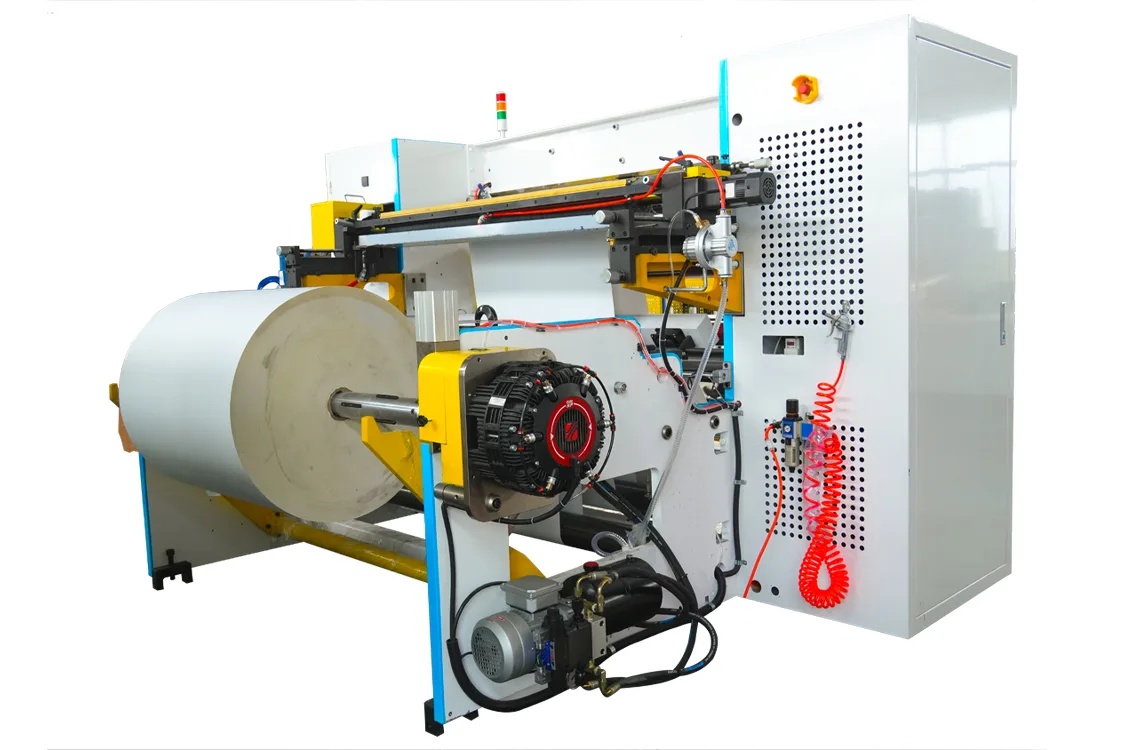
If your rolls require logos or promotional information, inline flexographic printing can be combined with slitting and rewinding in one production process.

Contact Our Team!
Thank you for visiting our website and taking an interest in the our products. We’re looking forward to connecting with you and discussing more about how we can help.

Company address
No 68, Shaojing Road, Economic Development Zone, Kunshan City, Suzhou, Jiangsu Province, China

Email Address

Contact Number
+86-13868814910
