


Introduction
An 80×80mm thermal paper roll is a common receipt paper format used in point-of-sale (POS) printers, cash registers, and receipt printing systems. But what do the two numbers actually mean?
The first number, 80mm, refers to the paper width. The second, 80mm, refers to the finished roll’s outer diameter. These dimensions are important because the roll must fit both the printer’s paper path and its roll compartment.
However, roll size alone does not tell you everything about a thermal receipt roll. Paper thickness, roll length, core diameter, and thermal coating also affect compatibility and performance.
In this guide, we explain how to read thermal paper roll dimensions, what to check before purchasing 80×80mm receipt rolls, and how these specifications relate to the slitting and rewinding process used by thermal paper converters.
What Is an 80x80mm Thermal Paper Roll?
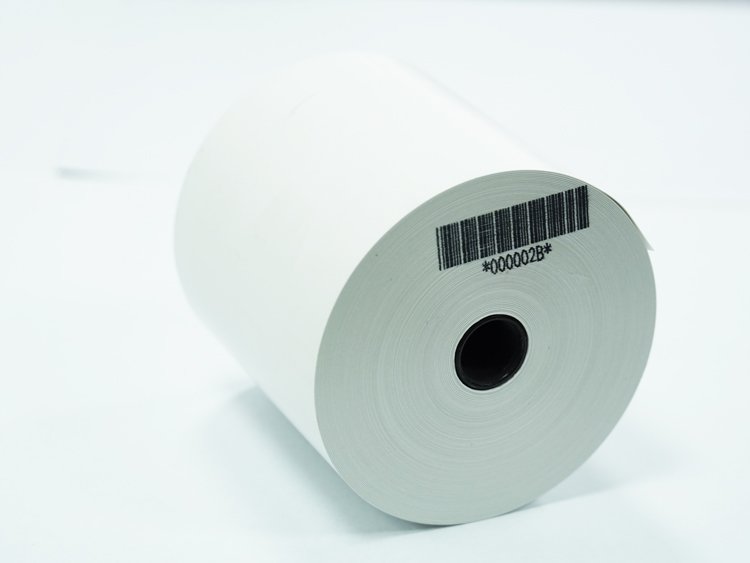
An 80×80mm thermal paper roll is a receipt roll with a nominal paper width of 80mm and a finished outer diameter of 80mm.
It is commonly used in compatible point-of-sale (POS) receipt printers and other thermal printing systems.
The two dimensions describe the roll’s physical size, but they do not specify its total paper length or inner core dimensions.
Understanding the 80×80mm Dimensions
- Paper width: 80mm — The width of the receipt paper measured from one edge to the other.
- Roll diameter: 80mm — The outside diameter of the finished roll.
- Core diameter: The inner diameter of the paper or plastic core, which must match the customer’s equipment requirements.
- Roll length: The total length of paper wound onto the roll. This depends on paper thickness, core dimensions, winding conditions, and the finished roll diameter.
- Paper grade: The thermal paper specification, including basis weight, thickness, and coating characteristics.
How Long Is an 80×80mm Thermal Paper Roll?
There is no single fixed length for every 80×80mm thermal paper roll.
Two rolls with the same width and outer diameter may contain different lengths of paper if they use different paper thicknesses or core sizes.
For example, a roll made from thinner thermal paper may contain more paper than one made from thicker stock, assuming the same outer diameter and comparable winding conditions.
When ordering receipt rolls, confirm the required paper length rather than relying only on the 80×80mm size designation.
Will an 80×80mm Roll Fit Every 80mm Thermal Printer?
Not necessarily.
An 80mm paper width does not guarantee that a printer can accommodate an 80mm outer-diameter roll.
Before purchasing, check the printer manufacturer’s specifications for:
- Supported paper width
- Maximum roll diameter
- Paper thickness requirements
- Core or spindle requirements, where applicable
- Thermal paper grade and loading orientation
For thermal paper converters: These specifications should be confirmed before setting up the slitting and rewinding process, particularly when producing multiple roll sizes for different customers.
Why Is This Size So Popular?
The 80×80mm thermal paper roll is widely used in commercial receipt printing because it provides a practical balance between paper capacity, printer compatibility, and handling convenience.
However, its suitability depends on the printer model and the finished roll specifications.
1. Suitable for Many Commercial POS Applications
The 80mm paper width is commonly used in receipt printers for retail stores, restaurants, supermarkets, and other commercial applications.
An 80×80mm roll can be used when the printer supports both the paper width and the finished roll diameter.
2. Less Frequent Roll Replacement
Compared with smaller-diameter rolls made from similar paper and using comparable core dimensions, an 80mm outer-diameter roll can hold more paper.
This may reduce roll replacement frequency in busy checkout environments.
The actual number of receipts depends on the paper length and the amount of information printed on each receipt.
3. Direct Thermal Printing Convenience
Compatible POS printers use heat to create text and images on the thermal-coated side of the paper.
This eliminates the need for an ink ribbon during normal direct thermal receipt printing.
Print quality still depends on the paper grade, printer settings, printhead condition, and storage environment.
4. Convenient for Bulk Purchasing
For businesses operating multiple compatible receipt printers, using a consistent roll specification can simplify purchasing and inventory management.
However, buyers should verify the complete roll specifications rather than ordering by the 80×80mm designation alone.
5. Suitable for Standardized Converting Production
For thermal paper converters, 80×80mm receipt rolls can be produced from suitable thermal paper jumbo rolls using slitting and rewinding equipment.
Production requirements include consistent paper width, controlled winding, accurate finished roll dimensions, and the specified core configuration.
These factors help converters meet customer specifications and maintain consistency between production batches.
The Importance of Slitting and Rewinding Precision
For thermal paper converters, producing an 80×80mm receipt roll involves more than cutting a jumbo roll into 80mm-wide strips.
The finished rolls must meet the customer’s specifications for paper width, outer diameter, core size, winding quality, and roll length.
Why Does Slitting Accuracy Matter?
During slitting, wide thermal paper jumbo rolls are divided into narrower webs according to the required finished roll width.
Poor cutting conditions can lead to uneven edges, excessive paper dust, or inconsistent roll widths.

Converters should inspect the finished edges and verify roll dimensions against the agreed specifications.
Why Does Rewinding Quality Matter?
Rewinding determines how the slit paper is formed into finished receipt rolls.
Important production considerations include:
- Winding tension: Maintaining suitable tension for the paper grade and finished roll requirements.
- Roll alignment: Keeping the wound paper edges reasonably even.
- Outer diameter: Controlling the finished roll size within the agreed tolerance.
- Core positioning: Ensuring the paper is wound correctly around the specified core.
- Roll consistency: Checking finished rolls throughout production rather than inspecting only the first sample.
These factors can affect roll handling, dispensing, and compatibility with the intended printer.
How Are 80×80mm Thermal Paper Rolls Manufactured?
A typical thermal paper converting process includes:
- Loading a suitable thermal paper jumbo roll onto the unwinding system.
- Slitting the paper into the required widths.
- Rewinding the slit paper into finished rolls.
- Completing the applicable roll separation, unloading, and handling operations.
- Inspecting the finished roll dimensions and winding quality before packaging.
The exact production sequence depends on the slitter rewinder configuration and the customer’s finished roll specifications.
Choosing a Thermal Paper Slitter Rewinder
JOTA Machinery manufactures thermal paper slitting and rewinding equipment for converting jumbo rolls into finished POS receipt rolls.
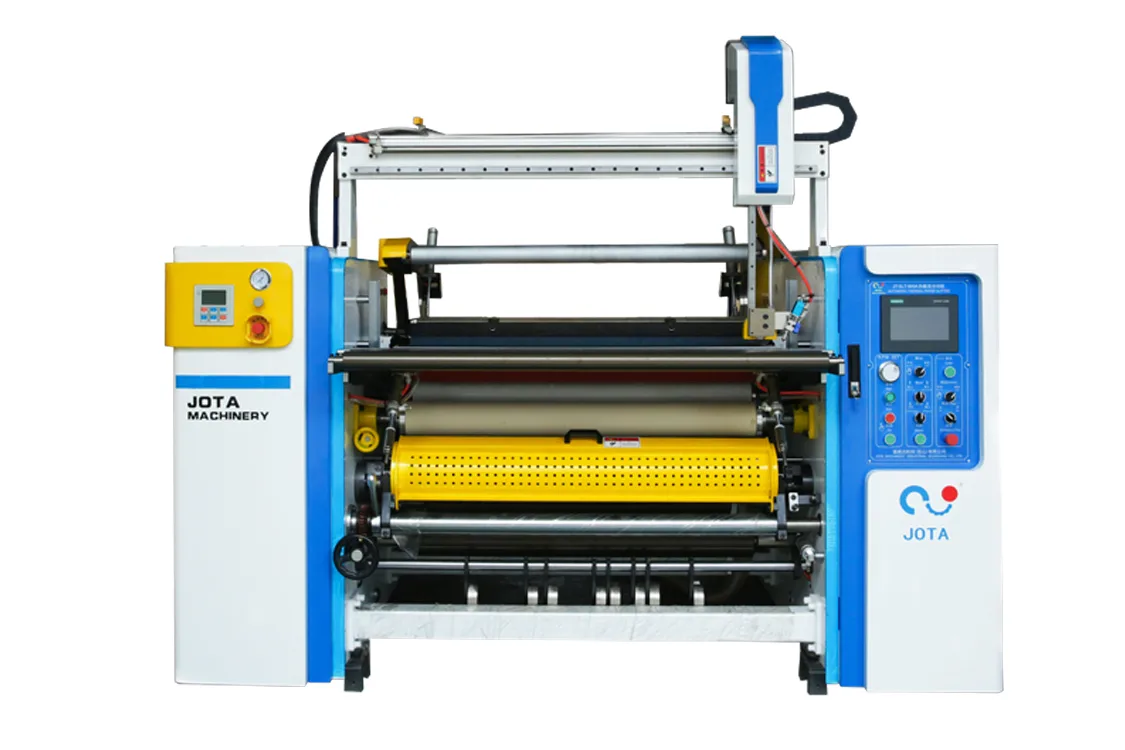
For standard POS and receipt-roll production, thermal paper jumbo rolls are slit and rewound into the required finished widths, diameters and core specifications.
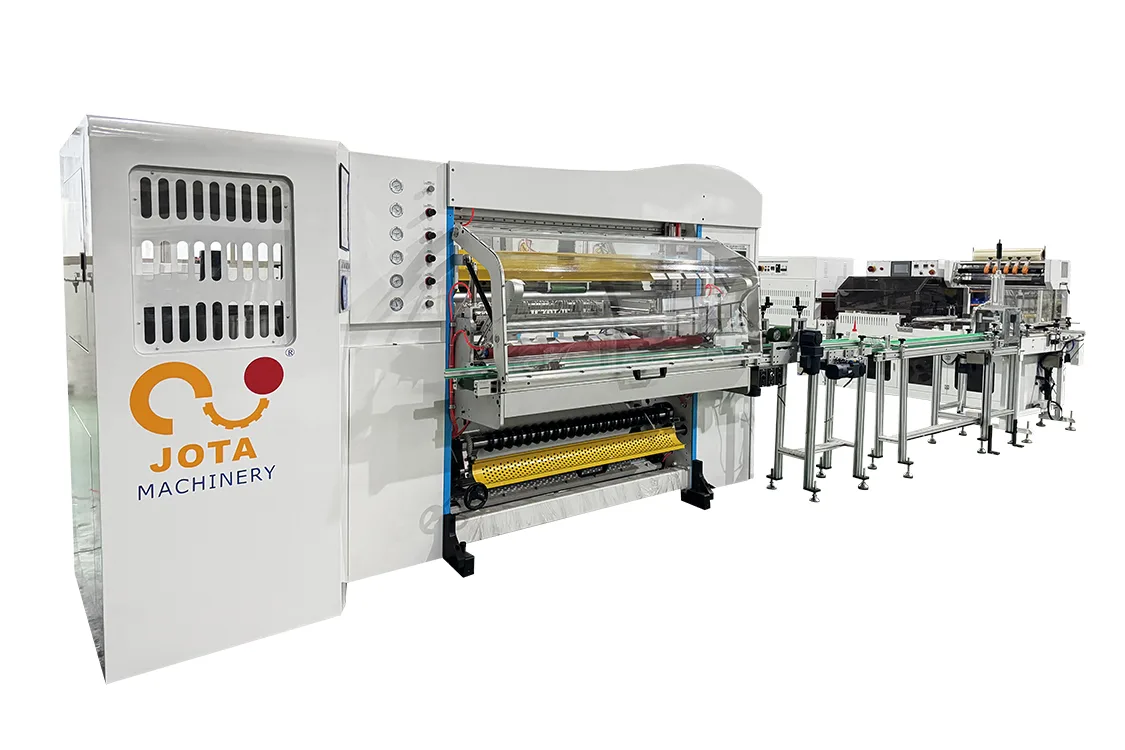
For higher production output, a fully automatic configuration can reduce manual handling and integrate additional roll finishing, packaging or palletizing processes.
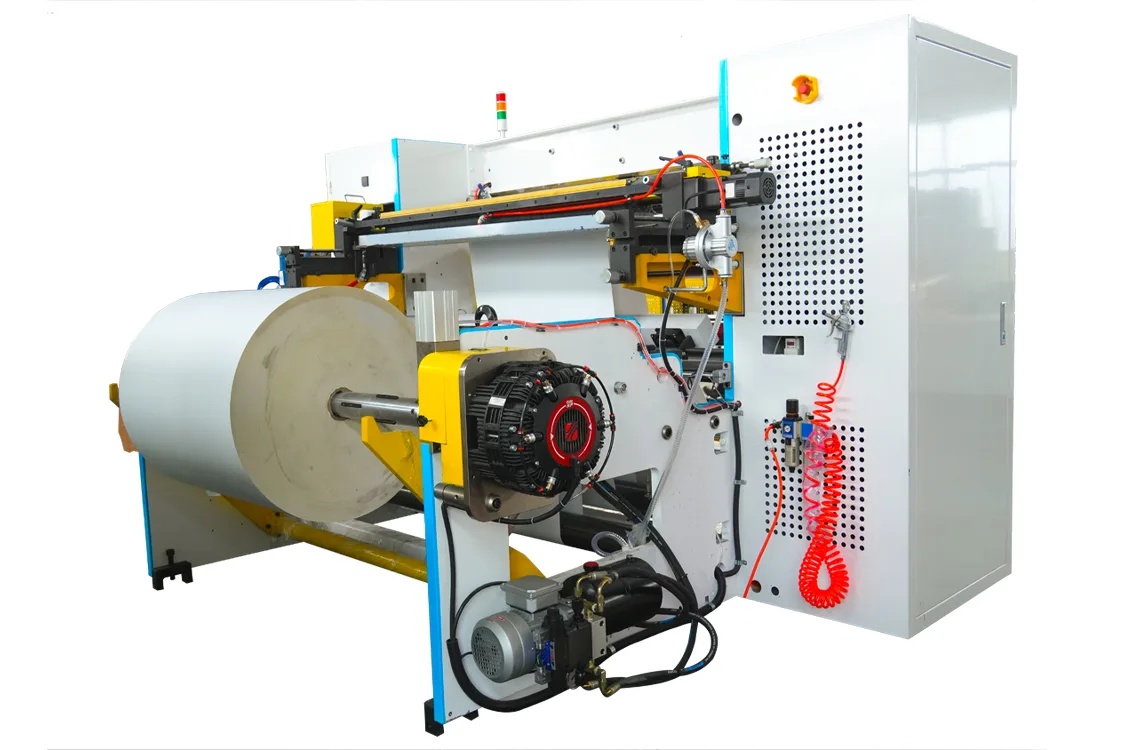
If your rolls require logos or promotional information, inline flexographic printing can be combined with slitting and rewinding in one production process.
Machine selection should consider the jumbo roll width and diameter, paper grade, finished roll specifications, required production capacity, and level of automation.
For converters planning to produce 80×80mm receipt rolls, a machine trial using the intended paper and finished roll specifications can help evaluate cutting quality, winding consistency, and production suitability.
Trusted Suppliers of 80x80mm Thermal Paper Rolls
When sourcing 80×80mm thermal paper rolls, buyers should compare more than the quoted price per roll.
Two products with the same nominal dimensions may differ in paper length, core size, paper grade, and packaging specifications.
What Should You Check Before Choosing a Supplier?
Before placing an order, ask the supplier to confirm:
- Paper width and outer diameter: Verify the finished dimensions and applicable tolerances.
- Roll length: Request the actual paper length rather than assuming all 80×80mm rolls contain the same amount of paper.
- Core specifications: Confirm the inner diameter and core material required by your printer.
- Paper grade: Check the basis weight, thickness, thermal imaging performance, and any required certifications.
- Print quality: Request samples for testing with your intended receipt printers.
- Packaging: Confirm whether the rolls are individually wrapped, packed in bundles, or supplied in cartons.
- Order requirements: Discuss minimum order quantity, lead time, and consistency between production batches.
Why Is Price Per Roll Not Enough?
A lower price does not necessarily mean a lower cost per meter of usable receipt paper.
For a meaningful comparison, buyers should evaluate the paper length, finished roll quality, packaging, and delivery terms alongside the unit price.
For larger orders, a sample inspection and printer compatibility test can help identify specification differences before bulk purchasing.
Are You Planning to Manufacture 80×80mm Thermal Paper Rolls?
Businesses entering the thermal paper converting industry have a different purchasing decision to make.
Instead of sourcing only finished receipt rolls, they need to evaluate thermal paper jumbo roll supply, slitting and rewinding equipment, cores, packaging, and production requirements.
JOTA Machinery supplies thermal paper slitting and rewinding equipment for businesses converting jumbo rolls into finished POS receipt rolls.
If you are planning a new converting operation, define your target roll specifications and expected production requirements before selecting equipment.
Behind the Scenes: Slitter Rewinder Machines
For businesses planning to manufacture 80×80mm thermal receipt rolls, selecting a suitable slitter rewinder is an important production decision.
Different converting operations may require different levels of automation, production capacity, and printing functionality.
What Should You Consider When Choosing a Machine?
Before selecting a thermal paper slitter rewinder, confirm the following production requirements:
- Jumbo roll specifications: Maximum paper width, outer diameter, and paper grade.
- Finished roll dimensions: Required paper width, outer diameter, core size, and roll length.
- Production capacity: Expected output and operating schedule.
- Automation requirements: The preferred method for roll changing, separation, unloading, and handling.
- Printing requirements: Whether the finished rolls require logos, advertisements, or other pre-printed information.
These details help determine which equipment configuration is suitable for the intended production process.
Thermal Paper Converting Equipment from JOTA Machinery
JOTA Machinery manufactures thermal paper slitting and rewinding equipment for different converting requirements.
Our equipment range includes solutions for conventional cored receipt rolls, coreless roll production, and configurations incorporating inline printing.
For businesses producing 80×80mm receipt rolls, machine selection should be based on the actual paper specifications and required finished-roll quality rather than the nominal roll size alone.
Request a Production Trial
Before purchasing equipment, converters can discuss their intended jumbo roll material, finished roll specifications, and production targets with JOTA Machinery.
A production trial using representative materials can help evaluate cutting quality, winding consistency, and the suitability of the proposed equipment configuration.
Planning an 80×80mm thermal paper roll production line? Contact JOTA Machinery with your paper specifications and target output to discuss a suitable slitting and rewinding solution.
Conclusion
An 80×80mm thermal paper roll has a nominal width of 80mm and an outer diameter of 80mm. However, these two measurements alone do not determine its paper length, core dimensions, or compatibility with every thermal receipt printer.
For businesses purchasing finished receipt rolls, confirming the complete specifications is essential. Paper thickness, roll length, core size, and printing performance should all be considered before placing an order.
For thermal paper converters, producing consistent 80×80mm receipt rolls requires suitable jumbo roll materials, accurate slitting, controlled rewinding, and appropriate quality inspections.
JOTA Machinery manufactures thermal paper slitting and rewinding equipment for businesses converting jumbo rolls into finished POS receipt rolls.
If you are planning to establish or expand an 80×80mm thermal paper roll production line, contact our team with your jumbo roll specifications, finished roll dimensions, and target production capacity. We can help you evaluate a suitable equipment configuration.
NO, 68, Shaojing Rd, Economic Development Zone, Kunshan City, Jiangsu Province, China
We are available online from 8:30 AM to 11:00 PM (GMT) to assist with your inquiries.
We are seeking local agents to enhance our service delivery and align with our enterprise strategy.

Contact Our Team!
Thank you for visiting our website and taking an interest in the our products. We’re looking forward to connecting with you and discussing more about how we can help.

Company address
No 68, Shaojing Road, Economic Development Zone, Kunshan City, Suzhou, Jiangsu Province, China

Email Address

Contact Number
+86-13868814910
