


Introduction
Plastics are used in packaging, healthcare, transport and many other sectors because they are lightweight, durable and adaptable. The concern is that some short-lived plastic products become waste quickly, while collection, reuse and recycling systems do not capture all of them.
For this reason, policies often focus on specific single-use products rather than plastics as a whole. This article looks at the environmental case for reducing selected single-use plastics, the limits of common alternatives, and what businesses should consider when reviewing packaging materials.
1. Environmental Impact of Plastic Pollution
Plastic doesn’t biodegrade—it breaks down into smaller and more dangerous pieces called microplastics.
- Over 100 million tons of plastic waste are discarded annually.
- Microplastics contaminate oceans, rivers, and soil, entering the food chain.
- The Great Pacific Garbage Patch, a floating island of plastic waste, covers over 1.6 million square kilometers.
- Plastic blocks storm drains, leading to floods in urban areas like Mumbai and Manila.
Why it matters:
Plastic persists in the environment for centuries. It kills marine animals, destroys habitats, and degrades water quality.
2. Health Risks from Plastic Exposure
Microplastics have been detected in environmental samples and some human samples. However, detecting particles does not by itself establish what health effects a particular exposure may cause. The World Health Organization has identified gaps in the evidence on microplastics and human health, so health claims should be stated cautiously and supported by research that directly addresses the exposure being discussed.
3. Plastics and Climate Change
Plastic is made from fossil fuels. Its production and disposal are energy-intensive.
- Producing 9 plastic bags uses enough fossil fuel to drive a car 0.5 miles.
- Greenhouse gas emissions from plastic production contribute significantly to global warming.
- By 2040, plastic-related emissions could account for 19% of the global carbon budget if current trends continue (OECD).
Why it matters:
Plastic bans help reduce fossil fuel use, cut emissions, and support the transition to a low-carbon economy.
4. Recycling Doesn’t Work
The OECD estimated that 9% of global plastic waste was ultimately recycled in 2019, after accounting for losses during recycling. This is a global estimate for that year; recycling rates vary by product, material and location.
5. The Economic Burden of Plastic Waste
Plastic pollution isn’t free—it’s expensive.
- U.S. cities spend millions of taxpayer dollars annually to clean up plastic waste.
- Cleanup costs average $88 per taxpayer per year in some regions.
- Plastic bags alone cost 17 cents each in public waste management and damage.
Why it matters:
Plastic bans can save municipalities money by reducing landfill use, cleanup efforts, and marine pollution.
6. Wildlife and Biodiversity at Risk
- 1 million seabirds and 100,000 marine mammals die each year due to plastic ingestion or entanglement.
- Plastic fragments block digestive tracts, leading to starvation and internal injuries.
- A 2008 study found a crocodile with 25 plastic bags in its stomach.
Why it matters:
Plastic bans protect ecosystems, preserve biodiversity, and prevent animal suffering.
7. The Case for Behavioral Change
Bans are not just regulatory—they’re cultural shifts.
- After China’s ban, plastic bag usage dropped by 40 billion bags in 4 years.
- In California, bag use fell by 70% within a decade of implementing a plastic bag ban.
- Crowdsourced data shows 25–47% fewer plastic bags in areas with bans or taxes.
Why it matters:
Plastics bans raise awareness, promote reuse, and create a shift in consumption habits. Reusable alternatives like cloth bags, glass containers, and metal straws are now widely accepted.
8. Are the Alternatives Worse?
Critics argue that some substitutes (e.g., paper bags, cotton totes) also have environmental costs.
- A cotton tote must be reused 20,000 times to match the footprint of a plastic bag.
- Paper bags require more water and energy to produce.
However, these concerns don’t outweigh the overall benefits of reducing non-biodegradable plastic pollution. Many alternatives last longer, biodegrade naturally, and are less toxic.
9. Global Momentum for Plastic Bans
Governments worldwide are taking action:
- Over 127 countries have enacted plastic bag bans or fees.
- EU, India, Kenya, and Bangladesh have implemented partial or full bans on plastic packaging and bags.
- UN resolutions are pushing toward a global plastics treaty.
Why it matters:
International cooperation is vital for long-term impact. Your local actions, like supporting bans, contribute to global change.
Can Water-Activated Paper Tape Replace Plastic Packing Tape?
For packaging operations reviewing plastic pressure-sensitive tape, water-activated paper tape is one option to assess. It uses a kraft paper backing with an adhesive activated by water. Reinforced versions may also include glass-fiber reinforcement, so material composition and disposal guidance can differ by product.
Before making an environmental claim, check the tape’s full specification, the carton it is applied to and the recycling guidance in the destination market. Paper-based construction alone does not confirm that every product will be accepted in every recycling system.
Converters producing water-activated tape can slit jumbo kraft-paper tape into finished rolls and add inline flexographic printing where required. Jota Machinery supplies equipment for these converting processes. Share your parent-roll width, finished tape widths, reinforcement type and printing requirements with our team to discuss a suitable machine configuration.
Water-Activated Tape Production Solutions

Produce reinforced water-activated tape by integrating fiberglass yarns with kraft paper. The reinforcement pattern can be configured to meet your tape construction and production requirements.

Convert jumbo rolls of water-activated tape into narrower rolls for use with tape dispensers. The slitting and rewinding setup can be selected according to your roll width and output specifications.
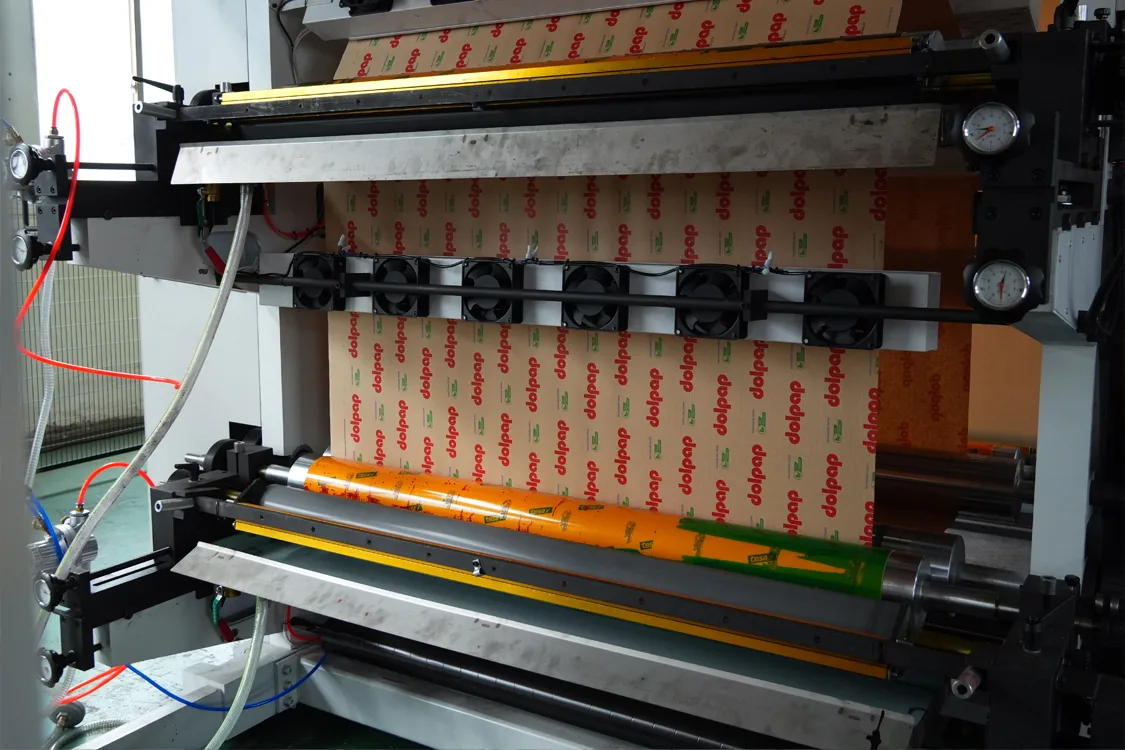
Print logos, instructions, or other designs on water-activated tape and slit it into finished rolls in one production line. Configure the line to match your printing and roll requirements.
Conclusion
Plastics remain useful in many applications, but avoidable single-use products can create waste that collection and recycling systems do not fully capture. Reducing unnecessary items, improving reuse and waste management, and evaluating alternatives against their actual use and disposal conditions can all contribute to better packaging decisions.
For businesses reviewing plastic packing tape, water-activated paper tape is one option to assess based on its material construction, packaging requirements and local recycling guidance.
Sources
- Britannica: Single-Use Plastics Debate
- Conserve Energy Future: Reasons to Ban Plastic Bags
- OECD Global Plastics Outlook
- Greenpeace USA Report
NO, 68, Shaojing Rd, Economic Development Zone, Kunshan City, Jiangsu Province, China
We are available online from 8:30 AM to 11:00 PM (GMT) to assist with your inquiries.
We are seeking local agents to enhance our service delivery and align with our enterprise strategy.

Contact Our Team!
Thank you for visiting our website and taking an interest in the our products. We’re looking forward to connecting with you and discussing more about how we can help.

Company address
No 68, Shaojing Road, Economic Development Zone, Kunshan City, Suzhou, Jiangsu Province, China

Email Address

Contact Number
+86-13868814910
