
An Industrial Perspective on Adhesive Technology, Sustainability, and Packaging Performance
Is water-activated tape better than plastic tape? If you care about secure packaging, a premium brand image, and sustainable operations, the answer may surprise you. More and more forward-thinking businesses are switching to water-activated tape—not just for its eco-friendly benefits, but because it delivers stronger seals, faster application, and a tamper-evident customer experience that builds trust from the first unboxing.
Today, businesses face a critical choice: plastic tape or water-activated tape (WAT)? From a technical, environmental, and cost-performance standpoint, water-activated tape offers clear advantages—especially for companies committed to long-term packaging quality and sustainability.
1. Adhesive Type: Industrial vs. Food Grade
The most fundamental difference lies in the adhesives used:
- Plastic tape uses industrial-grade synthetic glue, typically acrylic or hot-melt rubber-based adhesives. These adhesives are derived from petrochemicals, non-biodegradable, and unsuitable for food-contact packaging. They adhere superficially to box surfaces and can degrade under extreme temperatures or humidity.
- Water-activated tape(also called gummed paper tape), on the other hand, uses natural food-grade starch adhesive. Once moistened, this adhesive penetrates the corrugated fibers of the box and forms a permanent bond. Because the glue is derived from renewable starch sources (like corn or potatoes), it is non-toxic, biodegradable, and safe for food and pharmaceutical applications.
This difference makes paper tape the preferred choice in industries where safety, hygiene, and recyclability are non-negotiable.
2. Bonding Strength and Security
Plastic tape bonds only to the surface of the carton. That’s why multiple strips are often required to seal a single box, particularly for heavier or overfilled packages. Over time or with rough handling, the plastic film may peel off or lose adhesion—leading to shipping risks, product damage, or even theft.
In contrast, paper tape forms a fiber-to-fiber bond with the cardboard. This makes the seal:
- Tamper-evident (any attempt to open the box leaves visible signs),
- Unaffected by dust, temperature shifts, or humidity, and
- Strong enough that only one strip is needed, even for heavy-duty packages.
This enhanced security is why many global e-commerce leaders and logistics companies have shifted to water-activated tape as their default.
3. Sustainability and Recycling Compatibility
Plastic tapes present major recycling problems. Their petroleum-based materials must be separated from cardboard manually. If not, they contaminate recycling batches and contribute to landfill waste and microplastic pollution.
In contrast, WAT is made from kraft paper and starch glue—both biodegradable materials. Cartons sealed with water-activated tape can be recycled as-is, without the need to remove the tape, significantly streamlining recycling operations.

Additionally, many gummed paper tape are made using FSC-certified kraft paper, further ensuring responsible sourcing and environmental compliance.
4. Efficiency and Long-Term Cost Benefits
Though plastic tape appears cheaper at first glance, the real cost emerges in usage:
- You typically need 2–3 strips of plastic tape for a secure seal.
- The tape often fails under pressure, increasing return rates or damage claims.
- Workers spend more time taping boxes, reducing packaging line efficiency.
WAT requires just one clean, centered strip, saving tape consumption and improving operational speed. When paired with automatic dispensers, the process becomes even faster and more ergonomic for high-volume packaging operations.
5. Branding and Presentation
Water-activated tape also allows for superior custom branding. Logos, QR codes, or handling instructions can be printed clearly on the kraft surface. The matte, paper finish also gives a more premium, eco-conscious appearance—perfect for companies that want to reinforce a sustainability-first brand image.
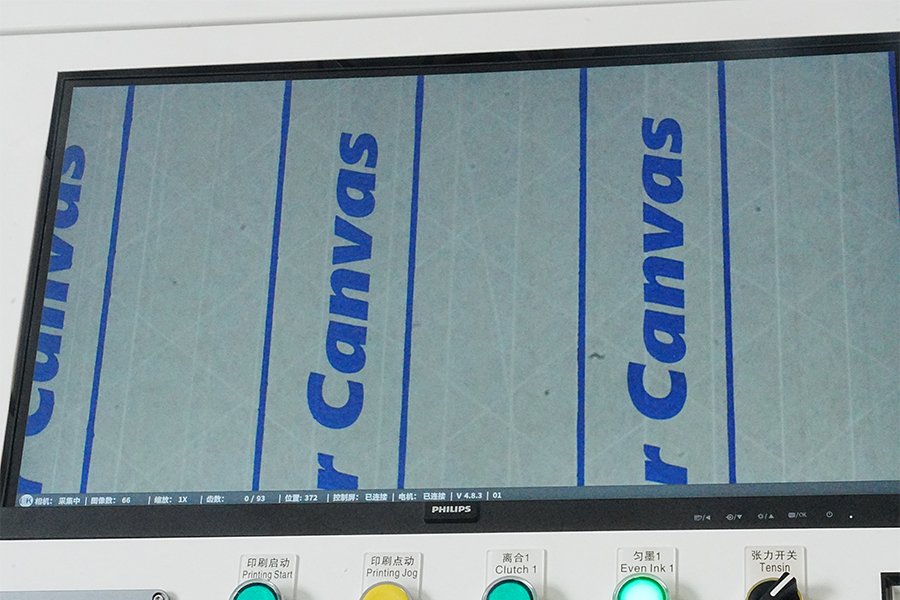
Plastic tape, in contrast, often reflects glare, wrinkles when applied, and rarely holds high-resolution prints without fading or smearing.
Conclusion: A Clear Winner in Modern Packaging
In the debate of water-activated tape vs. plastic tape, the evidence overwhelmingly favors WAT—particularly for companies focused on sustainability, product protection, and operational efficiency.
| Feature | Water-Activated Tape | Plastic Tape |
|---|---|---|
| Adhesive Type | Food-grade starch glue | Industrial synthetic glue |
| Bonding | Fiber-to-fiber, permanent | Surface-only, temporary |
| Recyclability | 100% recyclable with box | Difficult to recycle |
| Security | Tamper-evident | Easy to peel and reseal |
| Application | One strip needed | Multiple strips often required |
| Environmental Impact | Biodegradable, compostable | Petrochemical, polluting |
| Appearance | Printable, premium look | Wrinkled, glossy, less brandable |
For brands aiming to future-proof their packaging, reduce waste, and build consumer trust, investing in water-activated tape is no longer an option—it’s the new standard.
Last Updated on 03/07/2025 by Jota Machinery