
Your Ideal Thermal Paper Business Partner
- Many years of paper slitting machine experience
- Trusted by world top corporation
- Profession sales and technical team
- One stop fully business service


Leading thermal paper slitting machine manufacturer
Jota Machinery dedicated in doing thermal paper slitting business more than 10 year.
Through our efforts, we have become partners of many well-known companies, nearly each country have our paper slitting machine, paper core cutting machine, paper core making machine etc.
We not only provide customized service but also provide fully service for freshman whom want to do thermal paper business. You can contact us for more professional suggestions.

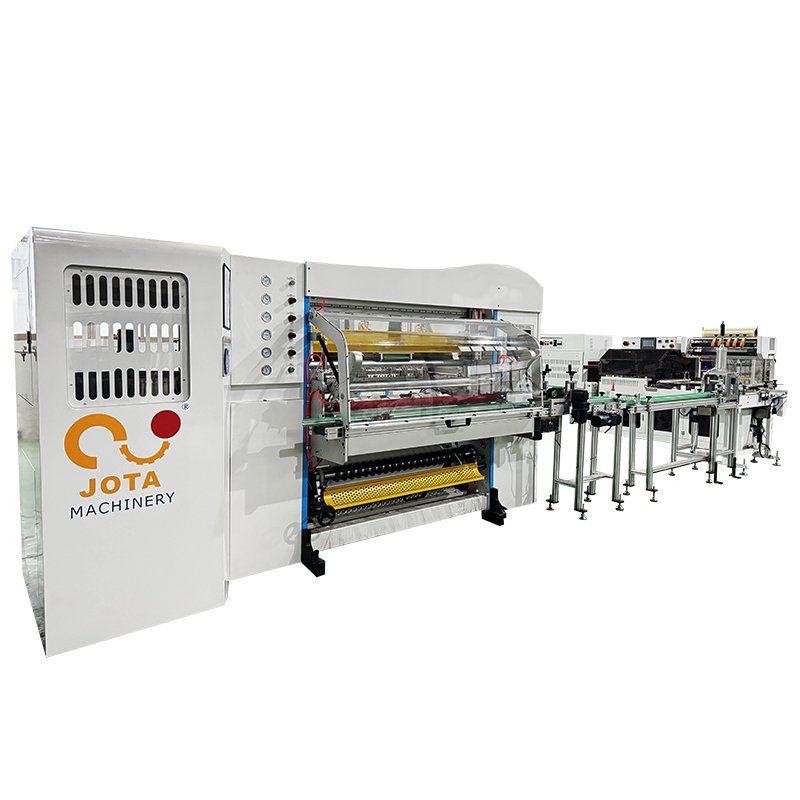


Visable Slitting Machine Quality


Our machine adopts the famous brand of PLC, Electronic parts, cylinder, bearing etc. to ensure the machine running quality.
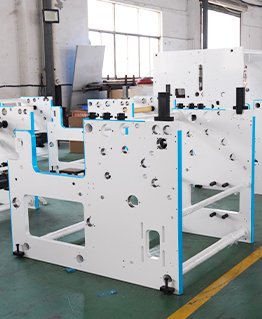
Not only have good configuration but also machine wall is also thickness than others . 45 mm can let you run the machine at high speed.
Jota Machinery's Project
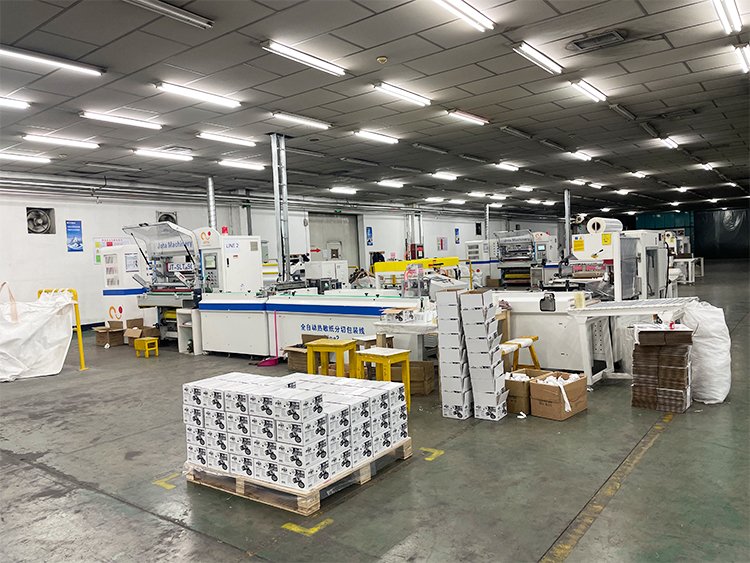
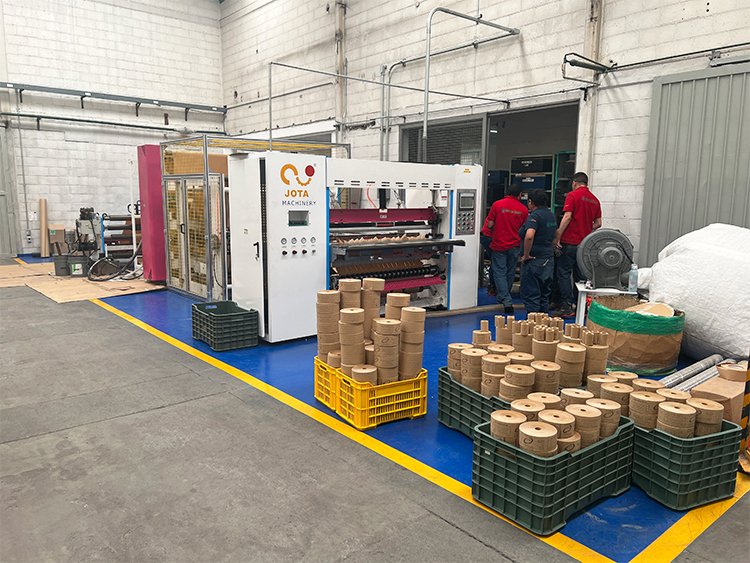

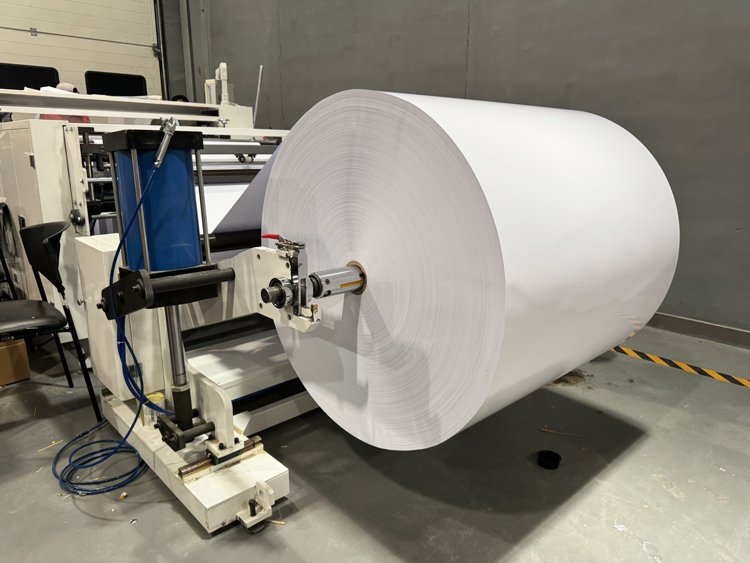

Thermal Paper Printing Slitting Line
- Support Printing And Slitting Synchronous
- Various Width Slitting Rewinding For You Choose
- Famous Brand Machine Parts
- Whole Life Service


45mm Thickness Machine Wall To Ensure The Running Quality
Professional Installation Team
Precision Produced From CNC Center
There Are Tight Connections Between Each Component
- Focus Factory
- Dear Customer
- Professional Team



Around 30-45 days, mainly depends on machine type.
Sure, it is our honor to work for you.
We will offer you some parts as backup, in case any part is broken within one year, we will sent you for free.
Choosing the Right Friction Material for Slitting Machines: Friction Strips vs. Wool Felt
In industrial slitting and rewinding operations, selecting the right friction material is crucial for optimizing production efficiency and ensuring smooth, consistent machine performance. The friction material used in slitting machines plays a vital role in controlling tension, reducing wear, and maintaining overall machine stability. This article explores the key differences between friction strips and wool felt, helping manufacturers choose the best material for their slitting machines based on specific operational needs.
Friction Strips: Ideal for High Tension and Heavy Load Applications
Friction strips, known for their high wear resistance and durability, are commonly used in high-load and high-temperature environments. They are ideal for applications requiring significant tension during production. These friction strips are engineered to withstand the pressures of heavy-duty operations and deliver reliable, consistent performance.
- High Tension Performance: Friction strips provide stable friction under high tension, making them the ideal choice for slitting rigid materials such as composites and thermoplastic prepregs. Common strip widths include 15*3mm and 20*3mm, offering the perfect balance of durability and performance for high-tension applications.
- Superior Wear Resistance: These friction strips excel in wear resistance and can maintain friction for extended periods, even under high temperatures. Their robustness makes them suitable for industries like aerospace and automotive manufacturing, where long-lasting friction is necessary.
- Heat Management and Cooling Systems: When friction strips operate under high tension, significant heat generation occurs. To prevent overheating and ensure consistent performance, water cooling systems are often implemented. These cooling systems dissipate the heat, ensuring that the slitting machines can continue running smoothly during 24/7 operations.
- Case Study: In one of our recent applications, clients who slitted continuous fiber-reinforced thermoplastic unidirectional prepreg faced frequent wear issues with wool felt friction strips. To resolve this, we switched to high-performance friction strips. The result was a marked improvement in wear resistance, reduced maintenance costs, and increased production uptime.
Wool Felt: Perfect for Slitting Flexible Packaging Materials and Low-Tension Applications
Wool felt, made from natural wool or blended with other fibers, offers excellent elasticity and vibration-damping properties. It is widely used in applications where lower tension is required, especially for slitting flexible packaging materials.
- Flexible Packaging Applications: Wool felt is particularly well-suited for slitting flexible packaging materials like paper and film. These materials are softer and require gentle friction to ensure smooth cutting without damaging the material. Wool felt provides uniform friction, reducing the risk of material deformation.
- Low-Tension Performance: Wool felt performs best in low-tension scenarios, providing enough friction to ensure precise slitting while minimizing damage to flexible materials. Its gentle nature prevents unnecessary wear on the material and ensures clean edges.
- Noise Reduction and Vibration Damping: Wool felt also excels in reducing noise and absorbing vibrations during the slitting process, making it ideal for environments where minimizing noise pollution is a priority.
- Cost-Effectiveness: Wool felt is a more affordable option compared to high-performance friction strips, making it a cost-effective solution for manufacturers in need of high-volume production without compromising quality.
- Application Example: Wool felt is commonly used in the flexible packaging industry, including applications for food packaging and medical products. Its ability to provide stable friction and absorb vibrations makes it an excellent choice for these applications, ensuring both precision and efficiency.
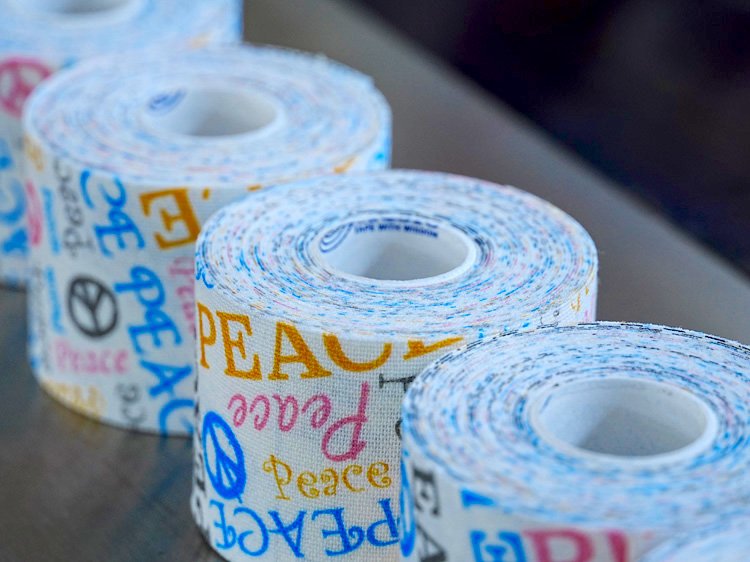
How to Choose the Right Friction Material: Friction Strips vs. Wool Felt
Choosing between friction strips and wool felt depends on various factors, including production requirements, material type, and environmental conditions. Here’s how to determine the best option for your slitting machine:
- Workload and Tension Requirements: If your production involves high-tension materials or heavy-duty operations, friction strips are your best bet. For low-tension applications, such as slitting flexible packaging materials, wool felt provides the ideal balance of gentle friction and durability.
- Temperature and Heat Management: Friction strips are ideal for high-tension applications that generate significant heat. To ensure these friction strips perform optimally, consider implementing a cooling system. Wool felt, on the other hand, generates less heat and is better suited for lower-tension operations without the need for additional cooling systems.
- Cost vs. Performance: While friction strips come at a higher cost, their superior performance and durability in demanding applications make them worth the investment for industries requiring high uptime. Wool felt is a more economical option, suitable for applications where high-volume production is needed at a lower cost.
Conclusion: Optimizing Your Slitting Machine with the Right Friction Material
- Friction Strips: Friction strips are the best choice for high-tension applications, especially in industries where durable, high-performance friction is needed for slitting rigid materials. They provide excellent wear resistance and are designed to operate under extreme conditions, making them ideal for 24/7 continuous production. Common strip widths like 15*3mm and 20*3mm offer reliable performance and longevity.
- Wool Felt: Wool felt is the ideal solution for flexible packaging materials and low-tension applications, offering a cost-effective, gentle friction solution. It provides stable performance for high-volume production environments where cost savings and noise reduction are priorities.
By considering your specific production needs and the unique benefits of each material, you can make a more informed decision when selecting the appropriate friction material for your slitting machine. Properly chosen friction strips or wool felt can significantly enhance your production efficiency, reduce downtime, and extend the service life of your machines, ensuring long-term success.
