
Your Ideal Thermal Paper Business Partner
- Many years of paper slitting machine experience
- Trusted by world top corporation
- Profession sales and technical team
- One stop fully business service


Leading thermal paper slitting machine manufacturer
Jota Machinery dedicated in doing thermal paper slitting business more than 10 year.
Through our efforts, we have become partners of many well-known companies, nearly each country have our paper slitting machine, paper core cutting machine, paper core making machine etc.
We not only provide customized service but also provide fully service for freshman whom want to do thermal paper business. You can contact us for more professional suggestions.

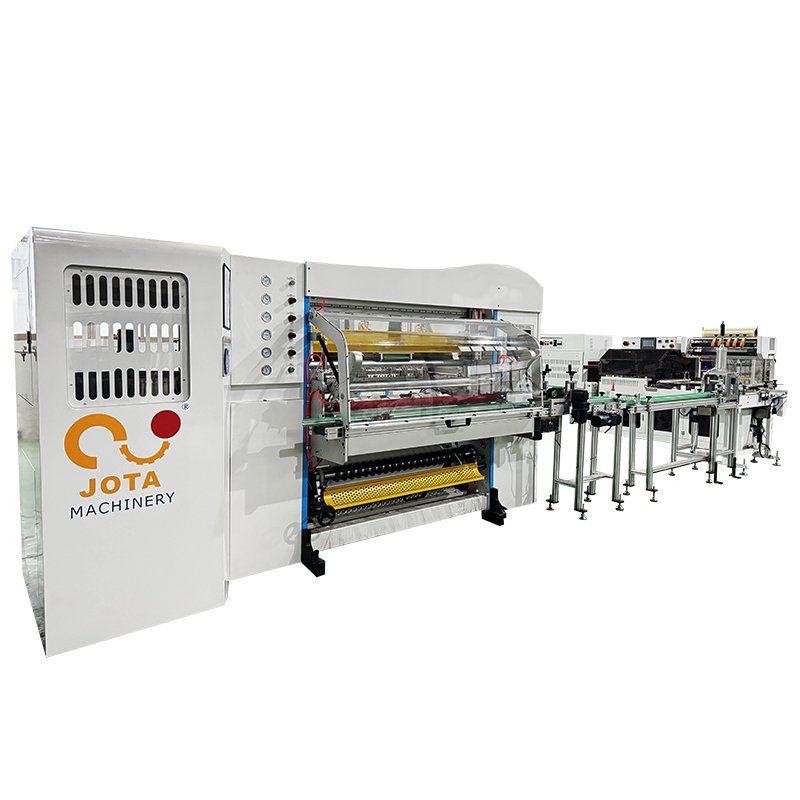


Visable Slitting Machine Quality


Our machine adopts the famous brand of PLC, Electronic parts, cylinder, bearing etc. to ensure the machine running quality.
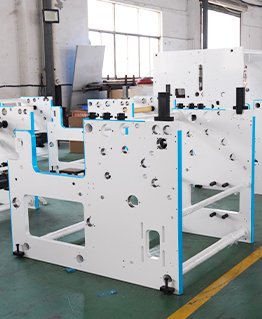
Not only have good configuration but also machine wall is also thickness than others . 45 mm can let you run the machine at high speed.
Jota Machinery's Project
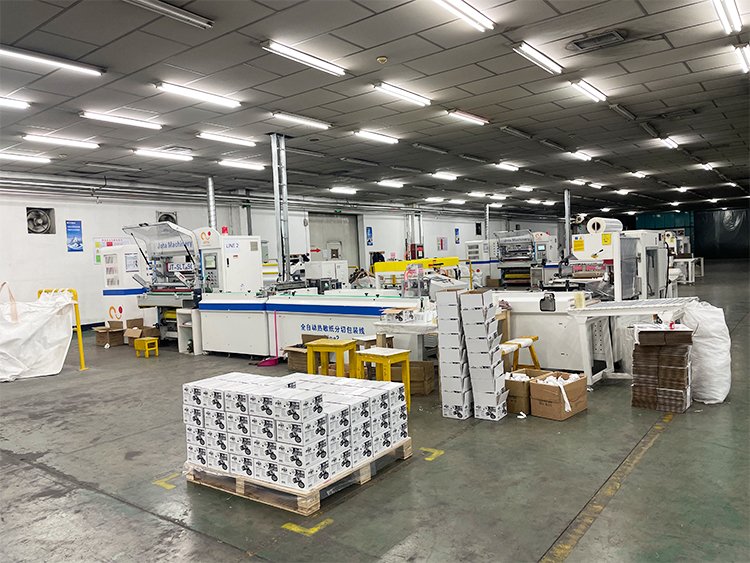
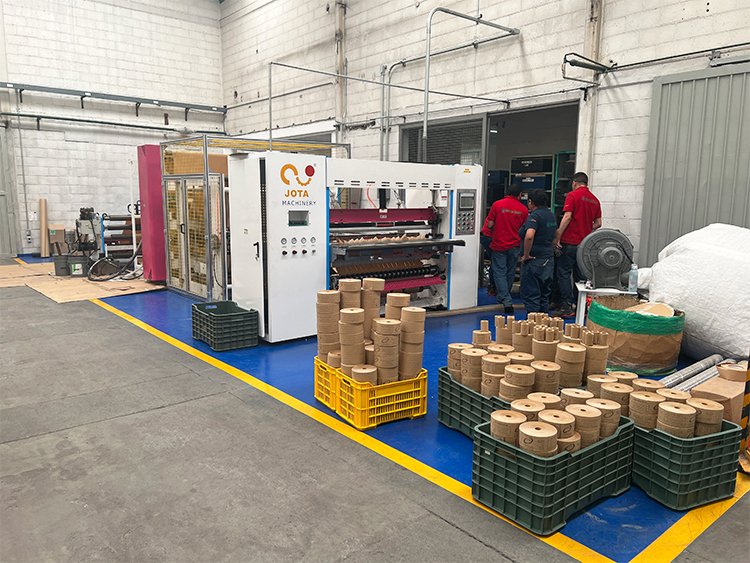

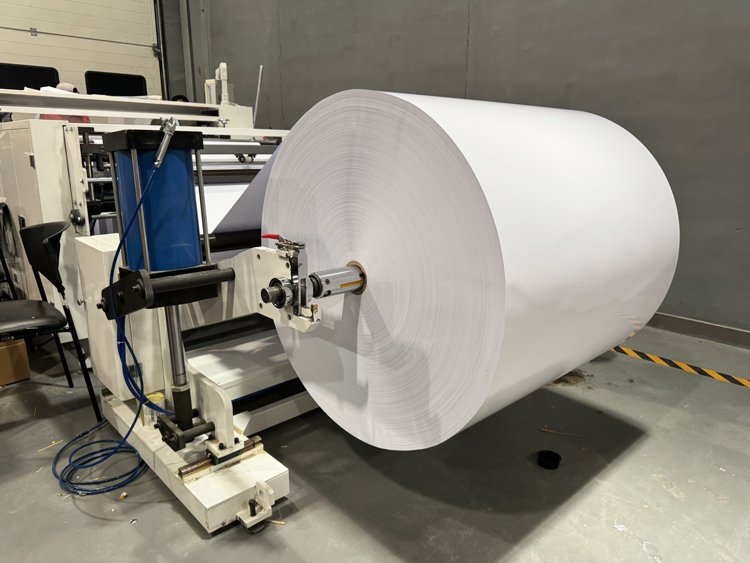

Thermal Paper Printing Slitting Line
- Support Printing And Slitting Synchronous
- Various Width Slitting Rewinding For You Choose
- Famous Brand Machine Parts
- Whole Life Service


45mm Thickness Machine Wall To Ensure The Running Quality
Professional Installation Team
Precision Produced From CNC Center
There Are Tight Connections Between Each Component
- Focus Factory
- Dear Customer
- Professional Team



Around 30-45 days, mainly depends on machine type.
Sure, it is our honor to work for you.
We will offer you some parts as backup, in case any part is broken within one year, we will sent you for free.
Is Thermal Paper Waterproof? Everything You Need to Know
Thermal paper is widely used across various industries for applications such as receipts, labels, and tickets. It offers several advantages, such as being ink-free and providing fast, high-quality prints. However, when it comes to its resistance to water, many people wonder if thermal paper is truly waterproof. In this article, we will explore the properties of thermal paper, its resistance to moisture, and the best options for applications requiring waterproof materials.
What Is Thermal Paper?
Thermal paper is a special type of paper that is coated with a heat-sensitive layer, which reacts when exposed to the heat of a thermal printer’s print head. The heat causes a chemical reaction that turns the surface of the paper black, forming text or images. Unlike traditional printers that use ink or toner, thermal printers rely solely on heat to print on thermal paper, making the process faster, cleaner, and more efficient.
While thermal paper has many benefits, its durability under specific environmental conditions, such as water exposure, is a common concern for many industries.
Is Thermal Paper Waterproof?
No, thermal paper is not waterproof. The paper itself is susceptible to damage when exposed to water, and the print can smudge or fade under such conditions. Thermal paper’s heat-sensitive coating is designed to respond to heat, not moisture, so prolonged exposure to water or high humidity can compromise the quality of both the paper and the print.
When thermal paper gets wet, it can lose its structural integrity, becoming weakened or even tearing. In addition, the chemical coating that creates the printed image can break down, causing the print to fade or become unreadable. This can be a major issue in environments where the paper will be exposed to wet conditions, such as outdoors or in transportation.
Factors That Affect Thermal Paper’s Durability in Wet Conditions
- Exposure Time: Short-term exposure to water may not immediately affect the print, but the longer thermal paper is exposed to moisture, the greater the likelihood of damage.
- Paper Quality: Not all thermal papers are created equal. Some thermal papers are designed with additional coatings that provide a degree of resistance to moisture. However, even these papers are not fully waterproof and may still experience fading or degradation when exposed to water for extended periods.
- Storage Conditions: High humidity or exposure to rain can cause thermal paper prints to deteriorate. It’s important to store thermal paper in cool, dry conditions to prevent any water-related damage.
Water-Resistant Thermal Paper
For specific applications where thermal paper may come into contact with moisture, some manufacturers offer water-resistant thermal paper. This type of paper has a special coating or treatment that helps protect the print and the paper itself from mild moisture exposure. These water-resistant thermal papers are commonly used in applications like outdoor events, shipping labels, or industrial labeling, where some moisture exposure is expected.
It’s important to note that water-resistant thermal paper is not the same as waterproof paper. Water-resistant paper can withstand limited exposure to water but will eventually degrade if submerged or exposed for a prolonged period.
Alternatives for Waterproof Applications
If your application requires true waterproof properties, thermal paper may not be the best choice. In such cases, you can consider these alternatives:
- Synthetic Paper: Synthetic paper, such as polyester or polypropylene, offers excellent resistance to water, tears, and other environmental factors. It is often used for labels and tags in outdoor or high-moisture environments.
- Thermal Transfer Printing on Durable Materials: If you need durability and waterproofing, using thermal transfer printing on materials like vinyl or polyester is an excellent solution. These materials are designed to withstand exposure to water, moisture, and other challenging conditions.
- Waterproof Label Stocks: For industries that need waterproof labels, manufacturers provide specially treated label materials that are designed for use in harsh environments. These labels can withstand exposure to water, oil, and extreme temperatures without fading or peeling.
Conclusion
Thermal paper offers many advantages, such as cost-effectiveness and high-speed printing, but it is not waterproof. Exposure to moisture can damage both the paper and the print. For applications where water resistance is essential, look for water-resistant thermal paper or consider alternative materials like synthetic paper or thermal transfer printing on durable materials.
While thermal paper is an excellent choice for many indoor and dry environments, it’s crucial to assess the specific needs of your application and choose the right material to ensure durability and longevity in wet conditions.
