
Your Ideal Thermal Paper Business Partner
- Many years of paper slitting machine experience
- Trusted by world top corporation
- Profession sales and technical team
- One stop fully business service


Leading thermal paper slitting machine manufacturer
Jota Machinery dedicated in doing thermal paper slitting business more than 10 year.
Through our efforts, we have become partners of many well-known companies, nearly each country have our paper slitting machine, paper core cutting machine, paper core making machine etc.
We not only provide customized service but also provide fully service for freshman whom want to do thermal paper business. You can contact us for more professional suggestions.

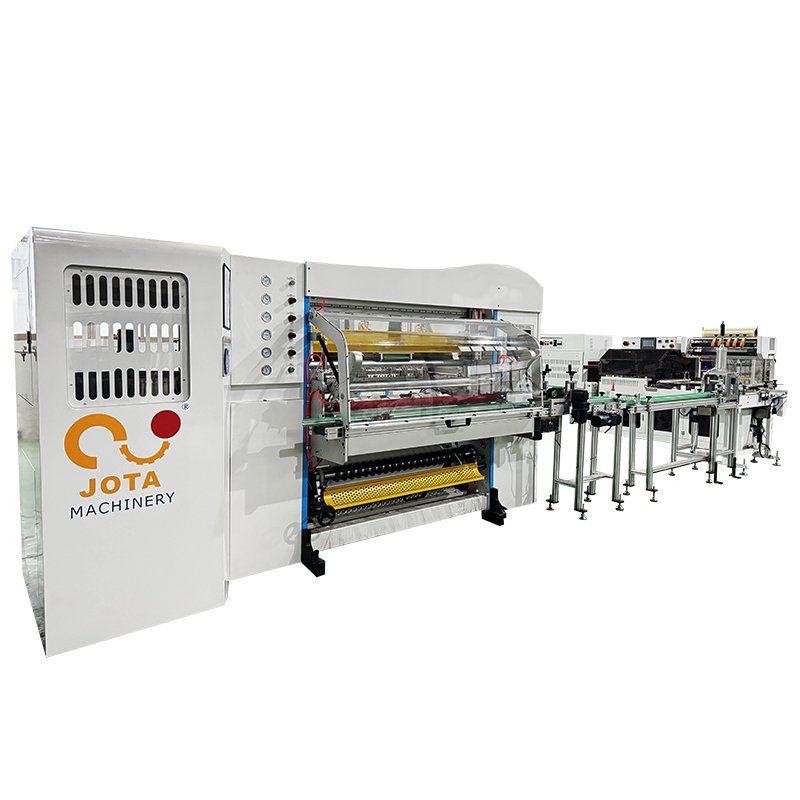


Visable Slitting Machine Quality


Our machine adopts the famous brand of PLC, Electronic parts, cylinder, bearing etc. to ensure the machine running quality.
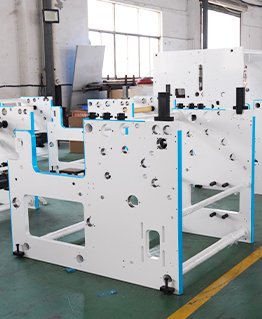
Not only have good configuration but also machine wall is also thickness than others . 45 mm can let you run the machine at high speed.
Jota Machinery's Project
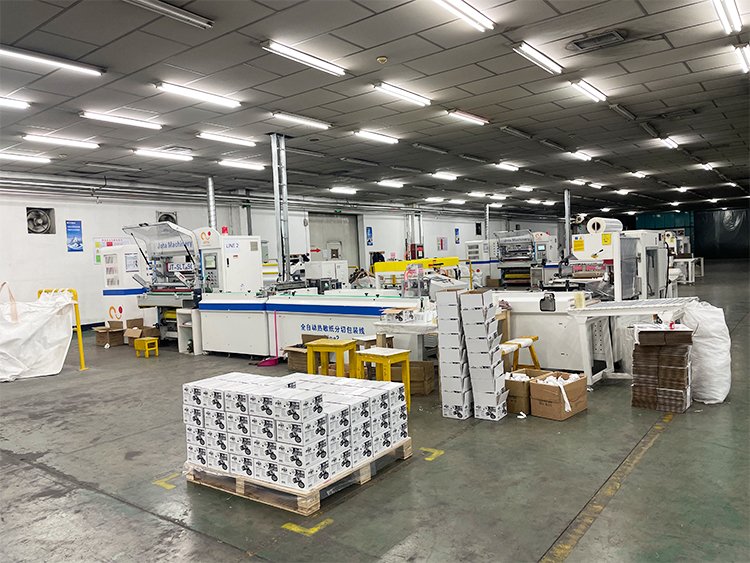
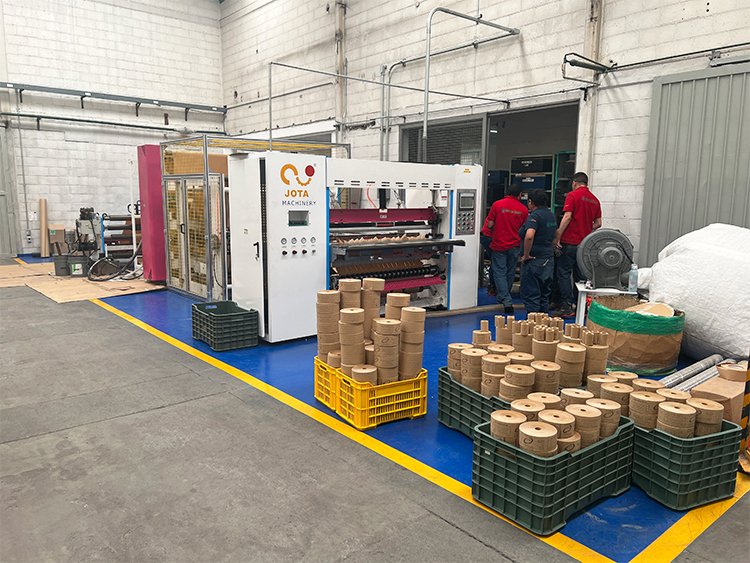

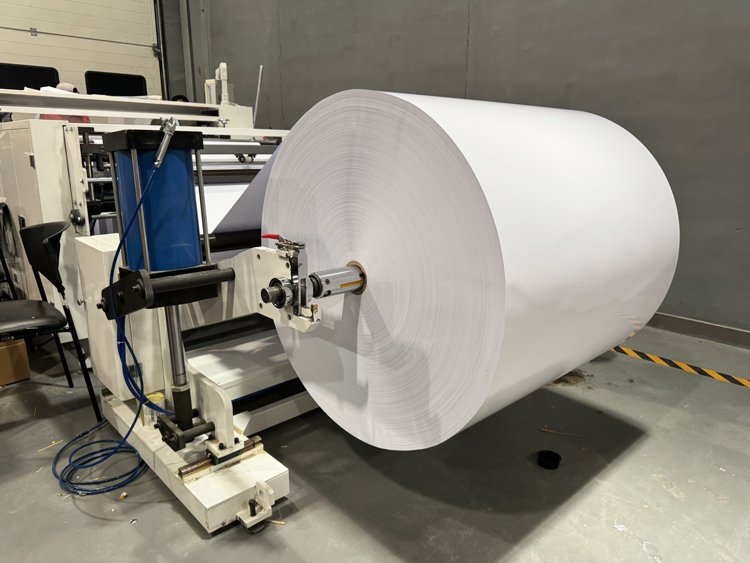

Thermal Paper Printing Slitting Line
- Support Printing And Slitting Synchronous
- Various Width Slitting Rewinding For You Choose
- Famous Brand Machine Parts
- Whole Life Service


45mm Thickness Machine Wall To Ensure The Running Quality
Professional Installation Team
Precision Produced From CNC Center
There Are Tight Connections Between Each Component
- Focus Factory
- Dear Customer
- Professional Team



Around 30-45 days, mainly depends on machine type.
Sure, it is our honor to work for you.
We will offer you some parts as backup, in case any part is broken within one year, we will sent you for free.
The Importance of Slitting Machine Tension Control for Optimal Performance
In the world of precision slitting, the quality of the final product heavily relies on the efficiency and accuracy of the slitting machine tension control system. Whether it’s flexible packaging materials like paper and film, or advanced composite materials, maintaining stable and consistent tension throughout the slitting process is crucial for achieving high-quality cuts, preventing material defects, and improving production efficiency.
At Jota Machinery, our slitting machines are designed specifically for flexible packaging materials and advanced composite materials, ensuring precision and performance in every slitting operation. This article explores the importance of slitting machine tension control, its key components, and the benefits of advanced tension control technologies in modern slitting machines.
What is Tension Control in Slitting Machines?
Tension control refers to the management of the tension applied to the material being fed into the slitting machine. The key goal of this system is to ensure that the material moves smoothly through the machine without slack or excessive tension, both of which can lead to defects such as wrinkles, misalignment, and material breakage.
Slitting machines use both manual and automatic tension control systems. Manual systems require the operator to adjust the tension manually, while automatic systems use sensors to continuously measure the material’s tension and make real-time adjustments to maintain consistent tension.
The Role of Tension Control in Slitting Operations
- Ensuring Consistent Material Quality
Stable tension control ensures that the material remains evenly tensioned as it moves through the slitting machine. This consistency helps in producing high-quality slits with clean edges, preventing defects such as wrinkles, stretch marks, and uneven cuts, which can significantly affect product quality. - Preventing Material Breakage
Excessive tension during the slitting process can cause materials, especially thinner films or sensitive tapes, to tear. Proper tension control prevents this by ensuring that the tension remains within optimal limits, avoiding breakage and reducing material waste. - Improved Winding and Unwinding Efficiency
In slitting machines that involve winding and unwinding operations, tension control ensures that both the receiving and supplying rolls are maintained at the correct tension. This helps in smooth winding without the risk of loose or tight winding, which can lead to further processing issues. - Enhanced Machine Longevity
By maintaining appropriate tension levels, the mechanical parts of the slitting machine are less likely to experience undue strain or wear. This reduces the frequency of maintenance and extends the life of the machine, providing better returns on investment for manufacturers.

Types of Tension Control Systems
- Manual Tension Control
In manual tension control systems, operators adjust the tension based on their observations or preset guidelines. While effective for simple slitting tasks, manual control can lead to inconsistencies, especially in high-speed or high-volume operations. - Automatic Tension Control
Modern slitting machines use automatic tension control systems that rely on tension sensors and feedback loops. These sensors measure the actual tension in real-time and compare it with a preset value. If there are any deviations, the system automatically adjusts the tension to ensure smooth and consistent slitting.- Tension Sensors: These sensors are installed on the rollers or tension zones to detect changes in tension and provide feedback to the control system.
- Closed-Loop Systems: The most common automatic tension control systems use closed-loop feedback mechanisms that adjust the machine’s settings based on real-time measurements.
Benefits of Advanced Tension Control Technologies
- Enhanced Precision and Quality
Advanced tension control systems significantly improve the precision of slitting operations. By eliminating fluctuations in material tension, manufacturers can achieve consistent slit widths, uniform edge quality, and fewer defects, all of which contribute to higher product quality. - Greater Operational Efficiency
With precise tension control, machines can operate at higher speeds without sacrificing quality. This leads to faster production cycles, lower waste, and increased throughput, making the process more cost-efficient. - Adaptability to Various Materials
Different materials, such as flexible packaging materials (paper, film) and advanced composites, have unique tension requirements. Modern slitting machines equipped with adaptive tension control systems can automatically adjust for material type, thickness, and elasticity, ensuring optimal tension throughout the slitting process. - Improved Safety and Reliability
Accurate tension control reduces the risk of equipment malfunction and ensures smooth operation. The automation of tension management also minimizes the need for manual intervention, leading to fewer operational errors and improved safety.
Key Components of a Tension Control System
- Tension Sensors
These are crucial for measuring the tension in real-time. They are often placed near the unwinding and winding rollers to detect any changes in material tension and adjust the machine settings accordingly. - Torque Motors
Torque motors are used in automatic tension control systems to apply the necessary force to the material. They are critical for achieving precise control over the tension and ensuring consistent slitting performance. - Magnetic Powder Clutches
Magnetic powder clutches are used in many slitting machines to regulate the torque applied during unwinding and winding. They are essential for achieving smooth material movement and preventing the material from becoming too tight or too loose. - Variable Frequency Drives (VFDs)
VFDs are used to control the speed of the motors in the slitting machine, ensuring that the material is wound or unwound at the correct speed to maintain consistent tension.

Conclusion
Tension control is an essential aspect of any high-performance slitting machine, especially for flexible packaging materials (paper, film) and advanced composite materials. By maintaining consistent material tension throughout the slitting process, manufacturers can improve product quality, reduce waste, and extend the life of the machine. Investing in advanced tension control technologies ensures that slitting operations are efficient, precise, and adaptable to various materials, making it an indispensable feature in modern manufacturing.
For businesses seeking to optimize their slitting operations, upgrading to a slitting machine with advanced tension control systems is an investment that will lead to higher product quality, increased efficiency, and long-term operational success.
