
Your Ideal Thermal Paper Business Partner
- Many years of paper slitting machine experience
- Trusted by world top corporation
- Profession sales and technical team
- One stop fully business service


Leading thermal paper slitting machine manufacturer
Jota Machinery dedicated in doing thermal paper slitting business more than 10 year.
Through our efforts, we have become partners of many well-known companies, nearly each country have our paper slitting machine, paper core cutting machine, paper core making machine etc.
We not only provide customized service but also provide fully service for freshman whom want to do thermal paper business. You can contact us for more professional suggestions.

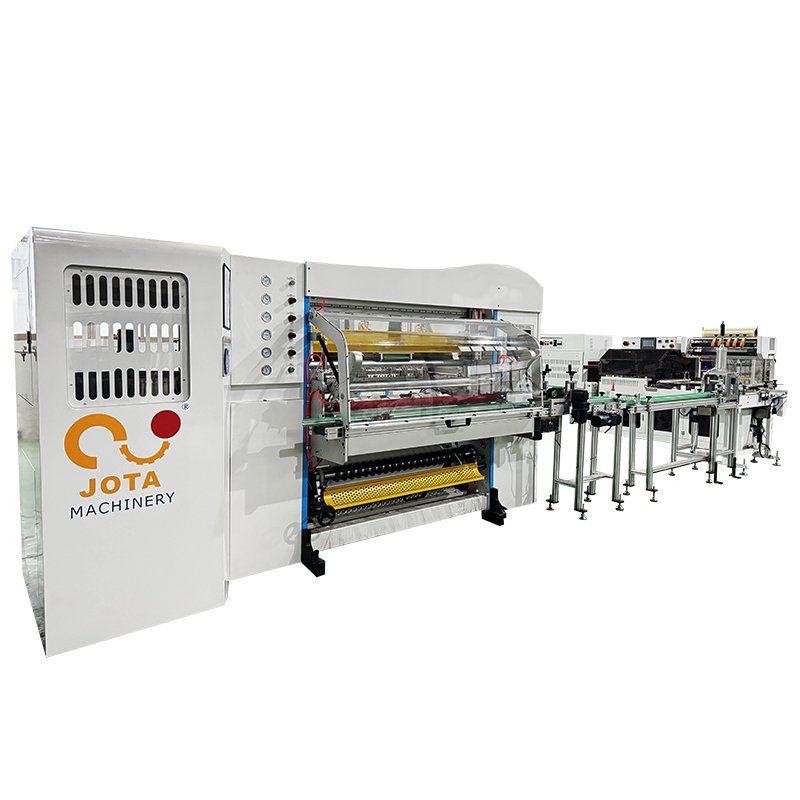


Visable Slitting Machine Quality


Our machine adopts the famous brand of PLC, Electronic parts, cylinder, bearing etc. to ensure the machine running quality.
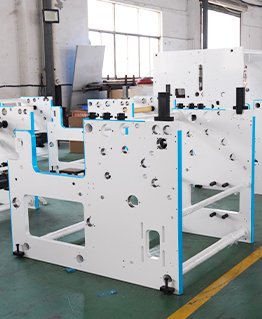
Not only have good configuration but also machine wall is also thickness than others . 45 mm can let you run the machine at high speed.
Jota Machinery's Project
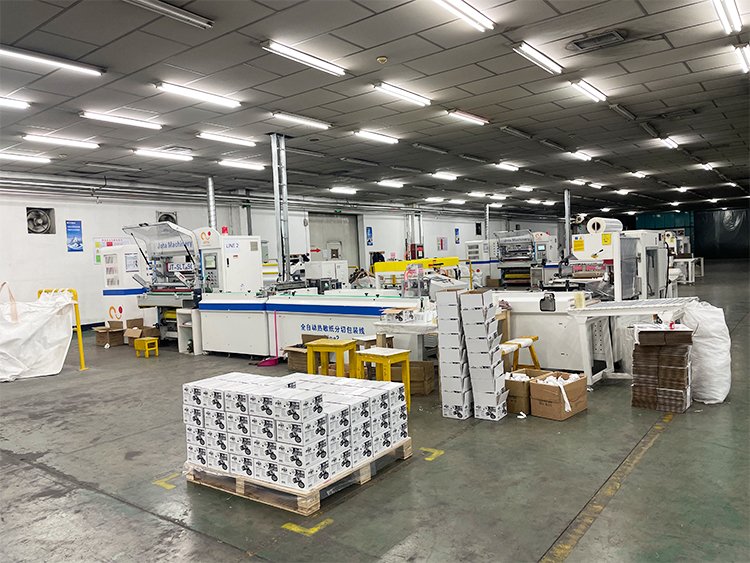
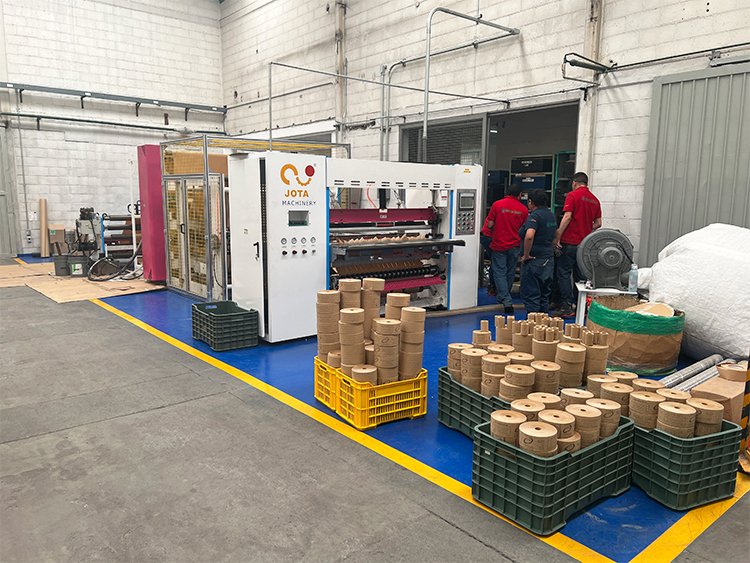

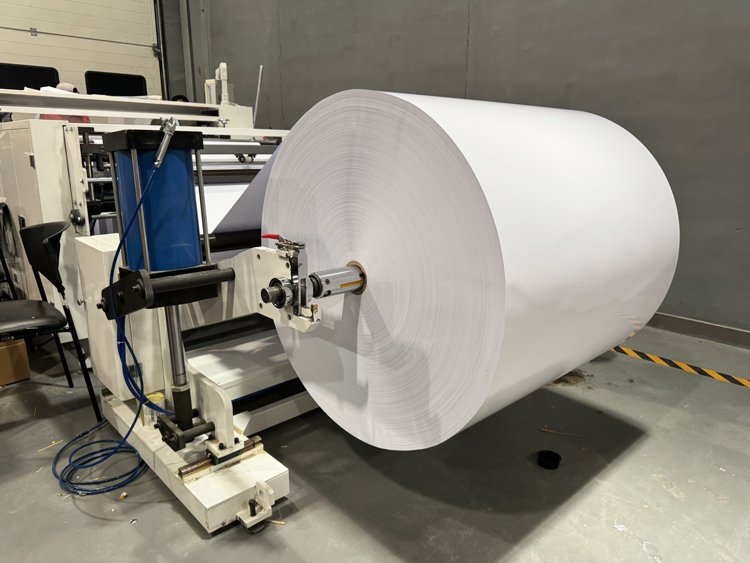

Thermal Paper Printing Slitting Line
- Support Printing And Slitting Synchronous
- Various Width Slitting Rewinding For You Choose
- Famous Brand Machine Parts
- Whole Life Service


45mm Thickness Machine Wall To Ensure The Running Quality
Professional Installation Team
Precision Produced From CNC Center
There Are Tight Connections Between Each Component
- Focus Factory
- Dear Customer
- Professional Team



Around 30-45 days, mainly depends on machine type.
Sure, it is our honor to work for you.
We will offer you some parts as backup, in case any part is broken within one year, we will sent you for free.
Comprehensive Guide to Diagnosing and Fixing Telescoping Paper Rolls in Slitter Rewinder Machines
Telescoping paper rolls are a common challenge in thermal paper processing, particularly in slitter rewinder machines. The misalignment of successive layers during the winding process can lead to off-center rolls, affecting both product quality and machine efficiency. In this article, we delve into the root causes of telescoping, present actionable diagnostic steps, and outline long-term solutions and best practices for mitigating this issue.
Table of Contents
Understanding Telescoping in Paper Rolls
Telescoping in paper rolls is a phenomenon where the roll’s successive layers are not concentrically aligned around the core. Initially, the misalignment might be barely noticeable; however, as the roll builds up, the deviation becomes more pronounced.
In thermal paper processing, especially when using slitter rewinder machines, achieving a perfectly wound roll is critical for product integrity and downstream processing. Telescoping—an effect where the layers of the roll gradually shift off-axis—results in a tapered roll and may compromise machine performance. This guide provides a detailed explanation of the problem, integrates practical troubleshooting methods, and suggests effective strategies to resolve telescoping issues. By understanding these fundamentals, production managers, maintenance teams, and machine operators can implement targeted solutions that enhance both quality and efficiency.
This can lead to several issues:
-
Reduced Product Quality: Off-center rolls may not fit properly in packaging or subsequent processing steps.
-
Increased Material Waste: Misaligned rolls can lead to paper wastage during handling or reprocessing.
-
Machine Downtime: Severe telescoping often requires manual intervention, which can slow down production.
Understanding telescoping is the first step toward diagnosing and correcting the underlying issues in your rewinder operations.
Primary Causes of Telescoping
Telescoping issues usually stem from a combination of factors. In this section, we explore each cause in detail.
Web Alignment and Guide Calibration
Misalignment Issues
-
Description: When the incoming web is not accurately centered onto the roll core, each layer may slightly deviate from the intended path.
-
Impact: Even minor misalignments can accumulate into a noticeable telescoping effect over time.
Calibration Best Practices
-
Regular Checks: Ensure that edge guides and centering devices are routinely calibrated.
-
Core Alignment: Verify that the roll core is securely and precisely mounted.
-
Automation: Consider systems that automatically monitor and adjust for alignment shifts.
Uneven Tension Distribution
Tension Imbalance
-
Description: Paper webs require uniform tension across their entire width. Differences in tension create unequal forces, which force the layers to wind unevenly.
-
Impact: This uneven pull can contribute significantly to the telescoping phenomenon.
Monitoring and Correction
-
Sensors and Feedback: Use advanced tension sensors to track and adjust the tension dynamically.
-
Manual Checks: Regularly inspect the web to detect early signs of tension discrepancies.
Inconsistent Rewinding Speed
Synchronization Errors
-
Description: If the speed of the rewinder does not match the slitter’s output, there can be excess slack or stress on one side.
-
Impact: Misaligned layers result from inconsistent or unsynchronized speeds.
Techniques for Consistency
-
Advanced Motor Controllers: Ensure that both the slitter and rewinder motors are perfectly synchronized.
-
Constant Monitoring: Implement control systems that adjust speed in real time based on sensor feedback.
Mechanical Wear and Component Degradation
Component Reliability
-
Description: Over time, parts such as rollers, brakes, and guides can wear out or become misaligned.
-
Impact: Deteriorating mechanical components cannot control the paper’s path as precisely as new parts, leading to increased misalignment.
Preventative Measures
-
Routine Maintenance: Schedule regular inspections to detect worn or degraded parts.
-
Timely Replacements: Replace any components that show signs of degradation to maintain optimal performance.
Paper Properties and Environmental Effects
Material Characteristics
-
Description: The inherent properties of thermal paper—such as stiffness, moisture content, and flexibility—play a role in how the paper behaves during winding.
-
Impact: Variations in paper properties, sometimes due to fluctuations in ambient humidity or temperature, can exacerbate telescoping.
Environmental Controls
-
Stable Conditions: Maintain controlled environmental parameters (humidity and temperature) in the production area.
-
Quality Assurance: Work closely with paper suppliers to ensure that the material consistently meets quality standards.
Accumulated Winding Stress
Cumulative Effects
-
Description: Even slight variations in alignment and tension, when compounded over hundreds or thousands of layers, can lead to pronounced telescoping.
-
Impact: The stresses introduced in each layer amplify the deviation from the core’s center.
Early Intervention
-
Monitoring: Intervene early by periodically assessing the roll during winding.
-
Adjustments: Make real-time adjustments as soon as deviations are detected to minimize cumulative errors.
Diagnostic Techniques and Troubleshooting
A systematic diagnostic approach is key to identifying the exact cause of telescoping rolls. Follow these steps for a comprehensive troubleshooting process:
-
Initial Visual Inspection:
-
Observe the roll as it is winding to detect any early signs of misalignment.
-
Check if one edge consistently shifts off-center.
-
-
Equipment Calibration Check:
-
Examine the calibration of edge guides and alignment tools.
-
Use precision tools (e.g., digital levels or laser guides) to confirm the centering of the paper web.
-
-
Tension Analysis:
-
Measure tension across various points on the paper web.
-
Look for inconsistencies using manual gauges or automated tension sensors.
-
-
Speed Synchronization Evaluation:
-
Review the motor control settings for both the slitter and rewinder.
-
Test the machines during operation to ensure the speeds are properly synchronized.
-
-
Mechanical Component Inspection:
-
Check rollers, brakes, and guide systems for wear or misalignment.
-
Ensure that all mechanical parts are functioning within manufacturer specifications.
-
-
Environmental Assessment:
-
Monitor ambient conditions in the production area.
-
Confirm that the humidity and temperature levels are within the recommended range.
-
By following this detailed diagnostic process, you can identify which factors contribute most to the telescoping issue in your setup and take targeted corrective action.
Solutions and Best Practices
Once the root causes of telescoping have been identified, implement the following solutions to improve roll quality and overall machine performance.
Regular Machine Maintenance
-
Scheduled Inspections:
Develop a routine maintenance schedule that covers all components of the rewinder machine. -
Component Replacement:
Replace worn-out parts promptly to avoid further degradation. -
Documentation:
Maintain detailed logs of maintenance activities and machine performance to help anticipate future issues.
Advanced Control Systems
-
Automated Tension Control:
Invest in advanced tension sensors and feedback loops that automatically adjust the tension in real time. -
Speed Synchronization Systems:
Utilize digital control systems that ensure both the slitter and rewinder operate in perfect harmony. -
Real-Time Monitoring:
Implement software solutions that provide continuous monitoring and alerts for any deviations.
Operator Training and Documentation
-
Comprehensive Training:
Ensure that all operators are thoroughly trained on the machine’s operation, maintenance procedures, and troubleshooting techniques. -
Standard Operating Procedures (SOPs):
Develop and maintain SOPs specifically addressing alignment, tension management, and speed synchronization. -
Feedback Mechanisms:
Encourage operators to provide feedback based on observed issues and corrective actions. This knowledge can be used to update training and SOPs.
Real-World Case Study
Company Background:
A mid-sized thermal paper production facility experienced frequent issues with telescoping rolls on their slitter rewinder machines, resulting in increased material waste and production delays.
Diagnosis:
-
Initial Observations: Operators noticed a gradual shift in the roll’s layers early in the winding process.
-
Data Analysis: Tension sensors and alignment tools indicated uneven tension and slight misalignment of the paper web.
-
Mechanical Check: Worn-out guide rollers and an out-of-calibration core mount were identified as contributing factors.
Corrective Actions:
-
The company scheduled routine maintenance and replaced the degraded parts.
-
They invested in an automated control system that improved tension distribution and speed synchronization.
-
Operator training programs were updated, resulting in a significant reduction in telescoping issues.
Outcomes:
After implementing these measures, the facility reduced roll defects by over 70%, leading to improved product quality and more efficient production cycles.
Conclusion
Telescoping paper rolls in slitter rewinder machines can significantly impact production quality and efficiency. By understanding the multifaceted causes—ranging from alignment and tension issues to mechanical wear and environmental variables—operators can adopt a methodical approach to diagnose and correct the problem.
Implementing routine maintenance, advanced control systems, and comprehensive operator training are proven best practices that not only reduce telescoping occurrences but also optimize the entire thermal paper processing operation. With careful monitoring, precise calibration, and continuous improvement initiatives, your production facility can achieve consistently high roll quality, reduce waste, and maintain a competitive edge in the market.
