
Your Ideal Thermal Paper Business Partner
- Many years of paper slitting machine experience
- Trusted by world top corporation
- Profession sales and technical team
- One stop fully business service


Leading thermal paper slitting machine manufacturer
Jota Machinery dedicated in doing thermal paper slitting business more than 10 year.
Through our efforts, we have become partners of many well-known companies, nearly each country have our paper slitting machine, paper core cutting machine, paper core making machine etc.
We not only provide customized service but also provide fully service for freshman whom want to do thermal paper business. You can contact us for more professional suggestions.

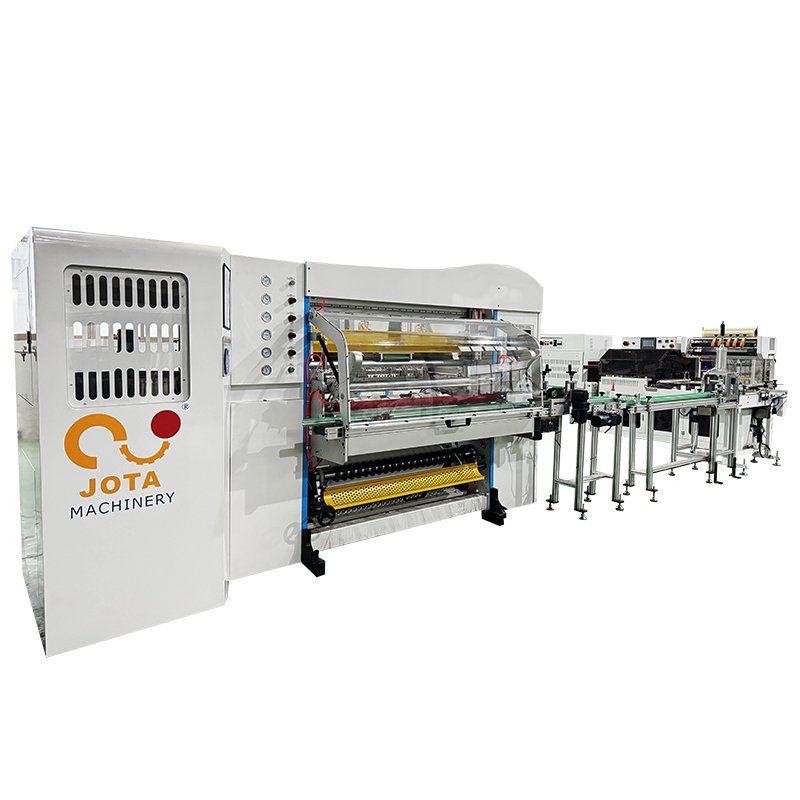


Visable Slitting Machine Quality


Our machine adopts the famous brand of PLC, Electronic parts, cylinder, bearing etc. to ensure the machine running quality.
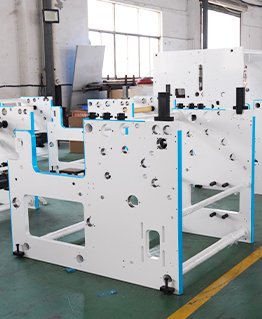
Not only have good configuration but also machine wall is also thickness than others . 45 mm can let you run the machine at high speed.
Jota Machinery's Project
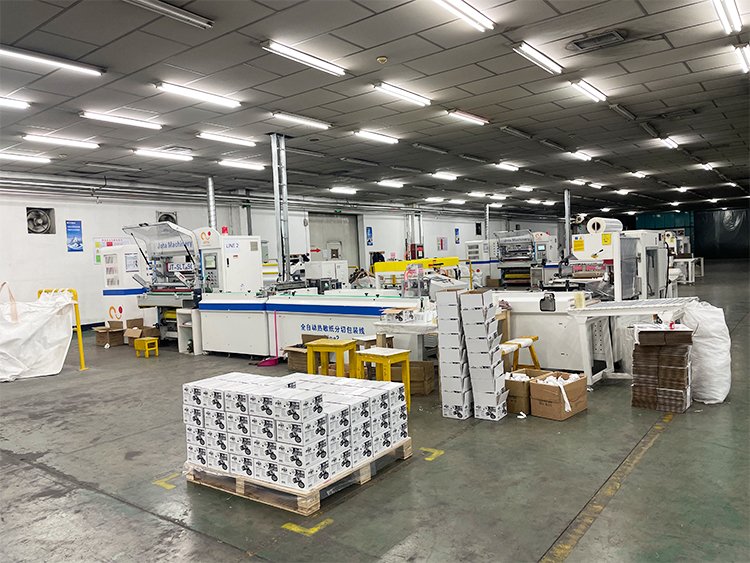
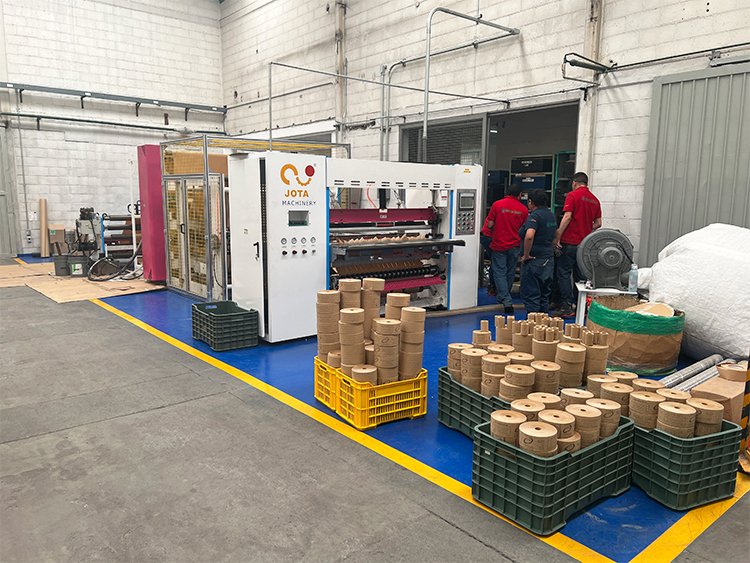

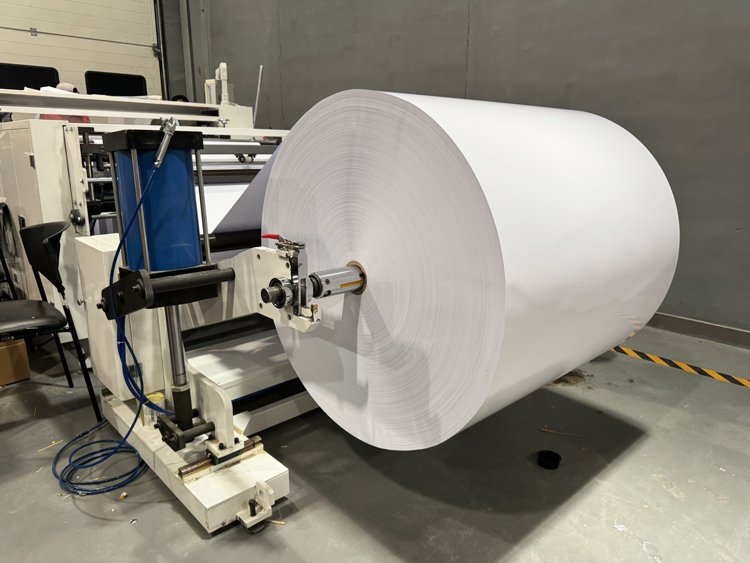

Thermal Paper Printing Slitting Line
- Support Printing And Slitting Synchronous
- Various Width Slitting Rewinding For You Choose
- Famous Brand Machine Parts
- Whole Life Service


45mm Thickness Machine Wall To Ensure The Running Quality
Professional Installation Team
Precision Produced From CNC Center
There Are Tight Connections Between Each Component
- Focus Factory
- Dear Customer
- Professional Team



Around 30-45 days, mainly depends on machine type.
Sure, it is our honor to work for you.
We will offer you some parts as backup, in case any part is broken within one year, we will sent you for free.
Everything You Need to Know About Thermal Paper and Thermal Printers
Thermal printing technology has become a cornerstone of industries like retail, logistics, and hospitality, where speed and precision are key for producing receipts, labels, and tickets. If you’re new to thermal printing or just curious about how it works, this guide will answer some of the most common questions about thermal paper and thermal printers.
Does Thermal Paper Need Ink?
One of the most significant advantages of thermal printing is that it doesn’t require ink. Traditional printers rely on ink cartridges or toner, but thermal printers bypass this by using heat. Thermal paper has a special coating that reacts to heat, changing color when exposed to the printer’s thermal head. This process eliminates the need for ink or toner, making thermal printing both cost-effective and low maintenance. The absence of ink also reduces waste, making thermal printers an environmentally friendly option in high-volume printing applications.
This unique feature also contributes to the printer’s reliability and speed, as there is no risk of ink smudging or running out of toner. For industries that require continuous printing, such as point-of-sale (POS) systems, the use of thermal paper provides a seamless and efficient solution.
How Does Thermal Printer Paper Work?
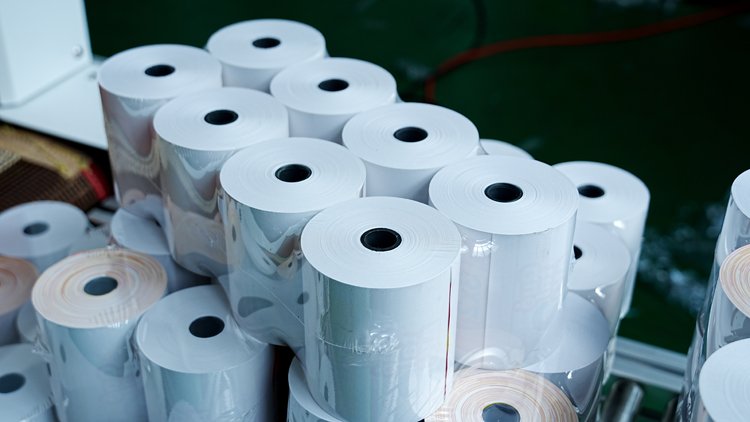
Thermal printer paper works by leveraging heat-sensitive coatings applied to the paper’s surface. These coatings consist of chemicals that react when exposed to the heat from the printer’s thermal head. The print head generates heat in specific areas, and when it touches the paper, it causes a chemical reaction that turns those areas dark—forming text or images.
Thermal paper can be divided into two main types:
- Direct Thermal Paper: This is the most common type used in thermal printers. The paper’s coating reacts directly to the heat from the printer’s print head, forming a print that is sharp and clear. Direct thermal printing is often used for receipts, tickets, and labels that don’t need to last a long time.
- Thermal Transfer Paper: Unlike direct thermal paper, thermal transfer paper uses a ribbon that transfers ink onto the paper surface through heat. This method is more durable, making it suitable for printing barcodes, shipping labels, and other applications that require longevity.
Each type of thermal paper has its strengths, depending on the specific requirements of the application. Direct thermal printing is fast, while thermal transfer printing offers greater durability and color options.
How Long Does Thermal Paper Last?
The longevity of thermal paper prints varies depending on storage conditions and the type of paper used. In general, thermal paper prints can last anywhere from 1 to 7 years. However, they are susceptible to environmental factors such as heat, light, and moisture. Prolonged exposure to sunlight or high temperatures can cause the printed text to fade or discolor, compromising the legibility of the print. Similarly, exposure to moisture or humidity can also degrade the print quality.
To extend the lifespan of thermal prints, it’s recommended to store thermal paper in a cool, dry place away from direct sunlight and extreme temperatures. For example, storing receipts or labels in a sealed container or drawer can help prevent fading over time.
In many cases, the lifespan of the print is not a concern if the material is intended for short-term use, such as retail receipts. However, for applications where long-term legibility is crucial, such as in archival or barcode labeling, thermal transfer printing on more durable paper is often a better choice.
How to Erase Thermal Paper Print?
Erasing thermal paper print is not as straightforward as erasing ink from regular paper, as the print is chemically embedded into the paper’s coating. However, there are a few methods to modify or remove thermal prints, although they often involve some risk of damaging the paper itself.
- Heat Exposure: Applying excessive heat can sometimes cause the print to fade, but this method is not reliable and may damage the paper or cause it to distort. The heat may cause the image to lighten but doesn’t completely erase it.
- Chemical Erasers: Some specialized chemical erasers can partially remove thermal print, but this method is not always effective and can damage the paper’s surface. Chemical erasers might work better on lighter prints, but the risk of compromising the quality of the paper is high.
For most situations, once thermal print has been made, it’s permanent. In cases where you want to alter or modify the print, it’s typically better to print over the original text, though this won’t remove the initial print.
Can Thermal Printers Print on Normal Paper?
While it may seem like thermal printers should work on regular paper, the answer is no. Thermal printers are designed to work with specially coated thermal paper, which is heat-sensitive. Ordinary paper doesn’t have this heat-sensitive coating, so it won’t produce any print when passed through a thermal printer.
However, there are some specialized types of thermal printers—known as thermal transfer printers—that use a ribbon to transfer ink onto regular paper or other materials. These printers are distinct from direct thermal printers, which require thermal paper. Thermal transfer printing can be used on a variety of materials, including paper, plastics, and fabrics, but it’s important to choose the correct type of paper or substrate based on the printer’s capabilities.
If you need to print on regular paper, you’ll have to opt for a different type of printer, such as an inkjet or laser printer.
Conclusion
Thermal printing is a highly efficient, ink-free technology that has transformed the way industries approach printing tasks. Whether you’re using it for quick receipts, durable labels, or specialized applications, thermal printing offers several benefits, including speed, efficiency, and low operating costs. Understanding the nuances of how thermal paper works, its lifespan, and its limitations is crucial when selecting the right printing solution for your business.
As thermal printers become more advanced, they continue to be an invaluable tool across multiple industries. However, it’s essential to handle and store thermal prints properly to ensure they remain legible for as long as needed.
