
Published by Bruce Zhou – Jota Machinery
Publish time: 🕙 Saturday, 20 October 2025 — 17:59 AM (GMT + 8)
The short answer (so you can act today)
- Unused thermal till rolls: plan on 3–5 years of usable shelf life in cool, dry, dark storage. Premium/top-coated grades may reach 7–10 years.
- Printed receipts: the image is typically legible ~7 years under proper storage; premium coatings can stretch up to ~25 years.
- Business recordkeeping: tax retention is a separate issue. Expect 3–7 years depending on jurisdiction and record type—so digitize promptly and keep the digital copy for the full period.
Bottom line: keep unused rolls only as long as they print cleanly (rotate stock). For used rolls, meet legal retention with digital copies, not fragile paper.
Why this question matters
Thermal paper is a chemical system. Heat, humidity, UV, and common chemicals can turn a perfectly good roll into a dark, curling mess—or fade a printed receipt long before your audit window closes. Knowing how long to keep rolls (and how to keep them) saves money, reduces returns, and keeps you audit-ready.
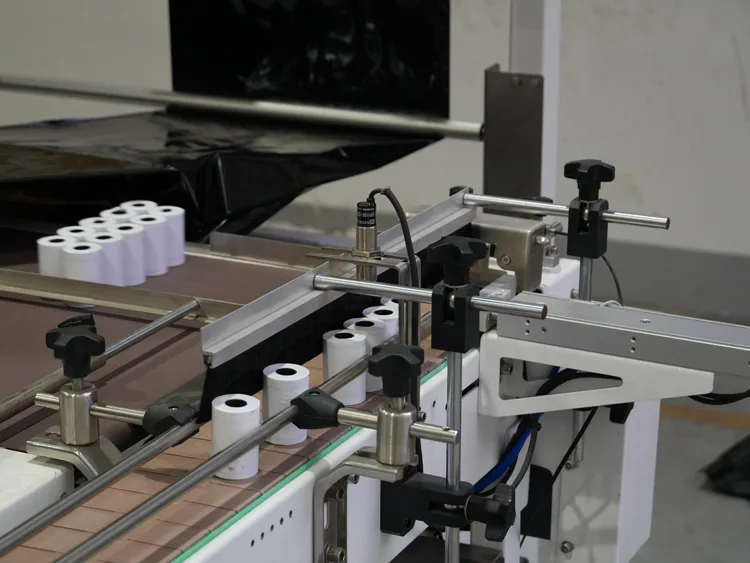
Part 1 — Shelf life of unused cash register till rolls
Most operations should budget for 3–5 years of reliable use from unopened, properly stored thermal rolls. If you stock premium/top-coated or archival-leaning grades, you may see 7–10 years—but only with disciplined storage.
What shortens shelf life?
- Heat: sustained temps >25 °C / 77 °F accelerate coating reactions.
- Humidity swings: >65% RH softens coatings; very low RH causes brittleness/static.
- Light: UV and strong fluorescent light discolor or pre-activate the coating.
- Chemicals: solvents, oils, plasticizers, adhesives, ammonia, and cleaning sprays.
Worst-case: a roll abandoned in a hot car or sunlit window can degrade in days.
The storage window that works
- Temperature: 20–25 °C (68–77 °F)
- Humidity: 45–65% RH
- Light: dark/opaque packaging or closed cabinets
- Position: store upright on their ends, not on the sides
- Practice: keep in original packaging, sealed; FIFO rotation
Part 2 — How long do printed receipts last?
With decent paper and proper storage, plan on ~7 years of legibility for typical POS prints. Some premium top-coated papers cite 10–25 years—but that assumes consistent cool, dark, dry storage away from contaminants.
Do not rely on paper for compliance. Even with good storage, thermal images can fade unpredictably. Treat paper as the first mile of recordkeeping; scan quickly and rely on the digital master.
Part 3 — Recordkeeping vs. shelf life (don’t mix them up)
“How long should I keep till rolls?” often means two different things:
- Unused supply shelf life → 3–5 years (7–10 for premium), assuming proper storage.
- Used/printed record retention → follow tax rules (often 3–7 years), which is independent of shelf life. Paper may not remain readable that long; digitize to be safe.
Practical policy
- Keep a working buffer of rolls (e.g., 6–12 months of consumption).
- Rotate stock (FIFO) every delivery.
- For used rolls/receipts, scan and store electronically to cover the full legal window with confidence.
Part 4 — The tell-tale signs it’s time to purge or repurpose old stock
- Yellow or brown edges on blank rolls
- Hazy/gray background before printing
- Weak contrast on test prints at normal darkness
- Curling, flat spots, or core deformation
- Sticky or dusty surface that fouls printheads
What to do:
- Move questionable stock to low-risk uses (internal logs) or dispose per local recycling/waste guidance.
- Tighten your environmental controls and reduce over-buying.
Part 5 — A simple storage SOP you can paste into your operations manual
Scope: direct thermal till rolls for POS, kiosks, and receipt printers.
- Receive: inspect cartons for heat/moisture damage; log lot and date.
- Room conditions: maintain 20–25 °C and 45–65% RH; keep dark.
- Packaging: keep in original opaque cartons or sealed poly bags; add desiccant in humid seasons.
- Position: store rolls upright on ends; rack off the floor; avoid over-stacking.
- Segregation: keep away from solvents, cleaners, adhesives, PVC, kitchens, windows, and vehicles.
- FIFO rotation: oldest lots first; flag any lot >3 years for test-print review.
- Monthly check: spot-print a sample; look for fade, background darkening, curl.
Part 6 — Retention you can defend: go digital
Thermal paper is not archival. If your retention policy is 3–7 years, the only reliable method is digital archiving of receipts or daily register summaries (Z-reports).
A practical, audit-ready workflow
- Capture quickly: scan daily or weekly (don’t wait months; thermal fades).
- Resolution: 400–600 dpi (thermal prints are low contrast).
- Mode: grayscale or color (not bi-tonal) to preserve faint text.
- Format: PDF/A for long-term, searchable storage; OCR enable.
- Integrity: store in a system that logs who/when/how (immutable, access-controlled).
- Backups: at least 3 copies (on-site, off-site, and cloud), versioned and encrypted.
- Retention clock: keep for the longest applicable requirement in your jurisdiction.
Once the digital record is verified and stored properly, you typically can discard the paper. Confirm with your local regulations and auditor.
Part 7 — Health & handling note you should know
Conventional thermal developers have included bisphenols (BPA/BPS). While many papers are now BPA-free, some use BPS or other phenols. Minimize exposure by:
- Washing hands after handling large volumes of receipts
- Avoiding hand sanitizers right before handling (solvents can affect prints)
- Considering phenol-free media where available
Quick tables you can share with your team
A) How long to keep unused rolls (planning guide)
| Paper Grade | Usable Shelf Life (Typical) | Conditions |
|---|---|---|
| Standard POS thermal | 3–5 years | 20–25 °C, 45–65% RH, dark, sealed |
| Top-coated/premium | 5–7 years | Same, tighter control |
| Archival-leaning/medical | 7–10 years | Same, strict control, vendor-specific |
B) How long to keep used records (policy guide)
| Record Type | Practical Retention | Why |
|---|---|---|
| POS receipts (customer copies) | Per business policy | Offer e-receipts; keep digital duplicates for disputes |
| Till roll summaries / Z-reports | 3–7 years (jurisdiction-specific) | Tax/audit support—digitize for reliability |
| Employment/payroll records | Often 4+ years | Varies by jurisdiction—follow local law |
(Always confirm with your accountant or local authority.)
FAQ
Q: How long should I keep unopened till rolls in storage?
A: Plan on 3–5 years for standard grades if stored cool, dry, dark. Premium/top-coated rolls can reach 5–7+ years.
Q: My printed receipts fade after a year. Is the paper bad?
A: Not necessarily. Heat, light, humidity, or chemicals may be the cause. Improve storage and digitize early.
Q: Can I store spare rolls in my car or near a sunny window?
A: No. A car interior or direct sun can destroy rolls in days.
Q: What’s the safest way to meet the 7-year audit window?
A: Scan and archive receipts/Z-reports in PDF/A, 400–600 dpi, with OCR and secure backups. Treat paper as temporary.
Q: Do I need to keep the paper after scanning?
A: In many jurisdictions, compliant digital copies are acceptable. Confirm locally, then dispose of paper to save space.
A quick checklist you can print
- ☐ Storage is 20–25 °C, 45–65% RH, dark
- ☐ Rolls stored upright, sealed, off the floor
- ☐ FIFO in place; test-print lots older than 3 years
- ☐ No storage in vehicles, kitchens, windows, coolers, or near chemicals
- ☐ Digitize receipts/Z-reports within days, not months
- ☐ Archive to PDF/A, 400–600 dpi, OCR, with 3-copy backups
Jota Machinery: small storage tweaks, big run gains
As a roll-to-roll specialist, Jota Machinery sees storage quality show up on the machine: better storage equals cleaner feeds, fewer jams, crisper contrast, and less dust on printheads. If you’re scaling POS roll converting or need a dialed SOP, we’ll help you pair right-sized slitter-rewing with storage and retention best practices.
Takeaway: Keep unused rolls no longer than they print cleanly (rotate every delivery). For used rolls, digitize and retain the electronic record for the full audit window. That’s how you stay compliant, reduce waste, and keep receipts readable when it counts.
Last Updated on 20/10/2025 by Jota Machinery