
What Is Water Activated Tape
Water Activated Tape (WAT), also known as gummed paper tape or gummed kraft tape, is a sustainable carton sealing tape made from kraft paper and a water-activated starch adhesive. Once moistened, the adhesive bonds directly with corrugated cardboard fibers to create a strong, tamper-evident seal. Compared with traditional BOPP plastic tape, water activated tape supports recyclable paper packaging and has become an increasingly popular solution for e-commerce, logistics, and industrial packaging.

Water Activated Tape Timeline
Early Water-Activated Adhesives
Moistenable gum adhesives were already being used on items such as postage stamps and labels. These early applications established the basic principle of applying water to reactivate a dry adhesive.
First Product Launch
Gummed kraft paper tape began to be commercialized as a practical method for sealing shipping cartons. J. Donald M’Laurin is widely credited with developing and commercializing gummed paper tape for package sealing during this period.
Improved Gummed Tape Technology
New tape constructions and manufacturing methods improved moisture activation, bonding performance, and production consistency. A U.S. patent filed in 1938, for example, described an improved remoistenable gummed tape and its manufacturing method.
Reinforced Water Activated Tape
Manufacturers began incorporating fiberglass filaments between kraft paper layers to increase tensile strength and tear resistance. Reinforced gummed tape made WAT more suitable for heavy cartons, industrial goods, and demanding transportation conditions.
Mechanized Dispensing and Industrial Adoption
Manual and electric water-activated tape dispensers became more widely used in warehouses and packing operations. Controlled wetting and cutting improved application speed, tape-length consistency, and packaging productivity.
Growth in Logistics and Carton-Sealing Applications
As global distribution and parcel shipping expanded, WAT gained greater attention for its strong carton bond, tamper-evident seal, and suitability for medium- and heavy-duty packaging.
E-Commerce Accelerates Demand
Rapid growth in e-commerce increased demand for secure, consistent, and brandable carton-sealing materials. Printed and reinforced WAT became more common in fulfillment centers, export packaging, and direct-to-consumer shipping.
Plastic Reduction and Recyclability Become Key Drivers
Companies increasingly began evaluating WAT as an alternative to plastic pressure-sensitive tape. Interest has been driven by packaging recyclability, plastic-reduction targets, tamper evidence, and the ability of many paper-based WAT products to enter the paper-recycling stream with corrugated cartons. Modern products include plain, reinforced, and custom-printed grades.
Automation and Sustainable Packaging
Future development is expected to focus on lower-impact adhesive formulations, lighter paper structures, improved printing, higher-speed dispensing, and automated carton-sealing systems. WAT is likely to remain an important option for companies seeking to reduce plastic packaging while maintaining secure carton closure.
How Does Water Activated Tape Work
01
Dry WAT Roll
Develop a clear roadmap for your business with our expert strategic planning services.
02
Water activation
Gain valuable insights into your target audience and industry trends through our in-depth market research.
03
Adhesive becomes sticky
Build a strong and recognizable brand identity that resonates with your customers.
04
Adhesive penetrates carton fibers
Develop a clear roadmap for your business with our expert strategic planning services.
05
Strong permanent seal
Gain valuable insights into your target audience and industry trends through our in-depth market research.
Water Activated Tape Construction
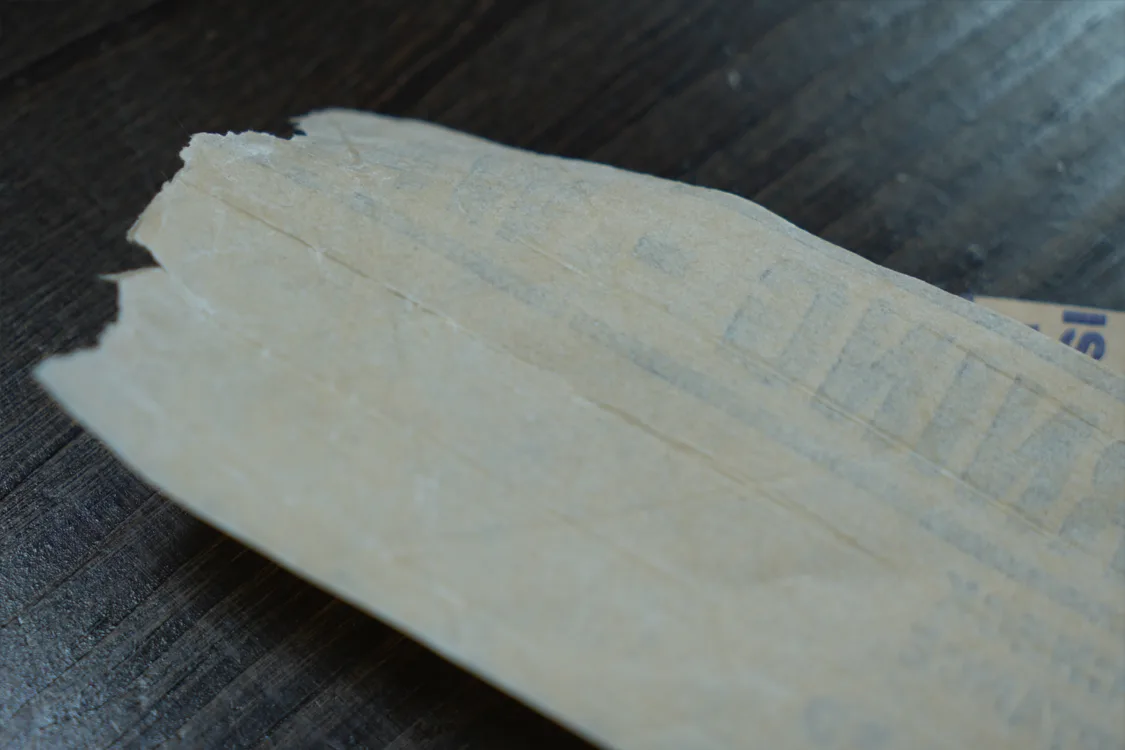
Top Kraft Paper
The top kraft paper layer provides the tape with its strength, printability, and abrasion resistance. It protects the adhesive during handling while offering a smooth surface for custom logos, instructions, or branding.
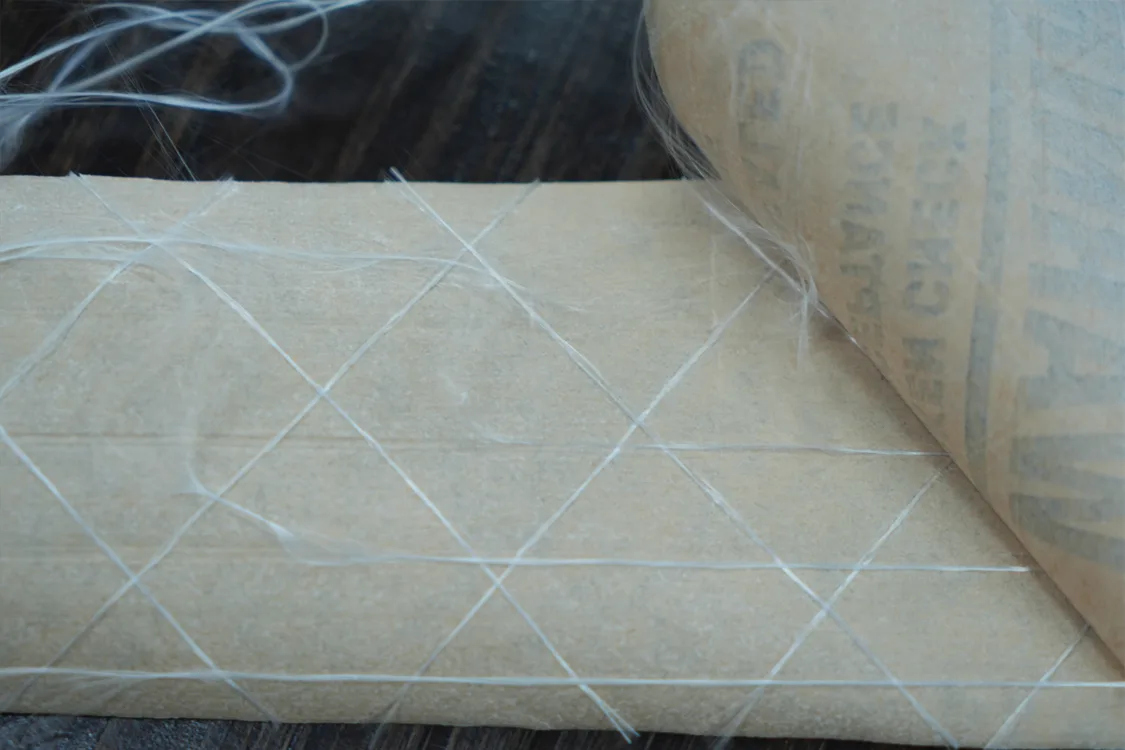
Fiberglass Reinforcement
(Optional)
Fiberglass filaments are embedded between the kraft paper layers to improve tensile strength and tear resistance. Reinforced water activated tape is commonly used for heavy cartons, export packaging, and industrial shipments.
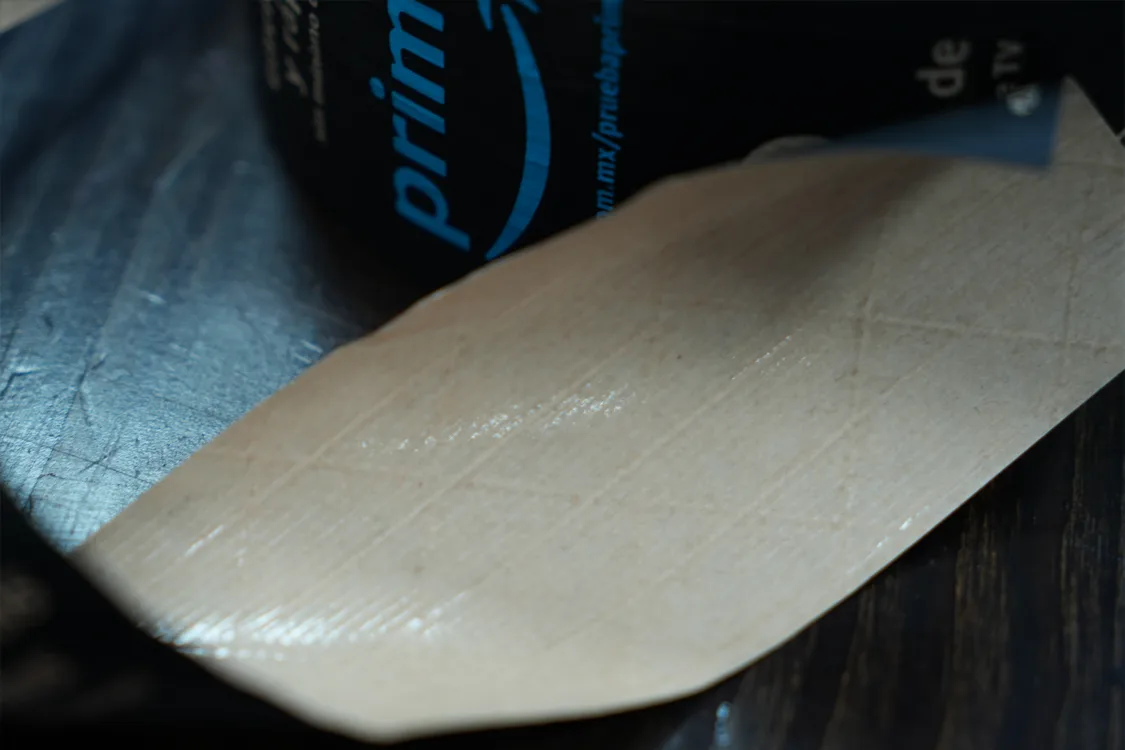
Water Activated Starch Adhesive
The starch-based adhesive remains dry until activated with water. Once moistened, it penetrates the corrugated cardboard fibers and forms a strong fiber-to-fiber bond for secure, tamper-evident carton sealing.
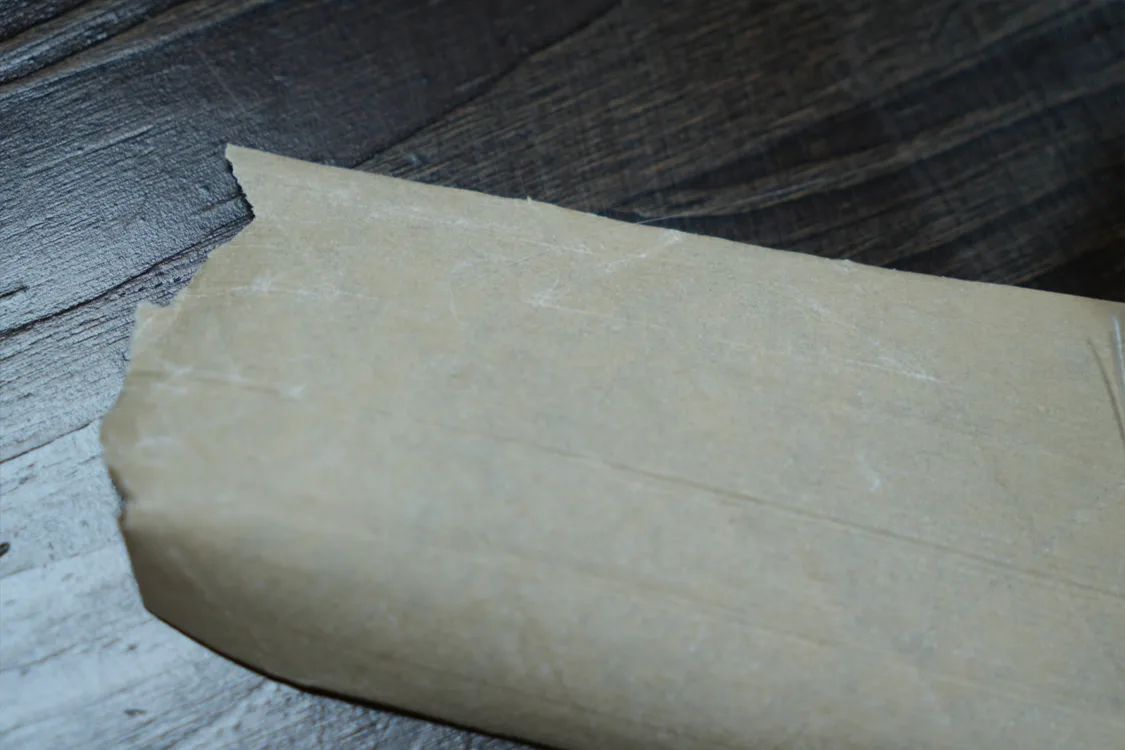
Bottom Kraft Paper
The bottom kraft paper supports the adhesive layer and provides direct contact with the carton surface. Working together with the activated adhesive, it creates a durable seal while remaining compatible with many paper recycling systems.
Water Activated Tape vs Plastic Tape
| Feature | Water Activated Tape | Plastic Tape |
| Backing material | Kraft paper (with optional fiberglass or polyester reinforcement) | Plastic film such as BOPP (polypropylene) or PET |
| Adhesive type | Water-activated starch-based adhesive | Synthetic pressure-sensitive adhesive |
| Activation method | Requires water to activate the adhesive before application | Ready-to-use adhesive surface without water |
| Bonding mechanism | Adhesive penetrates carton fibers and forms a strong fiber-to-fiber bond | Adhesive sticks to the carton surface without penetrating the paper structure |
| Recycling compatibility | Can generally be recycled together with corrugated cardboard | Usually needs to be removed before paper recycling |
| Plastic waste | Reduces plastic packaging waste because it uses a paper-based backing | Creates additional plastic waste after use |
| Tamper evidence | High. Removing the tape often damages carton fibers and shows signs of opening | Lower. Tape can sometimes be removed and reapplied without obvious damage |
| Heavy-duty packaging | Suitable for medium and heavy cartons, especially reinforced kraft tape | Suitable for general carton sealing applications |
| Environmental impact | Supports recyclable packaging systems and helps reduce reliance on fossil-based plastics | Depends on plastic type and recycling conditions; contributes to plastic waste streams |
| Storage conditions | Requires protection from excessive moisture before use | Generally more resistant to humidity during storage |
| Common applications | E-commerce packaging, export cartons, industrial boxes, sustainable packaging | General shipping cartons, retail packaging, logistics applications |
Why Companies Are Switching to Water Activated Tape
Reduce Plastic Packaging Waste
Develop a clear roadmap for your business with our expert strategic planning services.
Improve Packaging Recycling
Gain valuable insights into your target audience and industry trends through our in-depth market research.
Support ESG Goals
Build a strong and recognizable brand identity that resonates with your customers.
Environmental Benefits of Water Activated Tape
Water-activated tape replaces conventional petroleum-based plastic packaging tape with a kraft paper backing and water-activated adhesive. Non-reinforced paper tape can generally remain on the corrugated box during recycling, helping businesses reduce plastic packaging waste and simplify material recovery.
Because it forms a strong bond with carton fibres, one correctly sized strip may replace several layers of pressure-sensitive tape. This reduces unnecessary tape consumption while creating a secure, tamper-evident package.
Reduces Plastic Use
Replaces BOPP or PVC carton-sealing tape with a predominantly paper-based packaging material.
Supports Paper Recycling
Non-reinforced water-activated paper tape can be repulped with the cardboard box, reducing the need for tape removal.
Limits Persistent Litter
Using less plastic tape helps reduce long-lasting plastic fragments and the potential formation of microplastics.
Protects Ecosystems
Lower plastic leakage means less risk of wildlife encountering, ingesting or becoming entangled in discarded packaging materials.
Uses Renewable Materials
Kraft paper can be sourced from responsibly managed forests, while many WAT products use starch-based adhesive systems.
Reduces Excess Tape
Its fibre-tearing bond can secure cartons with fewer strips, improving material efficiency and reducing packaging waste.
Important: Carbon savings depend on the tape construction, paper source, application length, transport and end-of-life treatment. Glass-fibre-reinforced grades should also be checked for local recycling compatibility.
How Water Activated Tape Helps Reduce Packaging Carbon Footprint
Reduced Plastic Production
Develop a clear roadmap for your business with our expert strategic planning services.
Better Recycling Compatibility
Gain valuable insights into your target audience and industry trends through our in-depth market research.
Renewable Raw Materials
Build a strong and recognizable brand identity that resonates with your customers.
Types of Water Activated Tape
Find the Right Tape for Your Packaging
Water-activated tape is available in non-reinforced and reinforced constructions. The right choice depends on carton weight, handling requirements, transport distance and the level of sealing strength required.
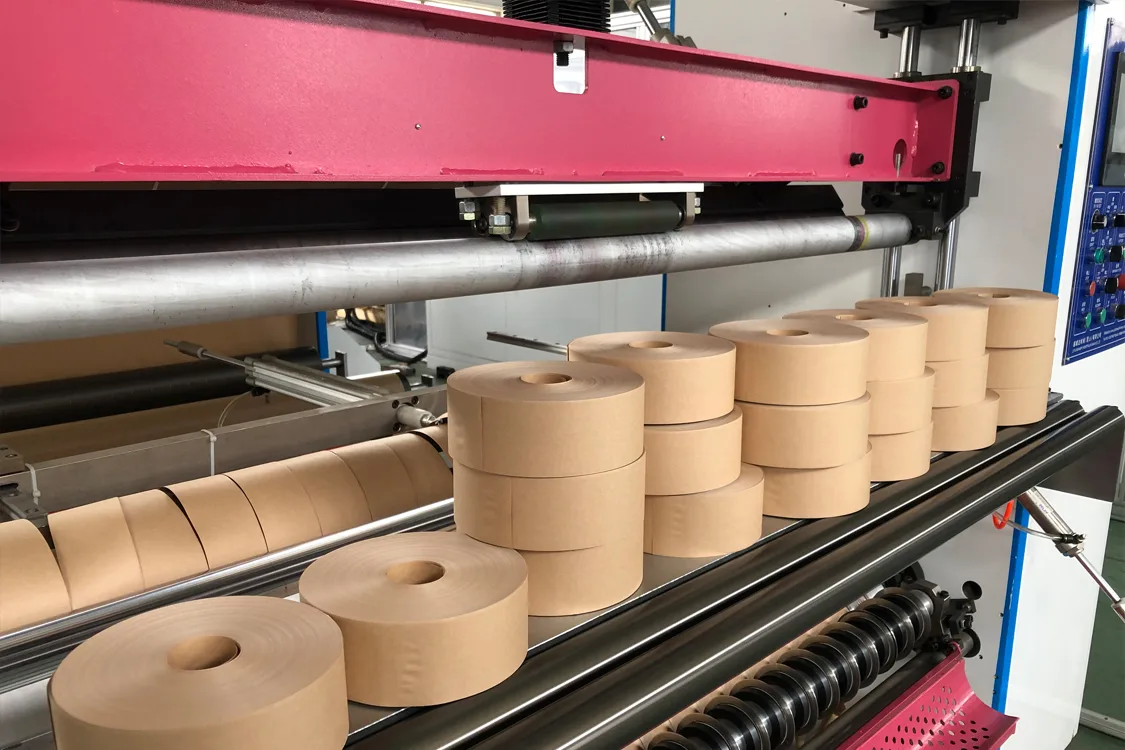
Non-Reinforced Water Activated Tape
Made from kraft paper coated with a water-activated adhesive, this tape is suitable for lightweight and standard cartons. It provides a clean, tamper-evident seal and can generally be recycled with the corrugated box.

Reinforced Water Activated Tape
Reinforced with embedded fibreglass filaments for greater tensile and tear resistance, this tape is designed for heavy cartons, long-distance transport and demanding distribution environments.
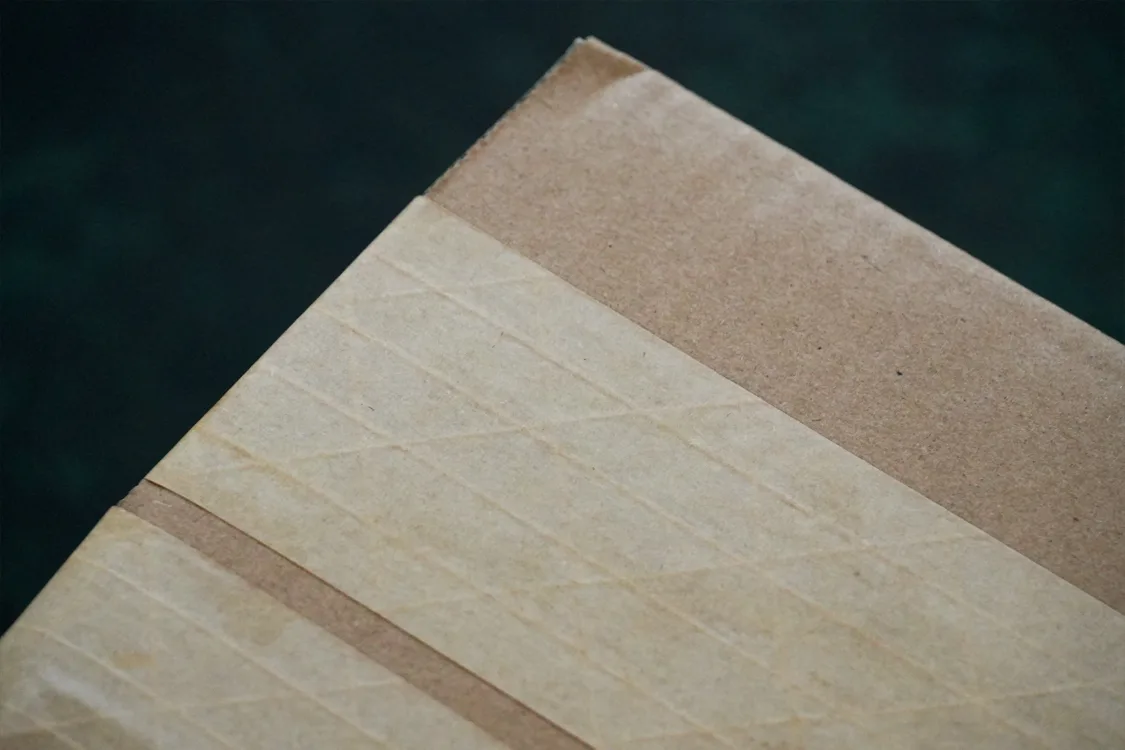
Reinforced Water Activated Tape
Designed for heavy cartons and demanding distribution conditions. Embedded reinforcing fibres provide higher tensile and tear resistance, making it suitable for long-distance shipping, export packaging and packages exposed to rough handling.
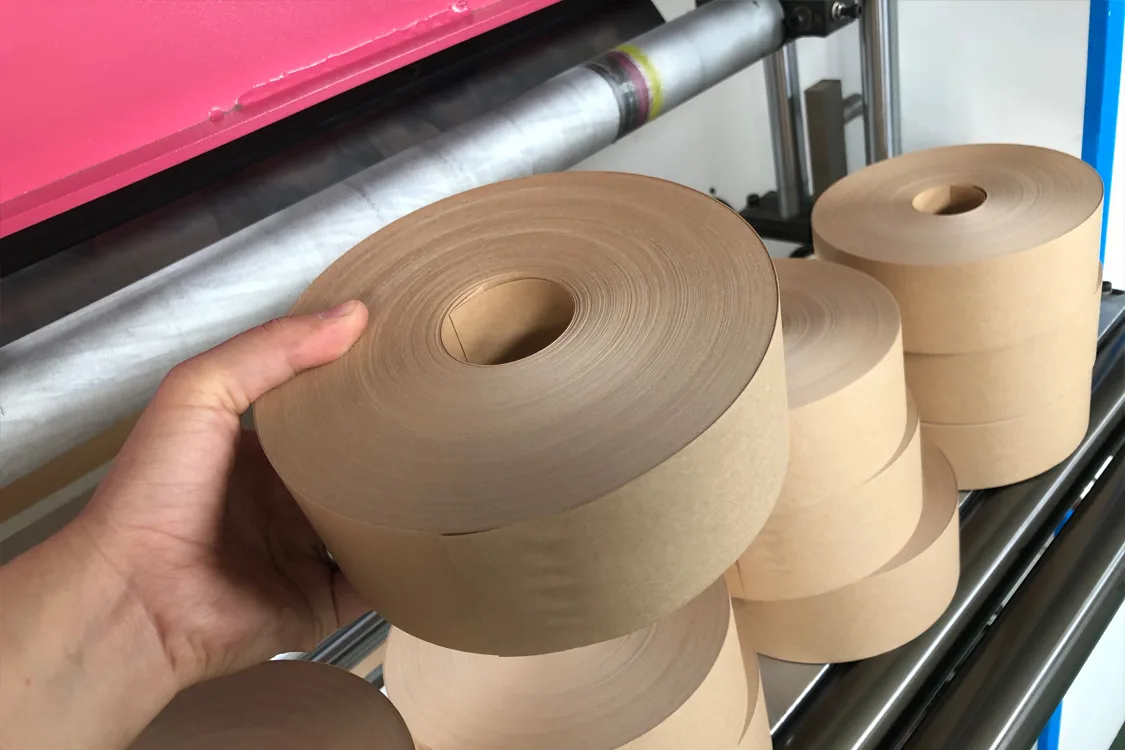
Non-Reinforced Water Activated Tape
Ideal for sealing lightweight and medium-weight corrugated cartons. It is commonly used for e-commerce orders, retail packaging, food products, documents and other shipments that require a clean, paper-based and tamper-evident seal.
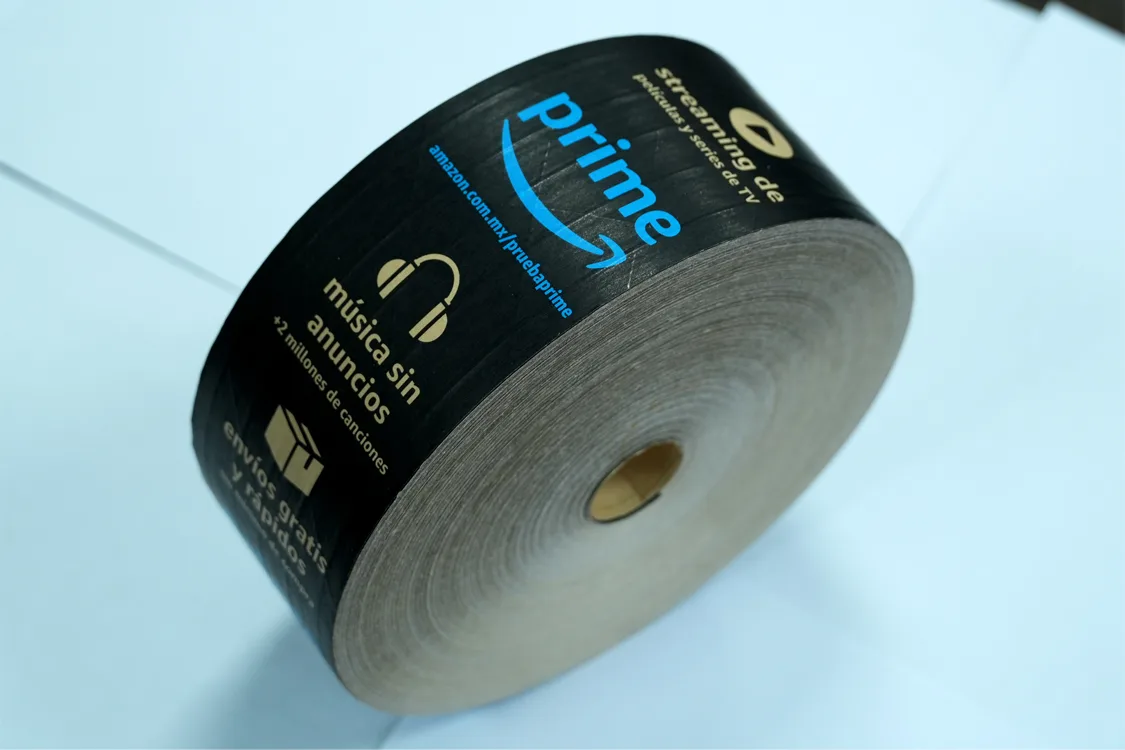
Printed Water Activated Tape
Your data’s safety Combines secure carton sealing with brand communication. Logos, handling instructions, security messages or promotional graphics can be printed directly on the tape, helping companies improve package recognition and create a more professional unboxing experience.is our top priority. Benefit from multi-layered security protocols and advanced encryption that keep your information protected around the clock.
How Is Water Activated Tape Manufactured?
01
Kraft paper unwinding
High-quality kraft paper rolls are unwound under controlled tension to ensure stable material feeding throughout the production process. Consistent tension helps prevent wrinkles, stretching, and alignment issues.
02
Adhesive coating
A starch-based water-activated adhesive is evenly coated onto the kraft paper surface. The coating weight and uniformity directly influence bonding performance and sealing consistency.
03
Fiber reinforcement lamination
For reinforced grades, fiberglass filaments are laminated between kraft paper layers to increase tensile strength and tear resistance. This process produces heavy-duty tape suitable for industrial and export packaging.
04
Drying system
After coating, the adhesive passes through a controlled drying system to remove moisture while maintaining adhesive performance. Proper drying ensures stable storage and reliable water activation during use.
05
Printing (optional)
Flexographic printing can be added for company logos, handling instructions, warning messages, or custom branding. Printed water activated tape also improves package identification and brand visibility.
06
Slitting and rewinding
Large master rolls are precision slit into finished widths and rewound into individual rolls. Accurate tension control and clean slitting help produce smooth roll edges and consistent winding quality.
07
Finished tape rolls
The finished water activated tape rolls are inspected for width, roll appearance, winding quality, and adhesive performance before packaging and shipment to distributors or end users.
Leading Water Activated Tape Manufacturers Worldwide
| Company | Region | Strength |
| 3M | United States | Global adhesive technology leader offering reinforced water-activated tapes for industrial and heavy-duty carton sealing. |
| Intertape Polymer Group (IPG) | North America | Major packaging tape manufacturer with a broad range of reinforced and non-reinforced water-activated tape solutions. |
| Holland Manufacturing | United States | Specialist manufacturer of water-activated tape, reinforced kraft tape, and custom-printed paper tape. |
| Shurtape Technologies | United States | Established packaging tape supplier serving logistics, e-commerce, industrial packaging, and carton-sealing applications. |
| tesa SE | Germany | Strong expertise in adhesive technology, paper-based packaging tape, recyclability, and sustainable packaging development. |
| Nitto Denko | Japan | Advanced adhesive materials manufacturer known for precision coating technology and high-performance industrial tapes. |
| Avery Dennison / Mactac | United States and Europe | Strong experience in pressure-sensitive materials, specialty adhesives, labeling, and paper-based packaging applications. |
| Advance Tapes | United Kingdom and Europe | Specialty tape manufacturer offering paper tapes, printed tapes, and customized solutions for packaging and industrial markets. |
| Apollo Industries | United States | Supplier of gummed paper tape and packaging products, including solutions for carton sealing and tamper-evident packaging. |
| Bagla Group | India | Large tape manufacturer serving export and packaging markets with paper-based, reinforced, and customized adhesive tape products. |
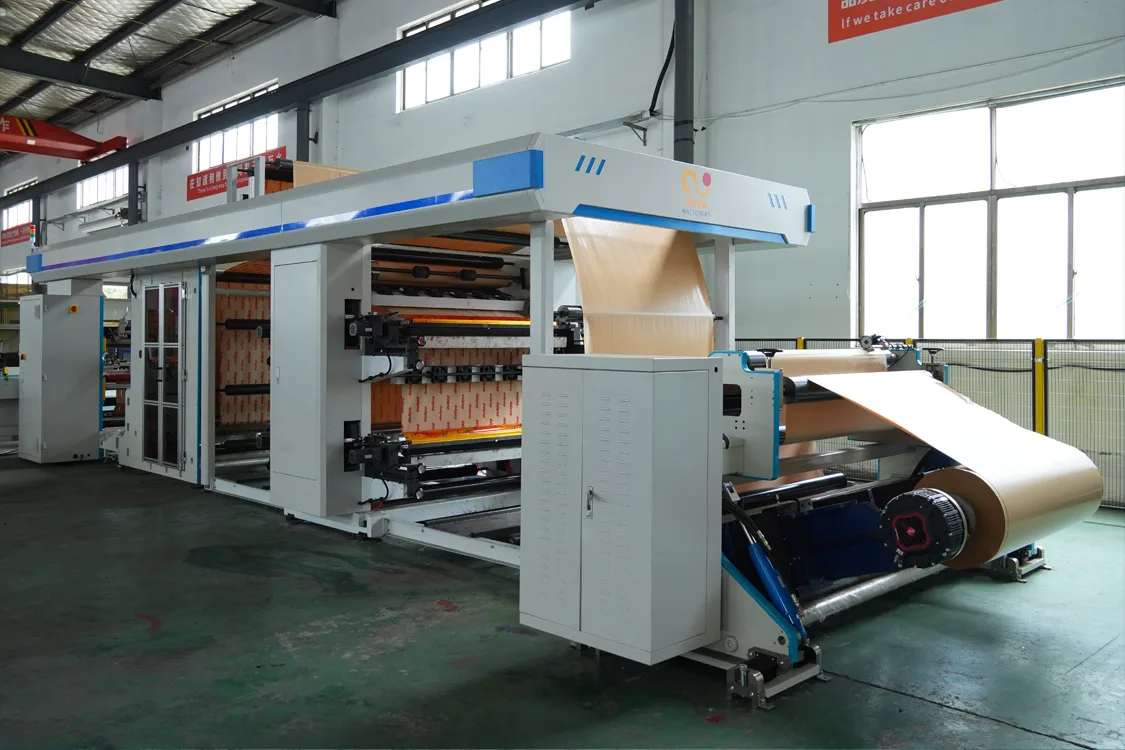
Water Activated Tape Slitter Rewinder M/C Manufacturer
After the adhesive coating and drying process, large jumbo rolls are converted into finished tape rolls through slitting and rewinding. Modern water activated tape slitter rewinders can be integrated with an inline flexographic printing unit, allowing slitting, rewinding, and custom logo printing to be completed in a single roll-to-roll production process. This integrated workflow improves production efficiency, reduces material handling, and delivers consistent roll quality for branded and industrial packaging applications.
Applications of Water Activated Tape
Water activated tape creates a secure, tamper-evident seal for online orders. It is commonly used for corrugated boxes shipped through fulfillment centers and parcel delivery networks.
WAT is suitable for warehouses, third-party logistics operations, and distribution centers that require consistent carton sealing, clear signs of opening, and reliable transport performance.
Reinforced gummed paper tape provides additional tensile strength for heavy cartons, machinery parts, hardware, and other industrial goods exposed to demanding handling conditions.
Water activated kraft tape is widely used for export cartons because it bonds strongly to corrugated board and helps maintain package integrity during long-distance transportation.
Paper-based carton sealing tape can support recyclable packaging strategies for food, household products, cosmetics, and other consumer goods packed in corrugated boxes.
Custom-printed water activated tape can display logos, handling instructions, security messages, or promotional graphics while improving package identification and brand visibility.
Reducing Plastic Waste and Packaging Carbon Footprint
Traditional carton sealing commonly uses plastic-based tapes such as BOPP (biaxially oriented polypropylene) tape and PET tape. These materials create additional plastic waste streams during cardboard recycling because the plastic film and adhesive must often be separated from the paper fiber.
Water activated tape provides a different approach.
Because WAT uses a paper backing and water-activated adhesive, it can generally enter the paper recycling process together with the corrugated carton. This helps reduce the need for plastic tape removal and lowers the amount of plastic packaging material entering waste streams.
How Much Plastic Can Water Activated Tape Replace
Traditional carton sealing commonly uses plastic-based tapes such as BOPP (biaxially oriented polypropylene) tape and PET tape. These materials create additional plastic waste streams during cardboard recycling because the plastic film and adhesive must often be separated from the paper fiber.
Water activated tape provides a different approach.
Because WAT uses a paper backing and water-activated adhesive, it can generally enter the paper recycling process together with the corrugated carton. This helps reduce the need for plastic tape removal and lowers the amount of plastic packaging material entering waste streams.
Replacing conventional plastic carton-sealing tape with water-activated paper tape can eliminate approximately 1.2 kilograms of plastic tape for every 1,000 metres replaced. For a business using one million metres of plastic tape annually, the potential reduction is approximately 1.2 tonnes of plastic packaging waste. Actual results depend on tape dimensions and sealing patterns.
Water-activated tape can replace the plastic film used in conventional BOPP or PVC carton-sealing tape. The exact reduction depends on the plastic tape’s width, thickness and length used per carton.
| Plastic tape replaced | Estimated plastic avoided |
|---|---|
| 1 metre | 1.2 g |
| 1,000 metres | 1.2 kg |
| 100,000 metres | 120 kg |
| 1 million metres | 1.2 tonnes |
For a packaging operation using 10 metres of plastic tape per carton, switching one million cartons to water-activated tape could replace approximately:
12 tonnes of plastic tape
Global Scenario Estimate
Based on the report’s model of 20 billion parcels annually, with 80% using 10 metres of tape:
| WAT adoption rate | Plastic tape replaced annually |
|---|---|
| 10% | 19,200 tonnes |
| 25% | 48,000 tonnes |
| 50% | 96,000 tonnes |
| 100% | 192,000 tonnes |
These are scenario estimates rather than measured global results. Actual plastic reduction should be calculated using the net weight and application length of the plastic tape being replaced.
The Future of Sustainable Gummed Tape
Driving global business growth through innovative solutions and unparalleled expertise.As businesses continue to reduce plastic packaging and improve recyclability, water activated tape (WAT) is expected to play an increasingly important role in the global packaging industry. Growing e-commerce demand, stricter environmental regulations, and corporate sustainability goals are driving manufacturers and logistics companies to adopt paper-based carton sealing solutions.
Future developments are likely to focus on lighter kraft paper, bio-based adhesives, high-speed automated converting, and smart packaging technologies. Combined with advances in coating, printing, slitting, and rewinding, water activated tape will continue to support more efficient and sustainable packaging systems worldwide.
Frequently Asked Questions
Water-activated tape is a kraft paper packaging tape coated with a starch-based adhesive. When moistened, the adhesive bonds with the carton fibres to create a strong, tamper-evident seal.
Non-reinforced water-activated paper tape can generally be recycled with corrugated cartons, subject to local recycling requirements. Reinforced tape may contain fibreglass or synthetic filaments, so its recycling compatibility should be checked separately.
Water-activated tape forms a fibre-tearing bond with the carton rather than simply sticking to its surface. Reinforced grades provide additional tensile and tear resistance, making them suitable for heavier cartons and demanding shipping conditions.
Yes. Water-activated tape can replace BOPP carton-sealing tape in many e-commerce, logistics, retail and industrial packaging applications. The correct grade should be selected according to carton weight, sealing method and transport conditions.
Water-activated tape commonly uses a starch-based adhesive. When moistened, the adhesive penetrates the corrugated surface and bonds with the paper fibres as it dries.
Reinforced kraft tape is made by laminating reinforcing filaments between layers of kraft paper. The tape is then coated with a water-activated adhesive to provide greater tensile and tear resistance.
Water-activated tape rolls are produced using coating, laminating, printing, slitting and rewinding equipment. A water-activated tape slitter rewinder converts wide jumbo rolls into finished rolls of the required width and length.