


No Need To Take Our Word For It.
Tonnes of Plastic Produced (2024)
Plastic production continues to grow, exceeding 500 million tonnes globally.
Tonnes Leaked into Nature Each Year
An estimated 20 million tonnes of plastic end up in rivers, oceans, and land.
Global Recycling Rate
Less than 9% of plastic waste is ever recycled — most is landfilled or burned.
Pollution Is Everywhere
Plastic pollution has reached even the most remote corners of our planet — from city streets and riverbanks to deep ocean trenches and arctic ice. It travels through wind, water, and time, leaving no environment untouched. This invisible crisis threatens wildlife, human health, and the future of our ecosystems. Understanding the scope of the problem is the first step toward sustainable change.
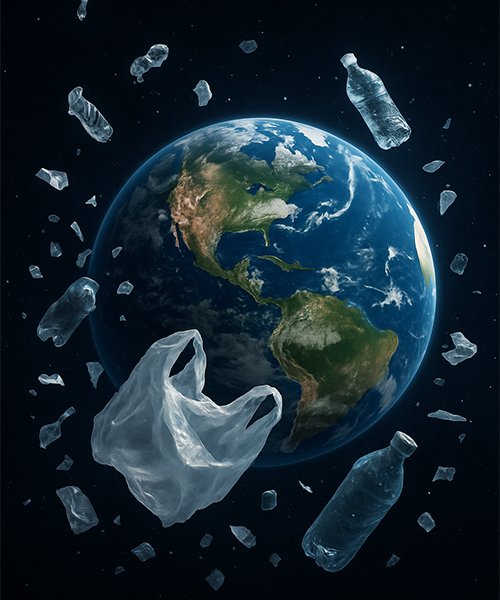
Earth: A Planet Wrapped in Plastic
Our Waste Has No Borders — Not Even in Space
What We Throw Away Is Now Orbiting Our Future
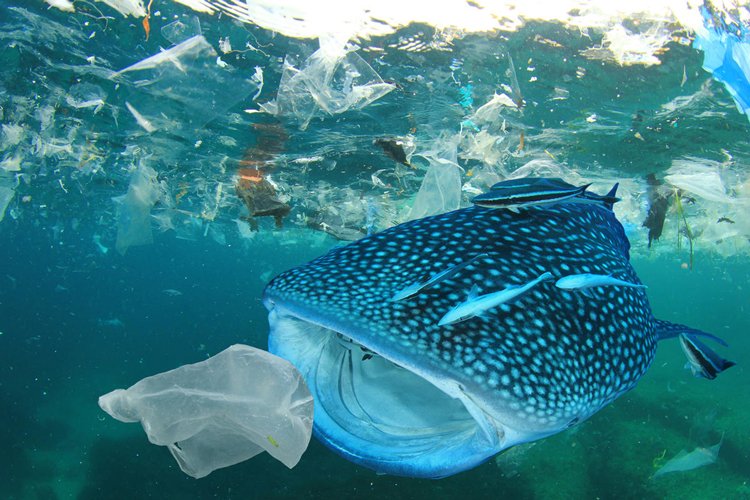
Plastic pollution in the Mediterranean.
When Plastic Replaces Plankton
This Is the Future We Must Prevent
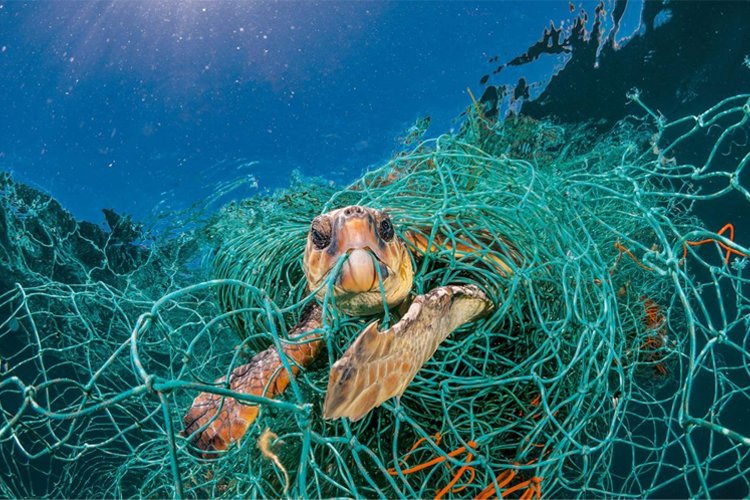
Ghost Nets in Our Oceans
Every Year, 640,000 Tonnes of Fishing Gear Are Abandoned at Sea
For Marine Life, It’s a Death Trap — Not Debris
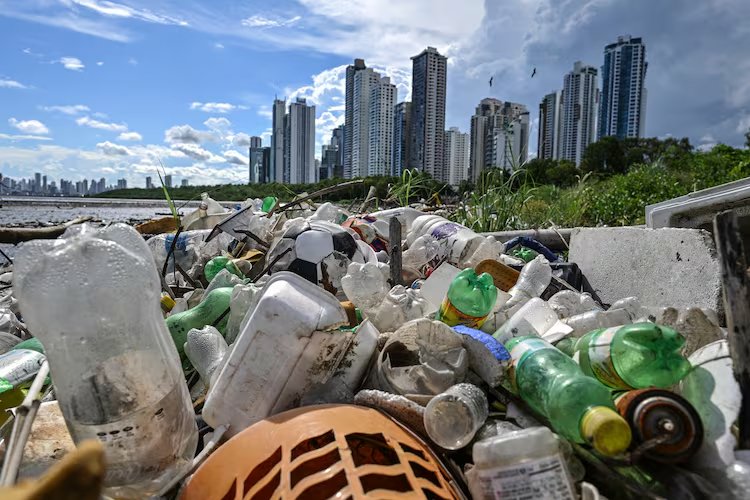
Cities Drowning in Plastic Waste
More Plastic Than Infrastructure — And Growing
Urban Convenience Must Not Cost the Planet
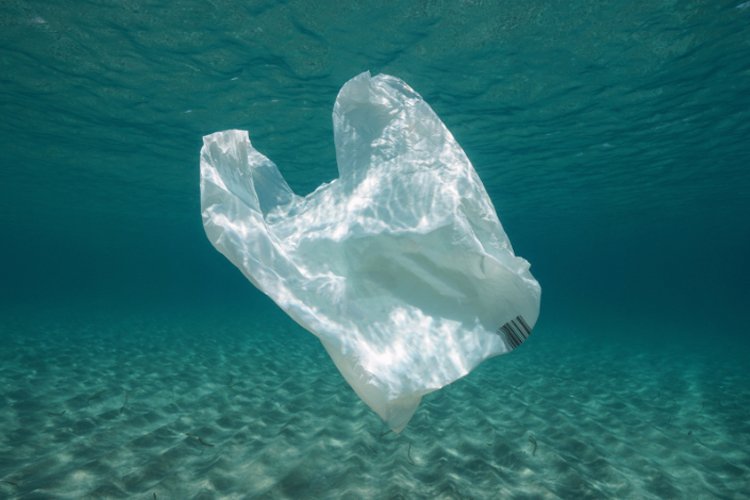
Not a Jellyfish — Just Plastic
Marine Animals Mistake It for Food Every Day
Single-Use Convenience Has Long-Term Consequences

Gummed Paper Tape
A plastic-free alternative made from kraft paper and starch adhesive. It’s recyclable with cartons, offers strong seals, and helps cut tons of plastic in e-commerce and logistics.

Kraft Paper Bag
Durable, biodegradable, and widely recyclable. Kraft paper bags are replacing plastic in retail and food delivery—helping remove thousands of tonnes of plastic annually.
Switched to gummed paper tape—less plastic, better recycling, more efficiency.
Logistics Manager
Global Fulfillment Center
Plastic Saved in 3 Years
Saved per Branch Annually
Plastic-Paper Mailers Replaced
Recyclable with Cardboard
Sustainable Packaging in Action
Paper Bags vs. Plastic: Real Impact by the Numbers
Tonnes of Plastic Bags Removed
Tonnes Saved by Morrisons
Tonnes Cut by Woolworths
2035 Market Value
structure of gummed paper tape
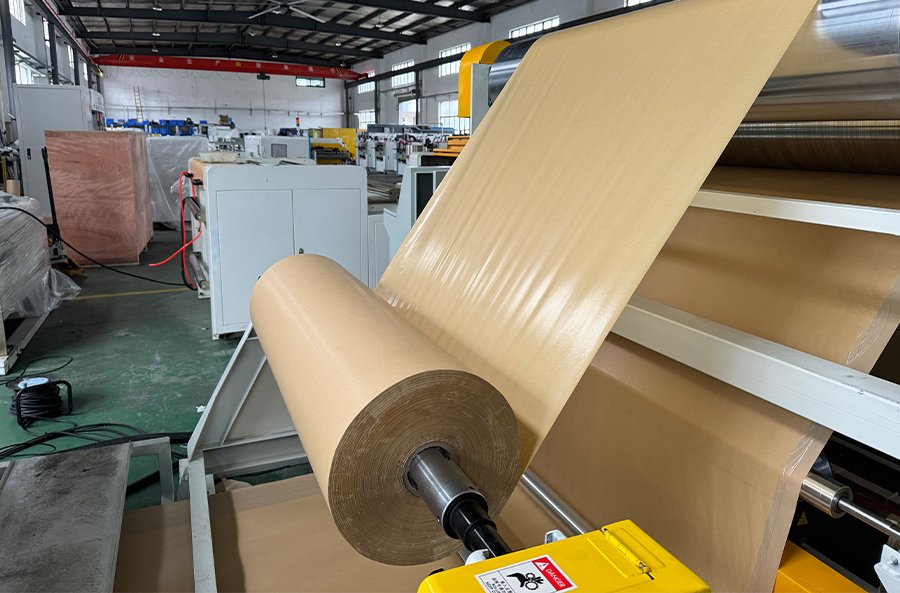
Kraft paper
The base material of gummed paper tape is high-quality kraft paper, typically in 35gsm or 40gsm weight. This lightweight kraft offers excellent porosity and fiber structure, allowing the starch adhesive to penetrate effectively and create a fiber-to-fiber bond. The paper is fully biodegradable, recyclable, and machine-friendly—ideal for smooth coating, slitting, and rewinding in both plain and reinforced tape formats.
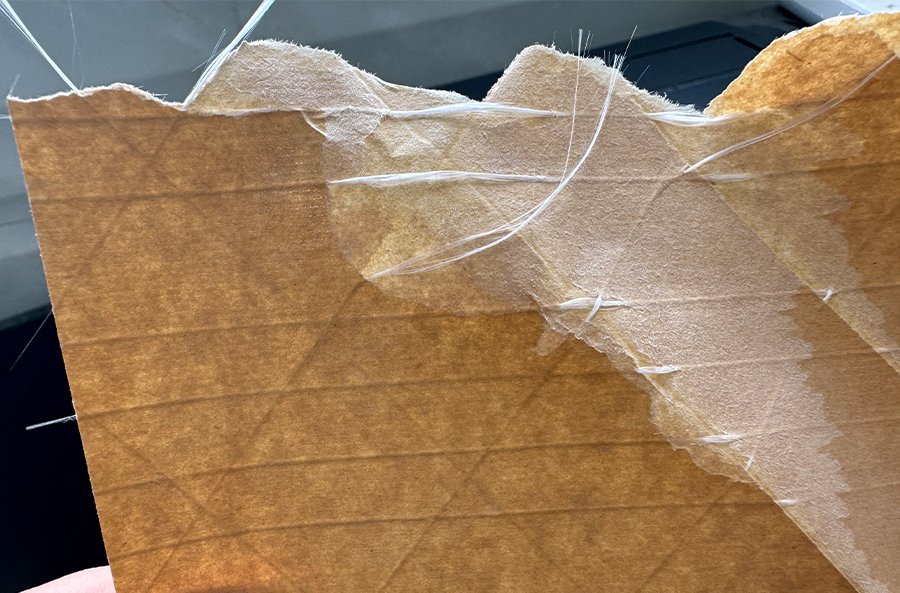
Reinforment(optional)
To enhance the tensile strength and tear resistance of the tape, reinforced gummed paper incorporates fiberglass threads or filaments. These reinforcements are embedded in either a cross (X) or linear (Y) pattern, making the tape ideal for sealing heavy cartons or export packaging. While optional, reinforcement significantly improves durability during transport and storage.
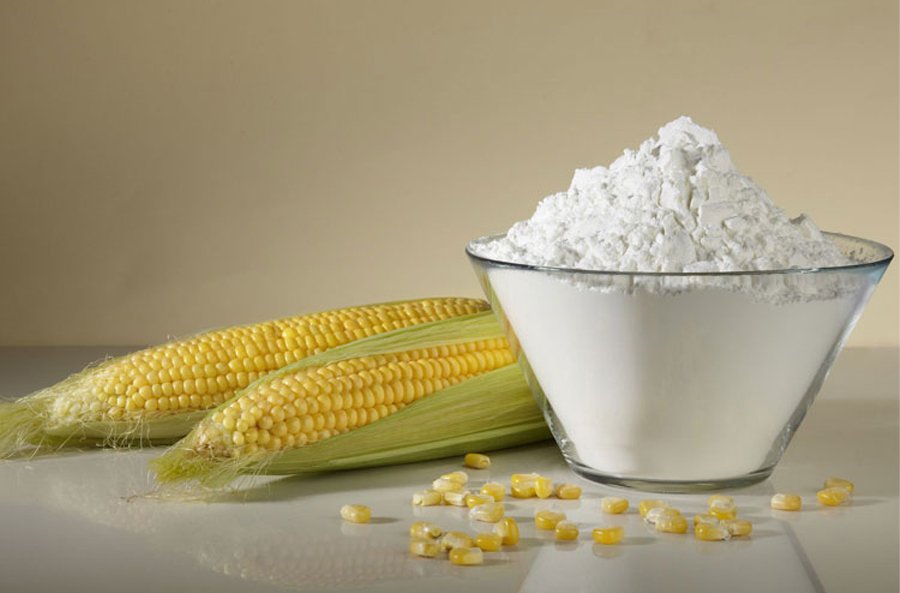
Food Grade Strach
The adhesive layer of gummed paper tape is made from natural, food-grade starch—typically derived from corn or potatoes. This water-activated adhesive ensures strong, tamper-evident bonding while remaining eco-friendly, non-toxic, and safe for use in food packaging applications. Once moistened, the starch forms a permanent bond with corrugated surfaces.
2-step Manufacturing Process
The production of water-activated tape (WAT) generally involves two different base materials and two distinct processing methods:
- For Non-Coated Kraft Paper:
A water-based adhesive is used to bond fiberglass reinforcement to the kraft paper using a laminating machine. This process is commonly used for producing reinforced gummed tape without any plastic or PE coating. - For PE-Coated Kraft Paper:
A hot-melt compounding process is applied to embed fiberglass between the PE-coated kraft paper layers. The hot-melt adhesive ensures firm bonding and improved moisture resistance.
After either method, the final laminated paper—whether reinforced or plain—undergoes starch adhesive coating using a specialized coating machine. This step applies the water-activated glue that enables the tape to bond to corrugated boxes when moistened.

WAT Manufacturing process

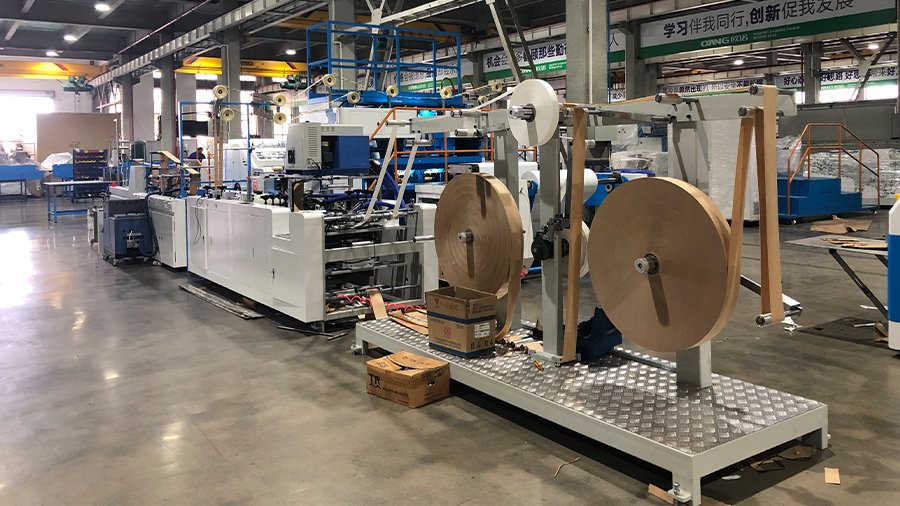
kraft paper bag
Kraft paper bags are eco-friendly, durable, and recyclable alternatives to single-use plastic bags. Widely used in retail, food delivery, and packaging, these bags have become symbols of responsible consumption. With growing global bans on plastic bags, kraft paper bags are now essential for businesses seeking sustainable packaging solutions.
Made from wood pulp through the kraft process, these bags are strong, customizable, and biodegradable—making them ideal for both brand marketing and environmental protection.
Find a Jota partner near you and join the movement for a cleaner planet. Our global network makes eco-packaging accessible wherever you are.
Got questions about eco-friendly machines or starting a green business? Let’s connect — we’re here to support your journey to profit with purpose.
Partner with Jota to build a smarter, cleaner packaging business. Together, we can reduce plastic waste and turn sustainability into your next big opportunity.