
What Is the Thermal Paper Industry
The thermal paper industry involves the production and conversion of heat-sensitive paper used in receipt printing, labeling, ticketing, and medical imaging. It includes manufacturers of thermal paper jumbo rolls, coating chemical suppliers, and converting machine makers that slit, rewind, and package paper rolls for POS, ATM, and kiosk applications.

Thermal Paper Products in our Daily life
From receipts to medical charts, thermal paper quietly powers daily transactions and data printing across industries. It’s reliable, efficient, and built for today’s fast-paced world.
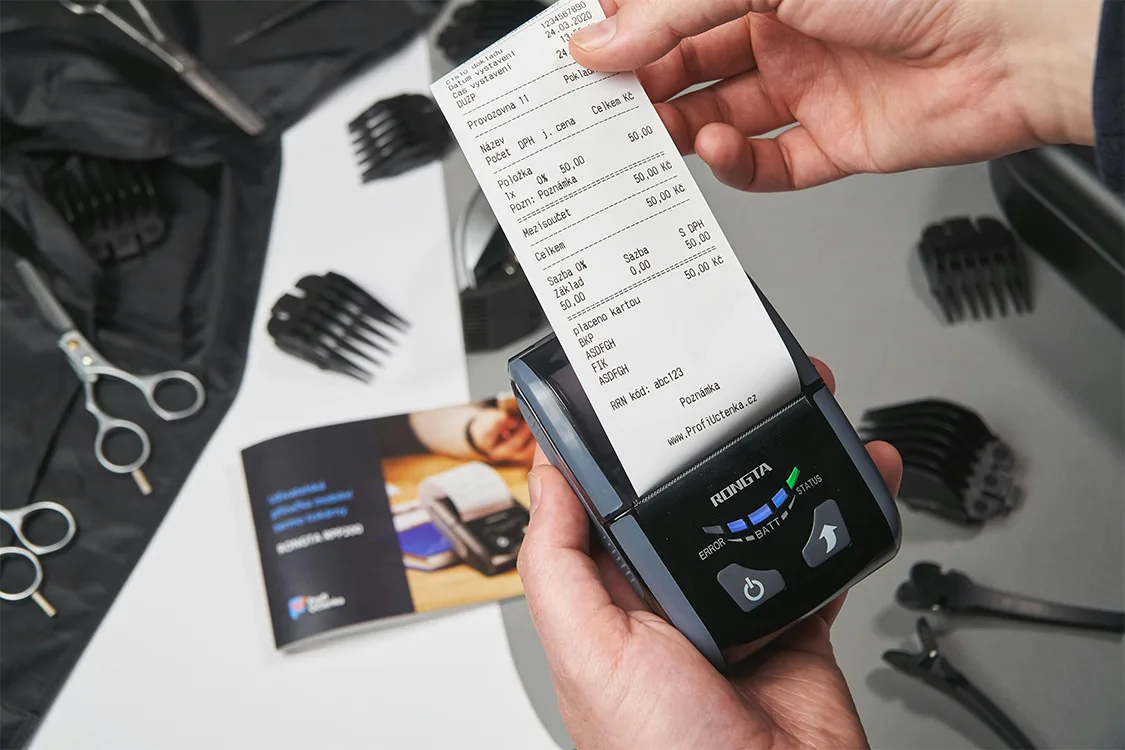
01
Thermal paper plays a crucial role in modern retail operations. From supermarket checkouts to restaurant POS terminals, it ensures fast, reliable, and ink-free printing for receipts and transaction records. The high sensitivity of the paper allows for crisp text and barcodes, while its smooth surface helps extend printer life — keeping operations efficient and customers satisfied.
02
In the financial sector, precision and reliability are essential. Thermal paper rolls are used in ATMs, credit card machines, and teller systems for printing clear deposit slips and transaction summaries. Their resistance to smudging and fading makes them ideal for long-term record keeping. Jota Machinery’s precision slitting technology ensures uniform roll tension and smooth feeding, reducing paper jams in high-traffic banking environments.

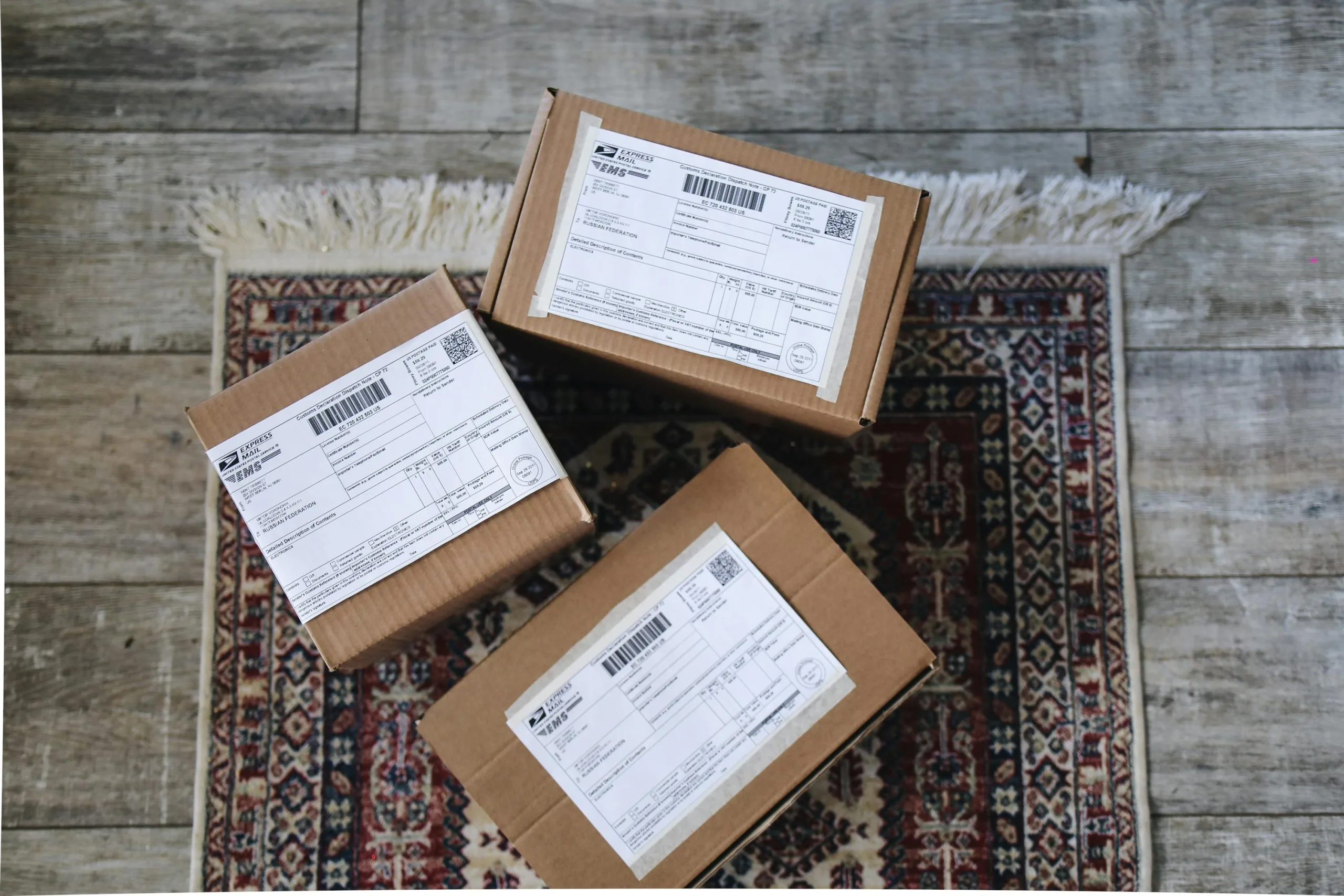
03
Thermal paper is widely used in shipping labels, courier invoices, toll tickets, and boarding passes. These applications demand fast, durable printing that can withstand handling, friction, and variable temperatures. High-grade thermal paper provides excellent barcode legibility, which is critical for real-time tracking in logistics. Our slitter rewinders help converters produce rolls with consistent width and edge quality, ensuring flawless automated label printing.
More Than Just Receipts — Thermal Paper Everywhere
Thermal paper is used across countless industries — from retail and banking to healthcare, logistics, and public services. Its applications extend far beyond receipts, lottery tickets, and medical records, powering daily transactions and critical data printing worldwide.
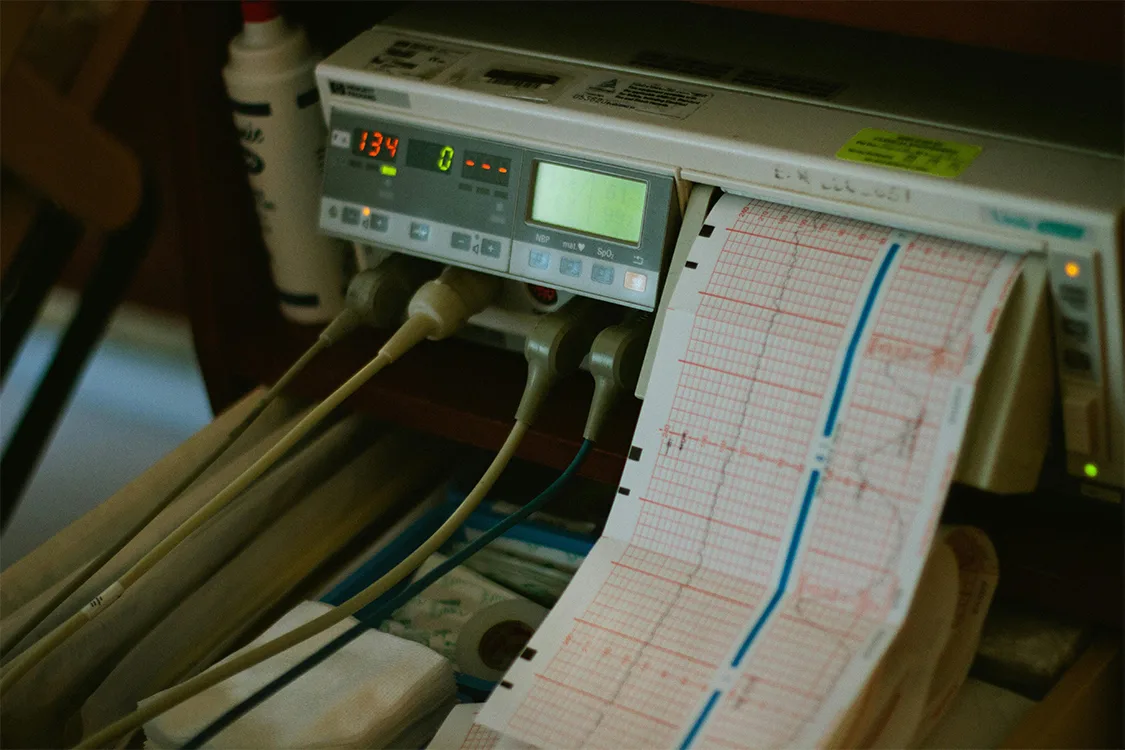
Healthcare & Medical Devices
Hospitals and clinics rely on thermal paper for ECG/EKG charts, ultrasound reports, and medical labeling. The fine chemical coating on medical-grade paper delivers high contrast images necessary for accurate diagnostics. Jota’s precision slitting and rewinding machines maintain clean edges and stable tension, which is vital for delicate thermal films used in medical devices.

Entertainment & Events
From cinema tickets to gaming receipts and lottery rolls, thermal paper enables quick, high-volume printing with excellent image clarity. Its instant imaging capability supports fast transactions and provides a professional, durable print that resists moisture and light. With inline flexographic printing, branding or security elements such as logos and serial codes can be added directly during production.

Industrial & Manufacturing
In factory environments, thermal paper is used for barcode labels, process identification tags, and real-time production tracking. These labels must resist heat, oil, and abrasion. By combining Jota’s high-tension slitting control and robust rewinding design, manufacturers can produce durable rolls optimized for high-speed label printers used on automated packaging lines.
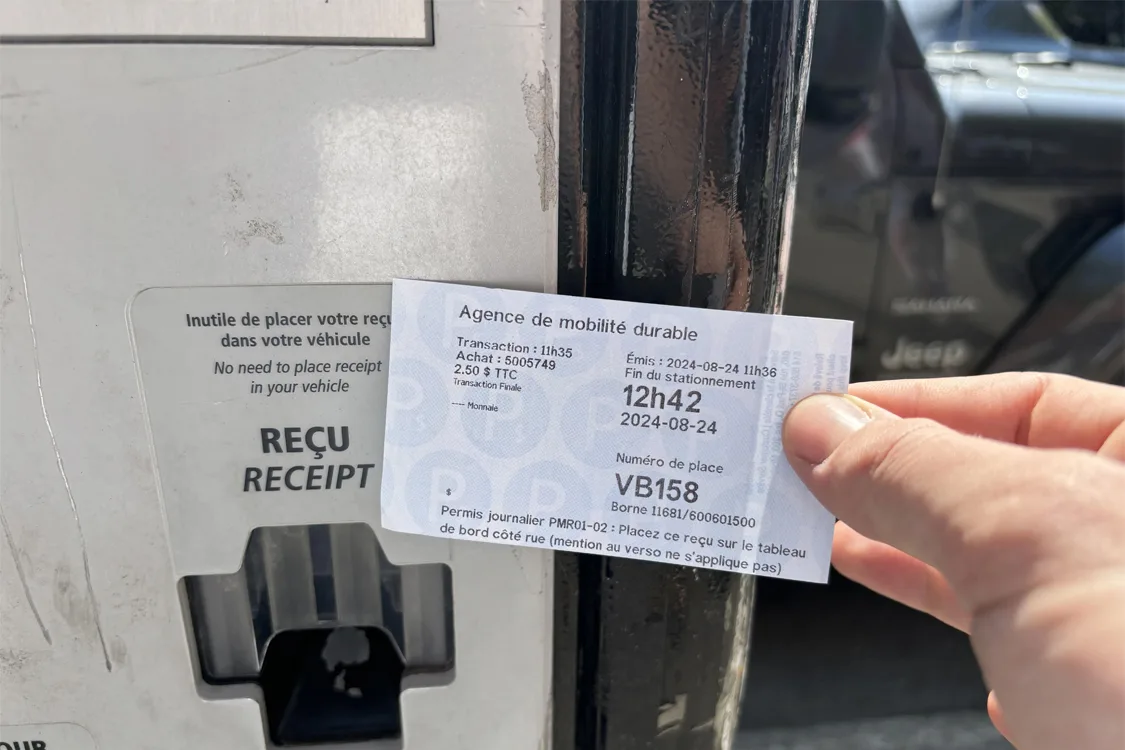
Government & Public Services
Thermal paper simplifies operations in parking meters, tax offices, and public kiosks, where reliability and speed are key. Receipts and permits printed on thermal rolls provide instant verification without ink maintenance. Our slitter rewinders support large-scale production of these specialized rolls, meeting strict government specifications.
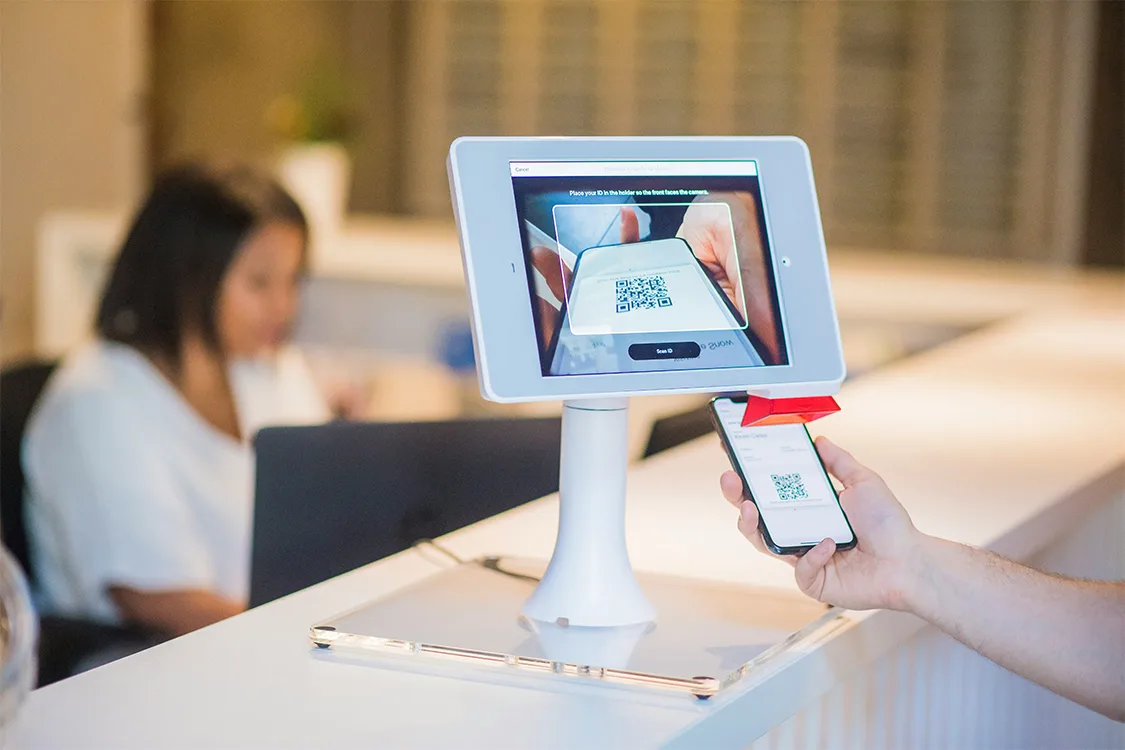
Self-service kiosks, vending machines, and ticket dispensers rely heavily on compact, maintenance-free thermal printers. The smooth, consistent winding of Jota’s rolls ensures uninterrupted operation — a must for 24-hour machines installed in transportation hubs or retail centers.
Heat Meets Innovation
How Thermal Printing Works
Thermal printing works by applying controlled heat from a print head onto heat-sensitive thermal paper. The coating on the paper reacts to heat, producing sharp black or colored images without using ink or toner.
This process ensures fast, quiet, and reliable printing, making it ideal for receipts, shipping labels, tickets, and medical records.

Slitter Rewinder for making thermal paper rolls
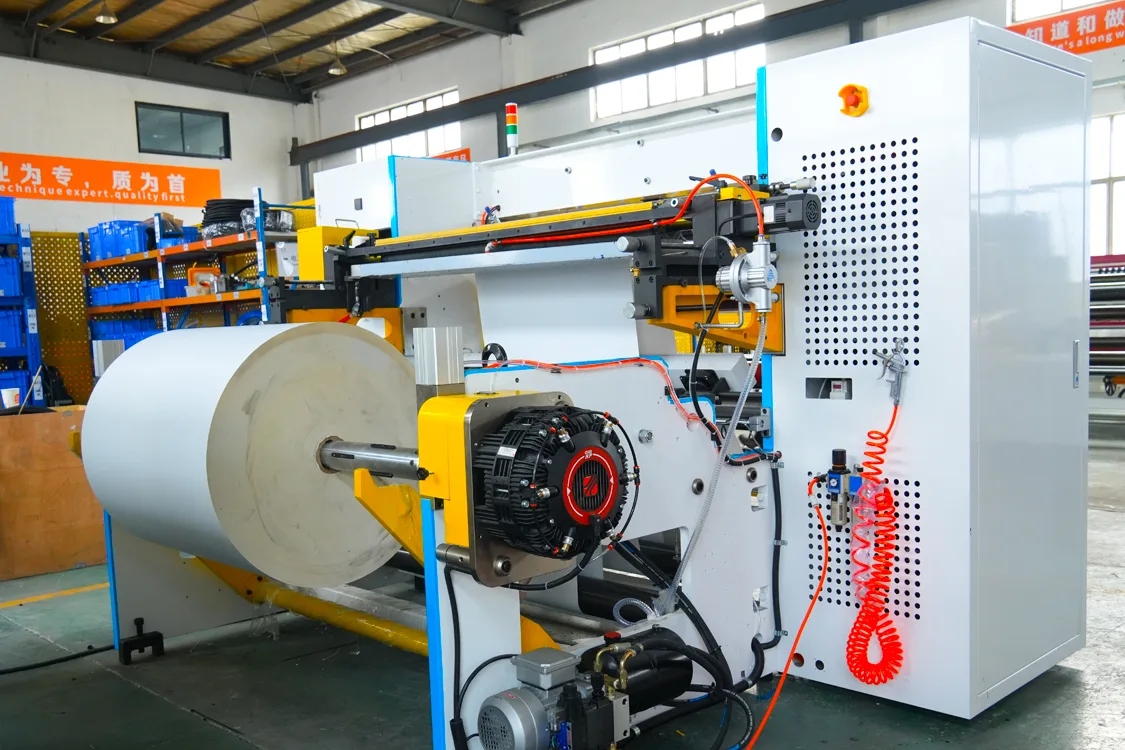
Ideal for small-scale or customized printing projects, this model integrates inline flexographic printing with high-speed slitting. It can produce up to 20,000 thermal paper rolls in just 8 hours, offering efficient, compact, and flexible performance for converters seeking productivity and quality at a smaller scale.

Engineered for mass production and large-scale converters, this fully automatic line is the preferred solution for paper mills and high-volume manufacturers. It automates every stage — core loading, slitting, rewinding, and packaging — ensuring stable operation, minimal labor, and maximum production efficiency.
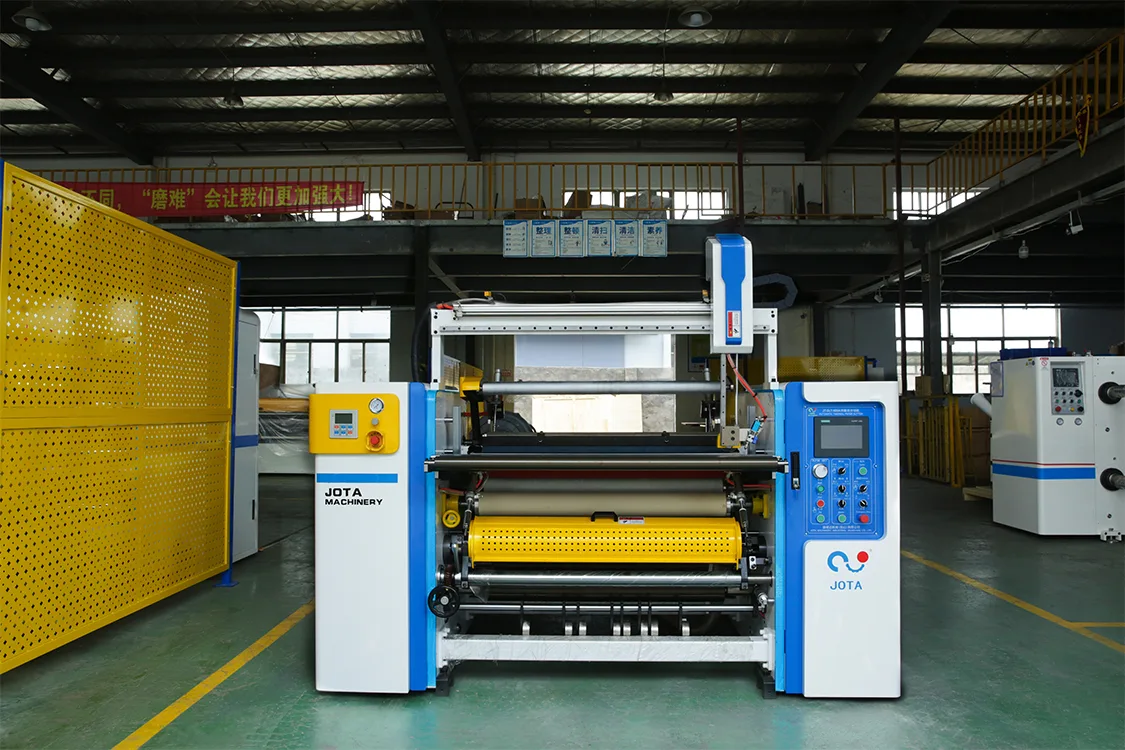
The perfect entry-level model for newcomers entering the thermal paper roll business. Compact, affordable, and easy to operate, the 900A provides professional-grade results with minimal training, enabling first-time investors to start production quickly and build a sustainable business foundation.
Thermal Paper FAQ — Everything You Need to Know
Find clear answers to the most common questions about thermal paper rolls, printing, and applications. From lifespan to printer compatibility, we help you understand every detail of the thermal paper industry.
A thermal roll is coated with a special heat-sensitive layer that reacts to a printer’s thermal head, producing images without ink or ribbons.
A regular paper roll, by contrast, requires ink, toner, or ribbons to print. Thermal rolls are faster, cleaner, and widely used in POS systems, ATMs, and kiosks.
Thermal paper has a chemical coating that darkens when exposed to heat, allowing inkless printing.
Normal paper has no coating and needs external ink or toner. Thermal paper is smoother, brighter, and ideal for high-speed receipt and label printing.
Most high-quality thermal paper can last 5 to 10 years when stored properly—away from heat, humidity, and direct sunlight. Archival-grade thermal paper may last even longer, depending on coating stability and storage conditions.
Thermal paper rolls are used in POS systems, ATMs, receipt printers, ticket dispensers, medical devices, and logistics labeling. They provide quick, smudge-free printing without the need for ink, making them ideal for high-volume transactions.
No. Thermal printers only work with thermal-coated paper. Regular paper won’t react to heat and will produce no image. Using the wrong paper may also damage the printer’s thermal head over time.
No. Thermal paper is single-use. Once printed, the chemical coating has already reacted to heat. Attempting to reuse it will not produce clear images and may even cause printer damage.