


what is flexographic printing
Flexographic printing is a high-speed printing method that uses flexible relief plates to transfer ink onto various substrates such as paper, plastic film, foil, and nonwoven materials. It’s a roll-to-roll process, making it especially suitable for continuous production lines.
This technology is widely used in industries like packaging, labeling, and industrial converting, where large volumes and fast turnaround are required. Flexo presses can print solid colors, fine details, and even variable graphics using water-based or UV inks.
Because it can handle a wide range of materials—including both smooth and slightly textured surfaces—flexographic printing offers great versatility. Its quick setup, low per-unit cost at scale, and adaptability to inline operations make it a preferred choice for modern packaging and label manufacturers worldwide.
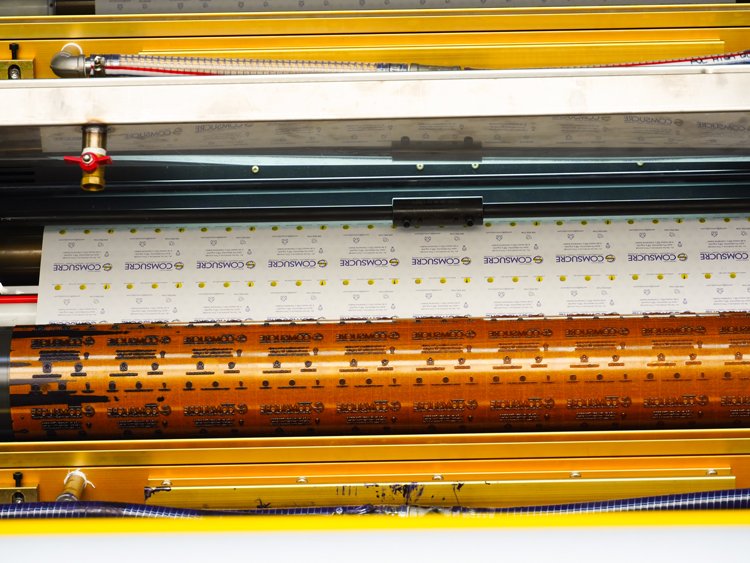
What is the flexographic printing process?

Find the Printing Press Solution in Jota Machinery
Lorem ipsum dolor sit amet, consectetur adipiscing elit. Aliquam quam diam, pulvinar et diam efficitur, laoreet accumsan arcu. Proin sit amet porttitor sapien.

Inline Flexographic Printing Solution
Our inline flexo printing system integrates directly into slitting or converting lines, allowing you to print and process in a single continuous workflow. Ideal for thermal paper rolls, gummed tape, and flexible packaging, this setup saves space, shortens turnaround time, and ensures precise registration between printing and cutting.
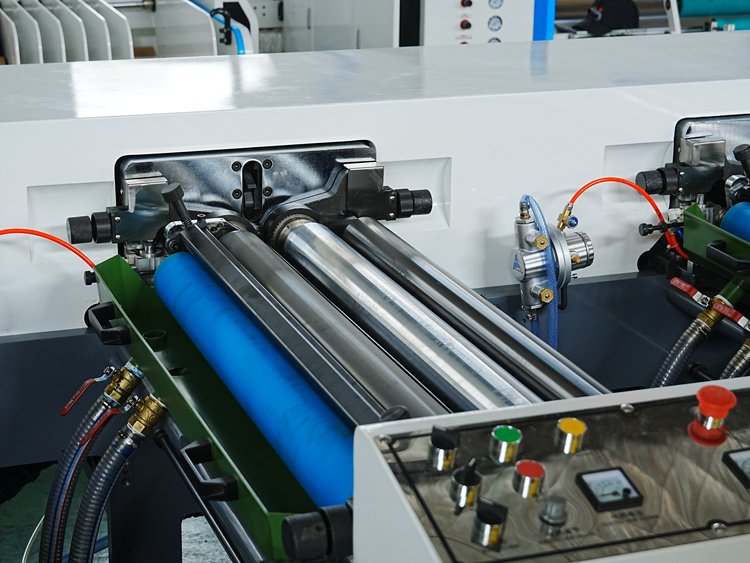
horizontal type printing press
This compact, floor-level press offers stability and precise control for flexographic printing on narrow to medium-width substrates. With easy access to rollers and quick-change plates, it’s suitable for short-run jobs, trial production, or specialized label and paper printing applications.

Stacked Type Printing Press
Designed for multi-color, high-output applications, the stacked flexo press features vertically arranged printing units. It supports larger print areas and consistent pressure, making it ideal for continuous packaging rolls, complex labels, and branding on kraft paper, films, and nonwovens.
Flexographic Printing FAQs: Everything You Need to Know
Flexographic printing is widely used in the packaging industry. It’s commonly found in the production of labels, food packaging, plastic bags, corrugated boxes, paper rolls, and flexible films. Its ability to print on non-porous materials makes it ideal for retail, logistics, and industrial packaging applications.
By 2027, flexographic printing is expected to become more automated, efficient, and sustainable. Advances in water-based inks, sleeve systems, and inline inspection technologies are already reducing waste and improving quality. The industry is shifting toward smart presses that integrate with digital workflows and meet eco-friendly standards.
Digital printing uses toner or inkjet technology to print directly from a file—ideal for short runs and personalized jobs. Flexo printing uses engraved plates and runs on roll-fed materials, making it better for high-volume, repeat jobs. Flexo is more cost-effective at scale, while digital is more agile for small batches.
Flexo printing can be less effective for jobs requiring fine detail or frequent artwork changes. The initial setup involves plate-making, which can add cost and time for short runs. It may also be less suited for highly textured or uneven surfaces compared to digital methods.
Flexographic printing evolved from the letterpress method in the early 20th century. It was first referred to as “aniline printing” due to the type of ink used. In 1952, the term “flexography” was officially adopted. While no single inventor is credited, it was a collective development by printing engineers to meet growing demands for packaging print.
Flexo uses flexible relief plates and is best suited for non-porous substrates like film, foil, and labels. Offset printing transfers ink from a plate to a rubber blanket, then onto flat surfaces like paper. Flexo is roll-based and faster for packaging; offset excels in high-resolution jobs like books or magazines.
NO, 68, Shaojing Rd, Economic Development Zone, Kunshan City, Jiangsu Province, China
We are available online from 8:30 AM to 11:00 PM (GMT) to assist with your inquiries.
We are seeking local agents to enhance our service delivery and align with our enterprise strategy.
Contact Our Team!
Thank you for visiting our website and taking an interest in the our products. We’re looking forward to connecting with you and discussing more about how we can help.

Company address
No 68, Shaojing Road, Economic Development Zone, Kunshan City, Suzhou, Jiangsu Province, China

Email Address

Contact Number
