
What is a label stock?
Label stock is the foundational material from which all labels are made. It defines a label’s strength, appearance, and printing behavior.
In essence, it is a layered composite—typically a printable face stock, an adhesive layer, and a liner or release coating.
From paper-based rolls to synthetic films and linerless options, each type is engineered to balance print clarity, adhesion, and sustainability.
Understanding label stock is essential for anyone working with modern packaging, logistics, or product identification systems.

Explore Two Core Thermal Printing Technologies
Smarter Labels, Cleaner Production
Thermal labels simplify the printing process—no ink, no toner, just heat and precision.
By reducing material use and maintenance, they create faster, cleaner, and more sustainable workflows for logistics, retail, and manufacturing.
Jota Machinery helps you transition to efficient and eco-ready labeling systems.
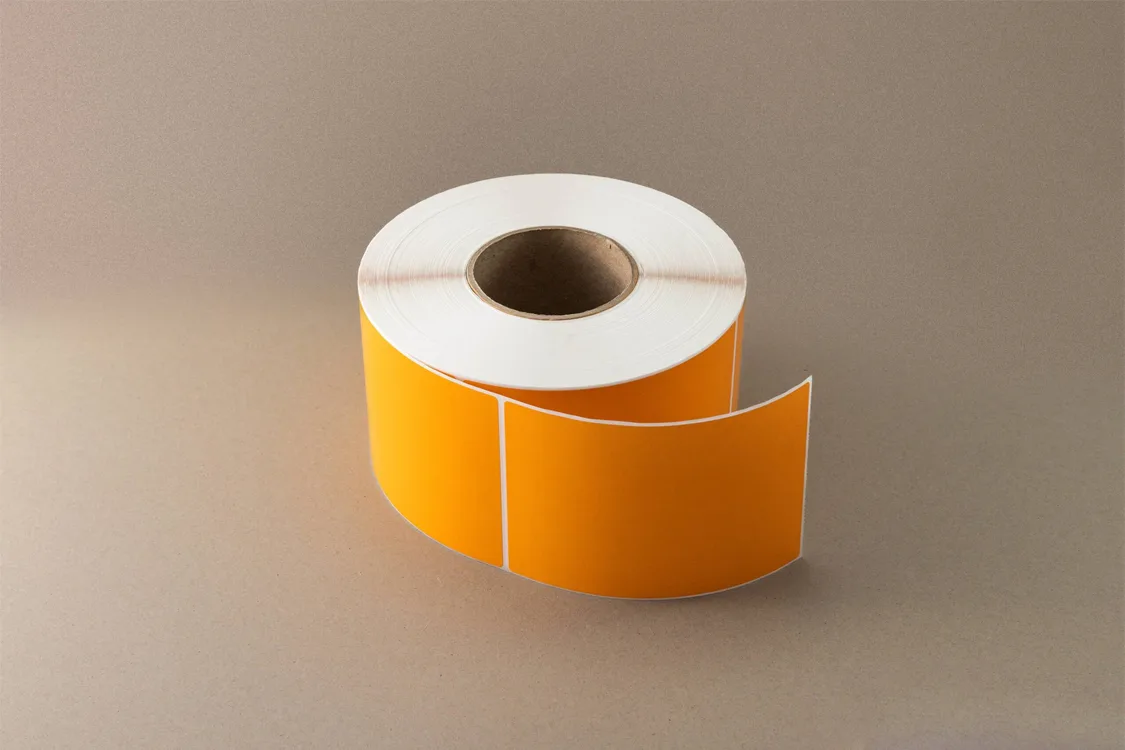
Direct Thermal Labels
Direct thermal labels use a heat-sensitive coating to create images without ink or ribbon. Ideal for short-term applications such as shipping, POS, and logistics where fast, cost-efficient printing is essential.

Thermal Transfer Labels
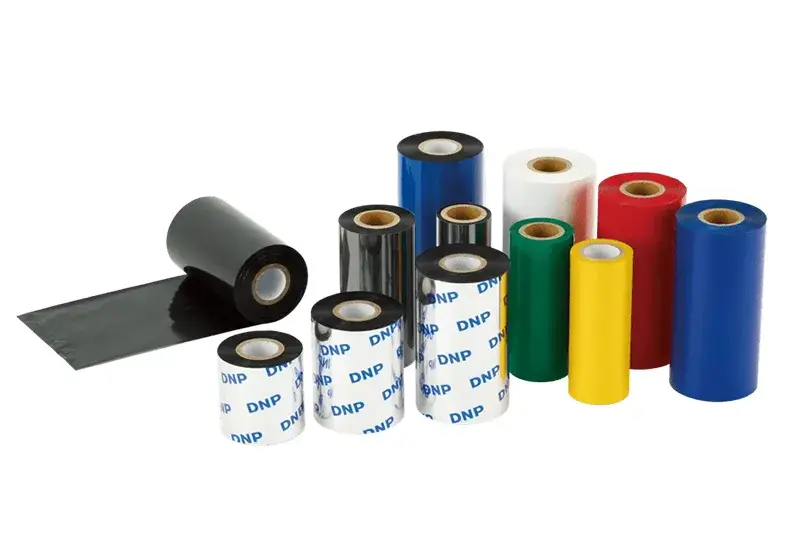
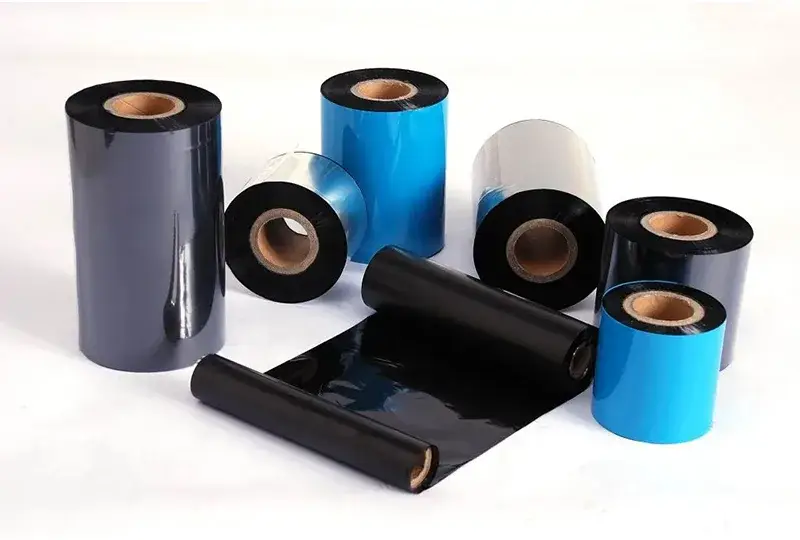
Thermal transfer labels use an ink ribbon to produce durable, long-lasting prints that resist heat, moisture, and chemicals—perfect for industrial, medical, and asset tracking applications.
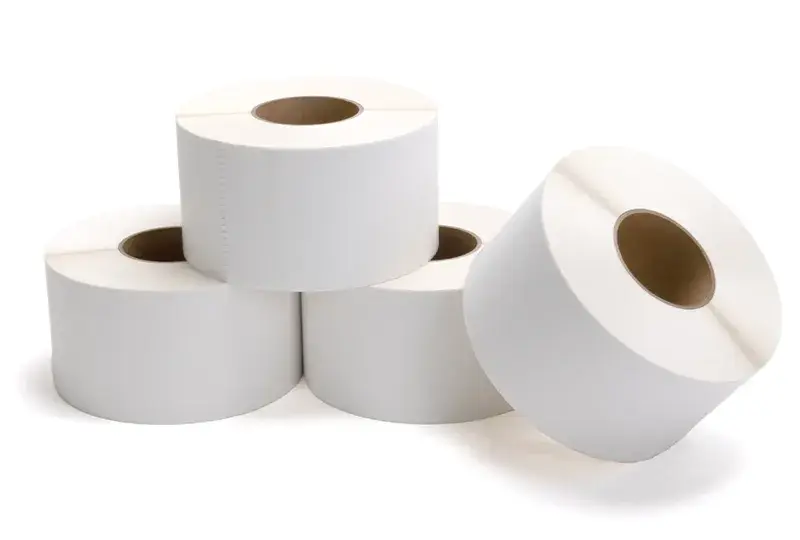
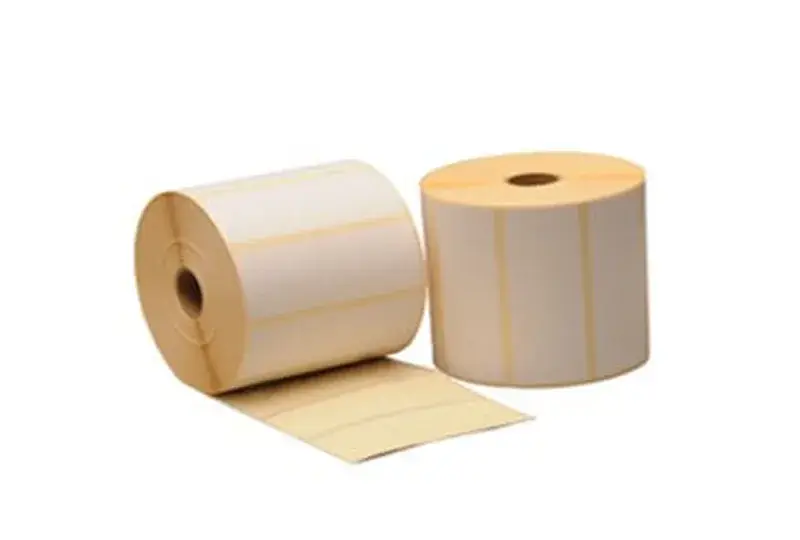

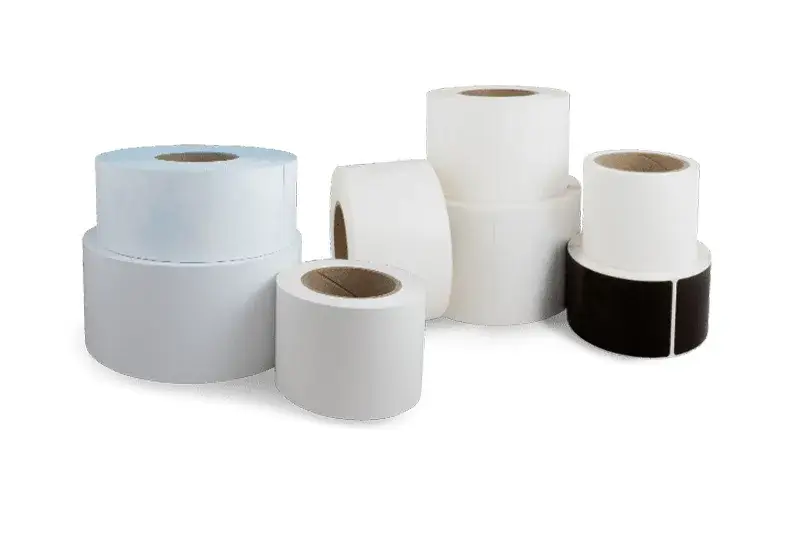
Understanding Thermal Label Materials
Thermal label materials form the foundation of every printed label.
Their composition—whether paper, film, specialty compound, or phenol-free base—determines print clarity, resistance, and environmental impact.
By learning the differences, you can choose the right material for your labeling system and end-use conditions.
Paper-Based Thermal Labels
A versatile and economical choice for retail, logistics, and billing applications. Delivers excellent print clarity for short-term use in everyday environments.
Film-Based Thermal Labels
Crafted from PP or PET film for long-lasting performance. Resistant to tearing, water, and heat, making them ideal for outdoor, freezer, and industrial labeling.
Specialty Thermal Materials
Engineered for unique conditions such as medical, cold chain, or high-temperature production. Combines advanced coatings and adhesives for reliable precision.
Eco-Friendly & Phenol-Free Materials
Made from BPA/BPS-free and recyclable bases, designed to reduce environmental impact without compromising print quality. Perfect for sustainable packaging and POS.
Application Of Label Stocks


Label stocks in food packaging must handle moisture, refrigeration, and compliance.
Paper or BOPP facestocks with acrylic adhesives ensure durability for bottles, jars, and pouches.


How are labels manufactured?
01
Material Preparation
The label manufacturing process begins with careful selection of face stock, adhesive, and liner materials.
Depending on the final application, materials such as paper, BOPP, PET film, or synthetic facestock are paired with acrylic, hot-melt, or rubber-based adhesives to ensure proper adhesion under varying temperatures and surfaces.
The liner—typically silicone-coated paper or PET film—serves as the carrier that protects the adhesive and ensures smooth release during die cutting and application.
02
Coating & Lamination
In this stage, adhesive is uniformly coated onto the liner and laminated with the face stock under precise web tension control to prevent wrinkles or air bubbles.
Optional topcoats or varnishes can be added to enhance ink anchorage, moisture resistance, or UV protection, depending on the label’s end use.
This process ensures a stable bond between layers and prepares the label stock for high-quality printing and finishing.
03
Printing
Once the laminate is ready, designs and barcodes are printed directly onto the face stock using flexographic, digital, or thermal-transfer printing systems.
Advanced servo-driven presses maintain perfect color registration, consistency, and alignment at high speeds.
Depending on customer requirements, the printed web can proceed to die cutting, slitting, and rewinding, producing finished rolls ready for labeling lines or automated applicators.
04
Die-Cutting & Matrix Removal
A rotary die-cutting cylinder precisely cuts through the label layers without piercing the liner, maintaining material integrity.
After cutting, the waste matrix (the excess surrounding material) is automatically peeled away, leaving clean, accurately shaped labels ready for application or rewinding.
This step defines the final label shape—whether circular, rectangular, or custom—ensuring alignment for high-speed dispensing.
05
Slitting & Rewinding
After die-cutting, wide jumbo rolls are slit into narrower finished widths—typically ranging from 40 mm to 1,000 mm—using high-precision slitter-rewinder machines.
Consistent tension control and edge alignment prevent telescoping, adhesive bleed, or core deformation during winding.
This process transforms large master rolls into smaller, user-ready rolls for printers, applicators, or downstream converters.
06
Inspection & Packaging
Each roll undergoes vision inspection using cameras or strobe lighting systems that verify print registration, color consistency, and die-cut precision.
Only rolls meeting quality standards are approved for shipment. They are moisture-barrier wrapped and securely packaged to prevent damage or contamination.
The finished label rolls are then dispatched to printers, brand owners, or packaging lines, completing the label manufacturing cycle.
From jumbo roll to finished label, precision converting ensures accuracy, efficiency, and consistency in every production stage.


How Label Stock Becomes the Labels You See Every Day

Label Stock Roll Slitter Rewinder
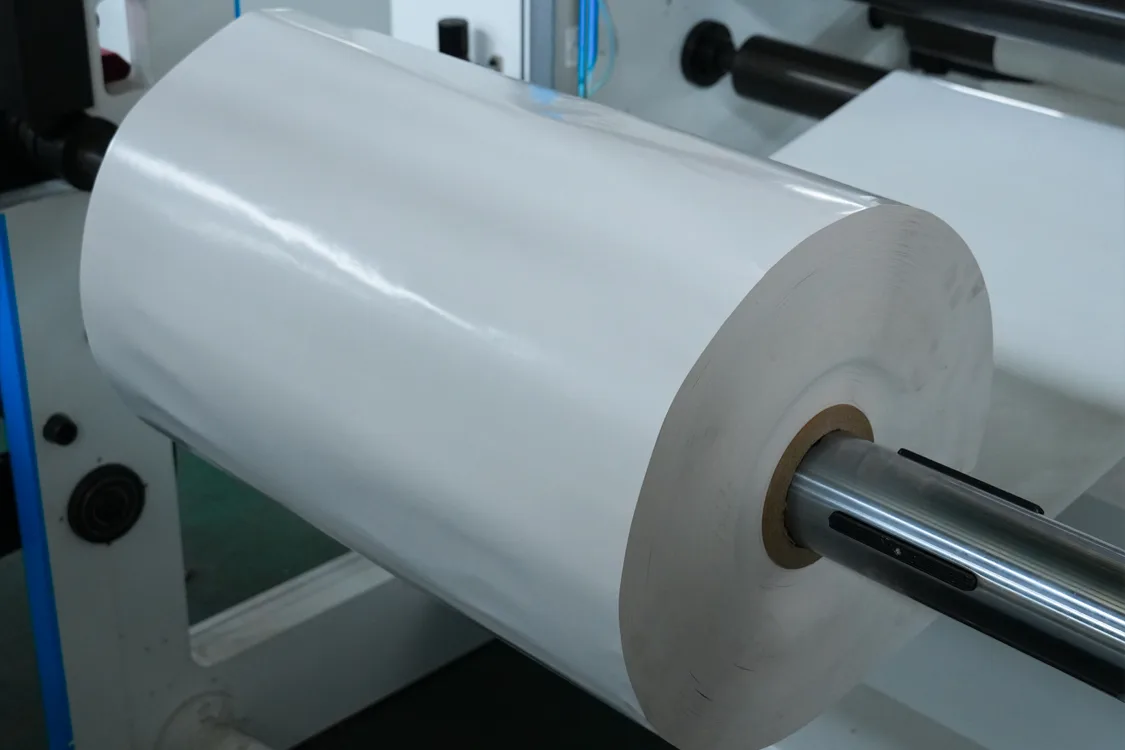
Label stock rolls are precisely slit into narrower rolls for coating, printing, or labeling applications.
Our advanced slitter rewinders maintain tight tension control and clean edges, ensuring smooth downstream production and high print consistency.

Flexographic Printing Press
Flexographic printing transfers ink onto label stock using flexible relief plates, making it ideal for large-scale, continuous runs.
It supports water-based or UV inks, delivering vivid colors and durability on both paper and film substrates.

Die Cutting Machine
After printing, the label stock passes through precision die-cutting, where blades or rotary tools shape each label.
This process defines the label’s final form — from simple rectangles to intricate designs — ready for peeling or automatic dispensing.
Sustainable Solution: Linerless Label
Linerless label technology eliminates the need for release liners, reducing raw material usage and cutting carbon emissions by up to 50%.
Using pressure-sensitive adhesive coatings and heat-resistant facestocks, this system increases label yield per roll, minimizes storage and transport costs, and simplifies waste handling.
Its eco-efficient design supports both environmental goals and production efficiency, making it the preferred choice for modern packaging, retail, and logistics labeling.
Frequently Asked Questions
Find clear answers to common questions about label stock materials, printing processes, and converting technology.
Label stock is composed of three main layers: facestock, adhesive, and release liner.
The release liner protects the adhesive until application, typically made of silicone-coated paper or PET film.
Together, these layers determine the label’s printability, durability, and performance in different environments.
The facestock is the visible surface—made of paper, film, or synthetic materials—that carries the printed information.
The adhesive binds the label to its surface and varies by application (permanent, removable, or repositionable).
A thermal label is a heat-sensitive label that prints without ink. It uses a special coating that reacts to the heat from a thermal printhead to create images or text.
There are two types:
Thermal Transfer Labels – use a ribbon to transfer ink; suited for long-term or outdoor labeling.
Thermal labels are popular in POS, logistics, warehousing, and barcode tracking.
Direct Thermal Labels – no ribbon needed; ideal for short-term receipts and shipping labels.
Linerless labeling is an eco-friendly technology that eliminates the release liner by applying a special silicone coating on the label’s printable surface.
This design:
Cuts carbon emissions during transport.
It is widely used in retail scales, logistics, and food delivery packaging for its sustainability and cost-saving benefits.
Reduces material waste and landfill impact,
Increases label roll capacity by 40–50%,
Label stock serves as the base material for producing labels used in packaging, logistics, retail, and industrial applications. It ensures:
Resistance to heat, moisture, and abrasion.
By choosing the right label stock, manufacturers can enhance branding, traceability, and sustainability across production lines.
High-quality printing and barcode readability,
Consistent adhesion on various substrates,
Label stock is the general term for the raw material used to make labels of any kind—paper, film, or foil.
Thermal labels are a specific type of label stock coated with heat-reactive chemicals, designed exclusively for thermal printers.
In short, all thermal labels are label stock, but not all label stock is thermal.
Lined labels include a backing liner that protects the adhesive until the label is peeled and applied. They are suitable for high-speed automated labeling lines.
Linerless labels have no liner and are wound directly on a roll with a silicone release coating. They are more sustainable and efficient for variable print systems.
Both serve different production needs: lined for precision automation, linerless for sustainability and flexibility.