

Arno Ren
Commissioning Engineer, JOTA MACHINERY
Arno Ren is the trusted link between Jota’s machines and our customers worldwide. With more than a decade of frontline experience, he has traveled extensively to install, debug, and optimize slitting and rewinding machines under real production conditions. His clear process—from mechanical checks to high-speed trials—ensures every delivery is not only shipped, but fully production-ready.
Known for his steady problem-solving and practical field knowledge, Arno adapts each machine to local materials and operator needs. He believes commissioning is not just technical—it’s a responsibility. Each adjustment, each training session, and each startup reflects his philosophy: machines must earn customer trust through performance.
For Arno, it’s about discipline, teamwork, and delivering machines that run flawlessly from factory floor to customer site—without compromise.
The Human Side of Service: Arno Ren’s Role at Jota Machinery
In the world of industrial machinery—where performance depends on precise setup, accurate testing, and reliable operation—Arno Ren brings something more: commitment and trust.
As Commissioning Engineer at Jota Machinery, Arno has spent years traveling to customer sites across the globe, ensuring that every machine leaving the factory is fine-tuned for real production. From mechanical alignment to rewinding stability, his careful adjustments transform complex equipment into dependable tools that businesses can rely on from day one.
For Arno, commissioning is never just about technical parameters—it is about responsibility. He guides operators patiently, adapts machines to local conditions, and treats every project as if his name were engraved on it. In his philosophy, service is not finished until the customer feels confident and production runs smoothly.
The Three Roles of a Commissioning Engineer

Factory Commissioning
Before any machine leaves Jota’s factory, Arno personally oversees debugging and trial runs. From mechanical alignment to tension stability, he ensures every system is fully tested and production-ready, giving customers confidence from day one.
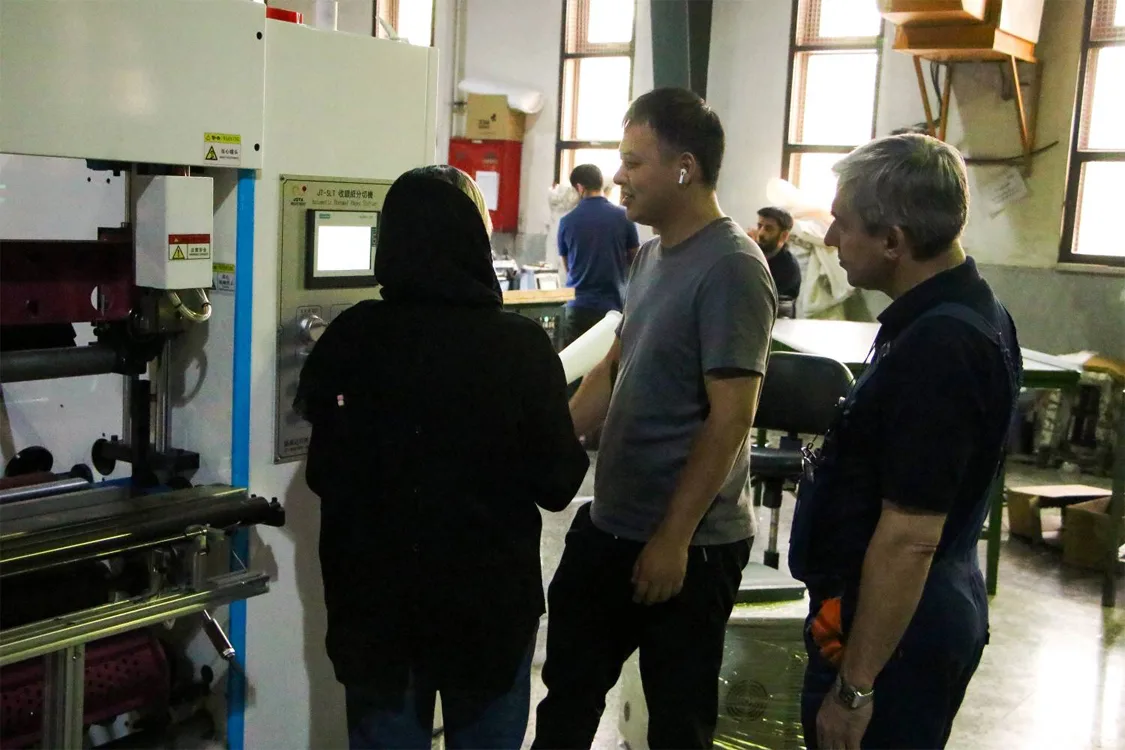
Global Service in Action
When an issue cannot be solved online, Arno is the one who boards the plane. With hands-on expertise and calm troubleshooting, he adapts machines on-site to local conditions, turning challenges into solutions wherever our customers are.
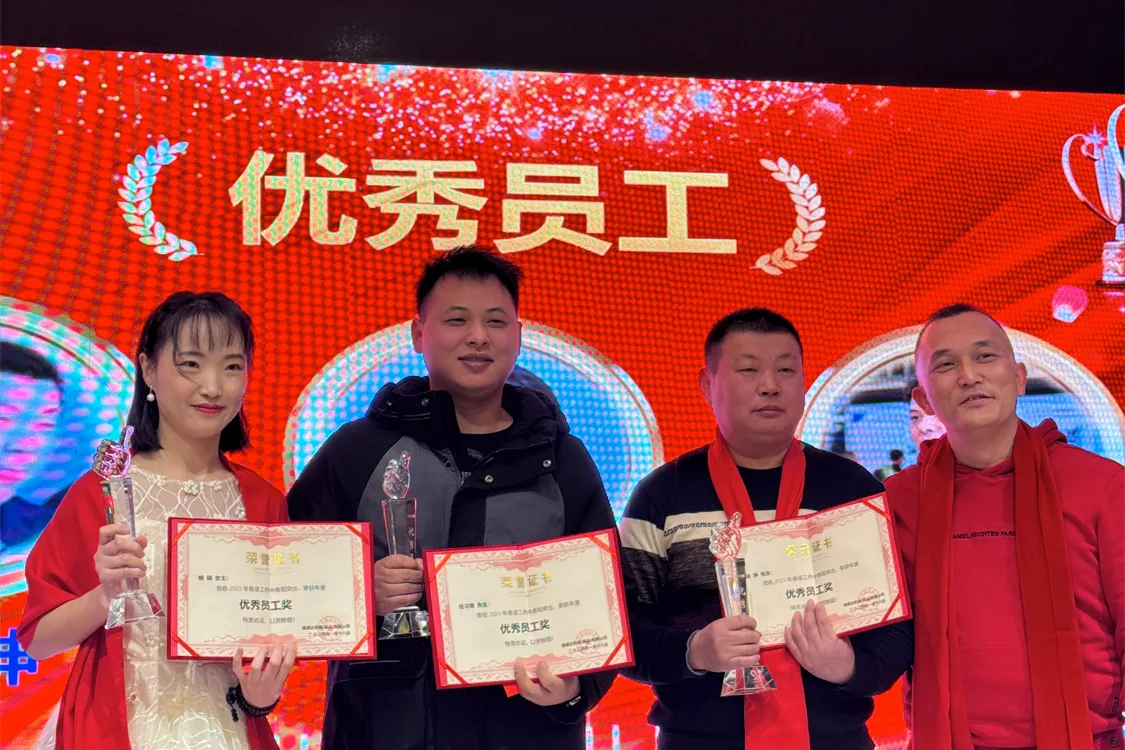
Celebrating Success Together
For Arno, the happiest moments come at the annual gatherings, when hard work throughout the year is recognized. Beyond machines, he values people—sharing achievements, honoring excellence, and building a culture of trust at Jota Machinery.
At Jota Machinery, every machine is more than steel and circuits—it’s a promise that must perform at a customer’s site. Ensuring that promise is fulfilled is the role of Arno Ren, our Commissioning Engineer. With over ten years of field experience, Arno has traveled worldwide to install, debug, and train operators on Jota’s slitting and rewinding machines. His work ensures that each unit leaving the factory is not just delivered, but truly ready for production.
What Drives His Work
For Arno, the motivation comes from knowing that every machine he commissions is the backbone of a customer’s business. “It’s not only about metal and screws—it’s about trust,” he says. Whether he’s adjusting a tension curve in Europe or solving material wrinkling in Turkey, his focus is always on making the machine adapt to local realities and perform flawlessly.
Working Philosophy
Arno’s approach is simple: systematic, disciplined, and customer-focused. His commissioning process always follows the same steps—mechanical check, electrical check, pneumatic systems, empty run, trial run, and then full-speed training. This method ensures reliability and gives operators confidence in running the machine independently.
In the Workshop and on Site
Arno’s role extends from factory floor to client workshops across the globe. On site, he adapts to each challenge—raw material inconsistencies, operator skill levels, and different work cultures. “One setting never fits all,” he explains. His ability to balance technical adjustments with patient operator training makes him not just an engineer, but a trusted partner for clients.
Annual & Cultural Contribution
Beyond technical expertise, Arno contributes to Jota’s culture by mentoring new engineers and sharing field experience. Each year, his dedication is recognized not only in successful projects but also in the confidence he builds with customers. For Arno, every machine commissioned is a shared success story.
Closing Thoughts
Arno Ren represents the human side of Jota Machinery’s global service commitment: skilled hands, calm problem-solving, and a heart that cares about the customer’s success. “Flying anywhere, solving everywhere” is more than a description of his job—it’s the spirit he carries into every project.
Q&A with Arno Ren – Commissioning Engineer
Ideas become machines. Machines become trust.
The first challenge is usually the raw material. Jumbo rolls from different suppliers vary in coating, thickness, and moisture. If the roll is too soft or uneven, it affects tension stability and cutting quality. Before fine-tuning the machine, I always test the client’s actual rolls to understand how they behave. This way, the adjustments we make are based on real production conditions, not just our samples from the factory.
Every client asks this, and the truth is: yes, but only after proper adjustments. Raw materials behave differently—European kraft cores are dense, African cores sometimes have weaker glue, and paper coatings vary worldwide. I adjust the tension curve, EPC sensitivity, and slitting knife pressure to match the local material. That’s why commissioning engineers travel—because one “standard” setting doesn’t work everywhere.
The most common mistake is skipping daily checks. For example, if air pressure for the pneumatic shafts is too low, the blades slip and edges become rough. Poor-quality cores or wrong sizes also cause telescoping rolls. Many operators also forget to clean dust from the knives, which reduces cutting accuracy. Training them to build simple daily habits often prevents bigger problems later.
My debugging always follows a sequence. First, I check all mechanical parts—knives, shafts, and bolts. Then I test the electrical system, making sure the grounding and voltage match. Next, I run an empty test to check EPC, tension sensors, and the banana roller. Only then do I load a jumbo roll, set the cutting width, and run trials. After everything is stable, I train operators at full production speed.
In Turkey, a client’s rolls developed wrinkles whenever they ran above 600 m/min. At first, they thought it was a machine fault. After checking, I found the banana roller angle was too steep, creating uneven web path tension. I reset it to 8°, balanced the tension zones, and the wrinkles disappeared. It was a reminder that small setup details can completely change production quality.
First, I check knife concentricity—if the upper and lower blades aren’t aligned within ±0.02mm, the cut won’t be straight. Second, I check the jumbo roll itself—if it’s wound off-center at the mill, even the best machine can’t fix it. Finally, I review the unwinding tension. If the web dances left and right, the slitting edges won’t be clean. Usually, once we measure and adjust, the client sees the problem is material or setup, not design.
I use a three-step approach. First, I run the machine myself and explain each function clearly. Second, I let operators practice under my supervision, correcting mistakes in real time. Finally, I leave them to produce a batch independently, usually 100 rolls, and only sign off when the quality is stable. To support them after I leave, I also prepare daily checklists in English or their local language.
Never treat a slitter rewinder as “set and forget.” It’s a precision system of mechanics, electronics, and pneumatics, and it needs care every day. Simple habits like cleaning dust, checking blade sharpness, and calibrating tension prevent most failures. I always remind clients to keep at least one spare set of blades and an air shaft bladder in stock. Without those, production can stop completely if something fails.
In developed countries, operators are usually disciplined, follow manuals, and ask about fine details like blade pressure or EPC settings. In developing countries, many operators are new, so my focus is more on basic safety and building habits. For example, wearing gloves, checking air pressure, and monitoring tension sensors. The difference is not capability—it’s just training culture. What stays the same everywhere is respect: I adjust my teaching style to their work culture.
The best moment is when the first perfect roll comes out during training. The client smiles, sometimes even takes a photo with it. In that moment, I know the machine is ready, and the operators are confident. It feels like signing my name on the project, even if my name isn’t on the machine. That connection makes all the travel and long nights worthwhile.